
Air Sealing for Northwest Florida Homes
Cooled air escapes through openings you cannot see. Closing them is what lets the insulation above them actually do its job.
Air Sealing, in Plain Terms
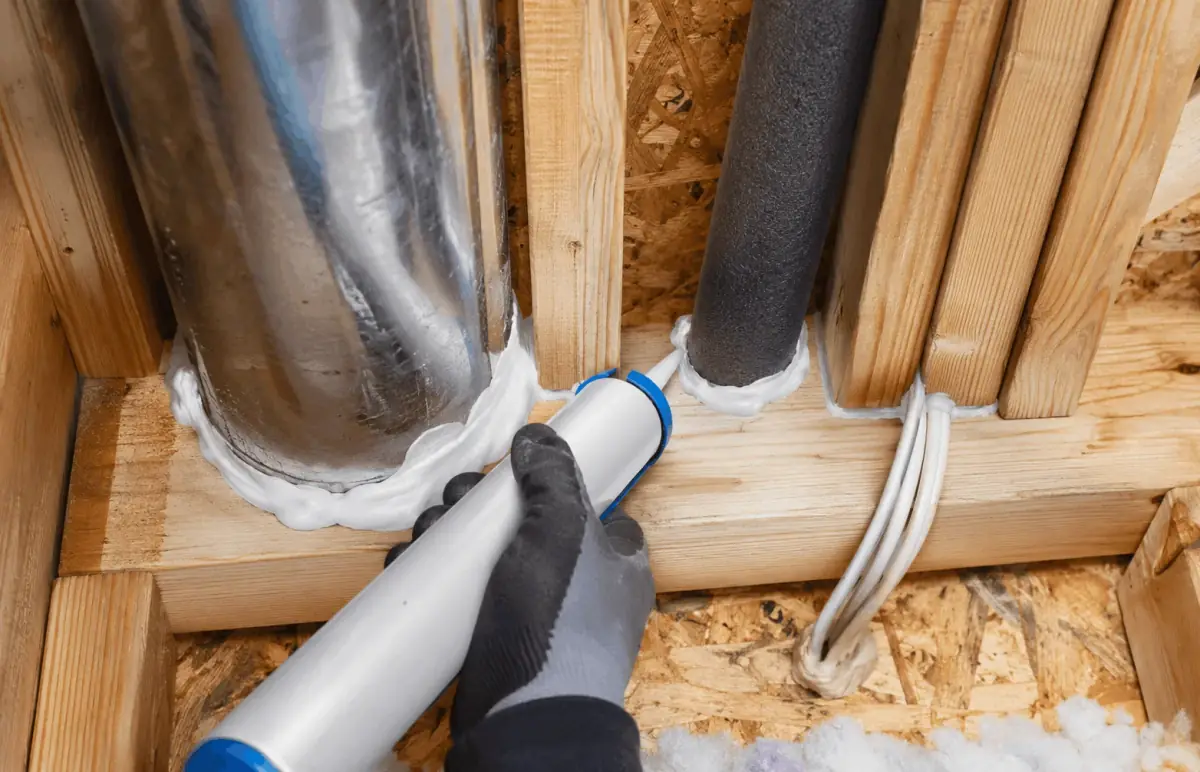
Air sealing means closing the unintended openings in the shell of your house so air stops moving through them. Most of those openings are not dramatic. They are the quarter-inch gap where a plumbing stack passes through the ceiling, the slot around a bathroom fan housing, the open cavity behind a soffit above the kitchen cabinets, the seam where a wall's top plate meets the drywall, the attic hatch that never sat flat. Add them all up and a typical house can have the equivalent of an open window somewhere in the ceiling.
The work happens mostly from the attic side, sometimes from a crawlspace or a garage ceiling, and it is done with caulk, foam, mastic, and rigid material rather than with anything you would notice from your living room.
Why Sealing Comes Before Insulating
Insulation slows heat from conducting through a surface. It does not stop air from traveling. Blown fiberglass and cellulose are both air-permeable, so if you bury an unsealed penetration under twelve inches of new insulation, air keeps right on moving through the gap and through the fiber above it. Sealing first is the difference between insulation that performs close to its rating and insulation that performs well below it. That is the order we work in, and it is the reason a sealing scope often shows up on an attic quote you thought was just about depth.
Humidity Rides Along With Every Leak
Air that leaves your house gets replaced. In the Panhandle, what replaces it is warm outdoor air carrying a lot of water. Your air conditioner then has to pull that water back out before the house feels comfortable, which is why a leaky home can sit at 74 degrees and still feel clammy. Sealing the envelope cuts down on the moisture your AC is asked to remove, and that shows up as air that feels drier at the same thermostat setting. It also keeps humid air away from cool surfaces in the attic and crawlspace, which is where moisture damage tends to start in older homes here.
What You Notice Afterward
Drafts stop at the gap
The moving air you feel near a ceiling or a hallway usually has one or two sources. Close those and it settles down.
Less water for the AC to fight
Every cubic foot of outdoor air you keep out is moisture your system never has to condense and drain away.
Insulation performs closer to its rating
R-values are measured without air moving through the material. Sealing is how you get near that number in a real attic.
Less attic air in your rooms
Air pulled from an attic brings dust, fiber, and pollen with it. Sealing the path cuts down on what arrives.
What Actually Gets Used
Different gaps take different materials, and using the wrong one is how sealing fails a few summers later. Thin joints and trim seams take caulk. Gaps up to an inch or so take canned foam. Larger openings, like an open chase around a plumbing stack, get a rigid piece cut to fit and then foamed at the edges. Duct connections take mastic, not tape, because tape lets go in attic heat. Anything near a flue or a chimney gets metal flashing and fire-rated sealant, never ordinary foam. If we are also insulating, the attic target we work toward is the Department of Energy's R-30 to R-49 range for this climate zone, and the sealing happens first so that depth means something.
Signs That Point Toward Leakage
None of these prove anything on their own. Together they are the pattern we see in houses that turn out to be leaky, and any one of them is reason enough to have someone climb into the attic and check:
- Air you can feel moving near ceilings, vents, or a hallway
- Indoor air that stays clammy even when the AC is keeping up on temperature
- Dust that returns quickly no matter how often you clean
- An attic upgrade that did not deliver what you expected
Now the other side of it. Sealing is not the answer to everything, and we would rather say so before you spend money. If your ducts are leaking into the attic, sealing the ceiling around them helps a little and fixing the ducts helps a lot. If your AC is undersized, failing, or short-cycling, no amount of caulk will cover for it. If one room is hot because it has three exterior walls and a west-facing window, that is a load problem, not a leakage problem. There are also homes we look at that are already reasonably tight, where the honest recommendation is to leave the sealing alone and put the money into attic depth instead. We will tell you which of these you are looking at.
Finding the Leaks, Then Closing Them
This is slow, hands-and-knees work, and most of it happens in an attic in the morning before the heat builds. We find the openings, close each one with the material it calls for, and only then insulate over the top. One thing worth saying out loud: tightening a house changes how it breathes. A home that leaked air everywhere was ventilating itself by accident, badly and expensively, but it was ventilating. As we seal, we pay attention to whether bath and kitchen fans actually vent outside and are being used, and we look carefully at any gas water heater, furnace, or fireplace that draws combustion air from inside the house, because those appliances need a reliable air supply and a working draft. If your home has one, that is part of the conversation before we start, not after.

Get in the Attic
We go up and look. Where the insulation is dark and dirty, air has been moving through it, and that tells us where the openings are.
Write It Down
You get an itemized estimate naming the penetrations and gaps we intend to seal, so you can see what you are paying for.
Seal Each Gap
Caulk, foam, mastic, or rigid material and fire-rated sealant, chosen per opening. Floors and walkways stay covered while we work.
Check How It Breathes
Before we finish, we look at exhaust fans and any combustion appliance so the house still gets air where it is supposed to.
What Moves the Number
Sealing is priced by how much of it there is and how hard it is to reach, which is why we quote it after climbing up rather than over the phone. The things that move it most:
- How many separate openings there turn out to be, which rarely matches how many you would guess
- Whether the scope is the attic plane only, or also rim joists and a crawlspace
- Whether duct connections are mastic-sealed as part of the job
- Whether new insulation follows, since doing both in one visit costs less than two trips
- Headroom and footing, since a low truss attic slows everything down
For a number that applies to your actual house, ask us for a written estimate. It costs nothing and you are not committing to anything. If you would rather read up on ranges first, our guide to insulation costs in Florida covers that ground.

Towns We Seal Homes In
We work out of Wewahitchka and cover homeowners across the Florida Panhandle, South Alabama, and South Georgia. A sample of where we go:
What Sealing Tends to Go With
Attic Insulation
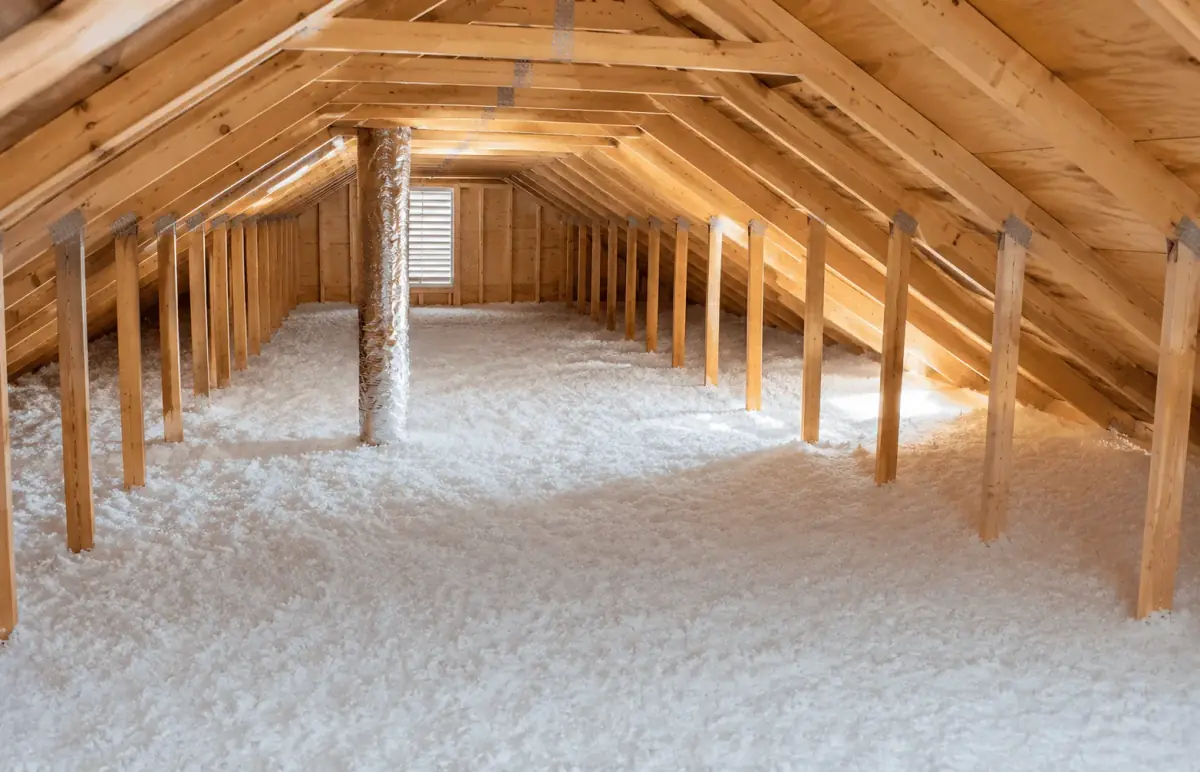
The natural next step once the gaps are closed. Depth over a sealed ceiling is where the comfort actually shows up.
Learn more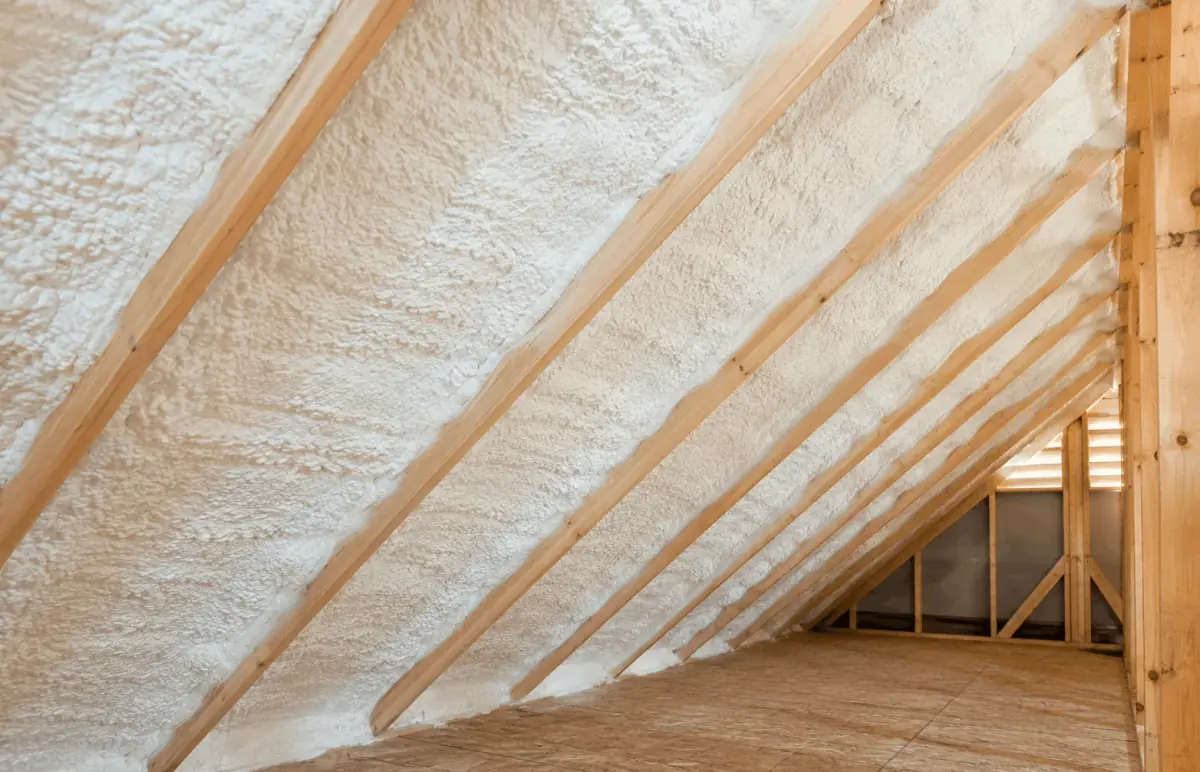
Spray Foam Insulation
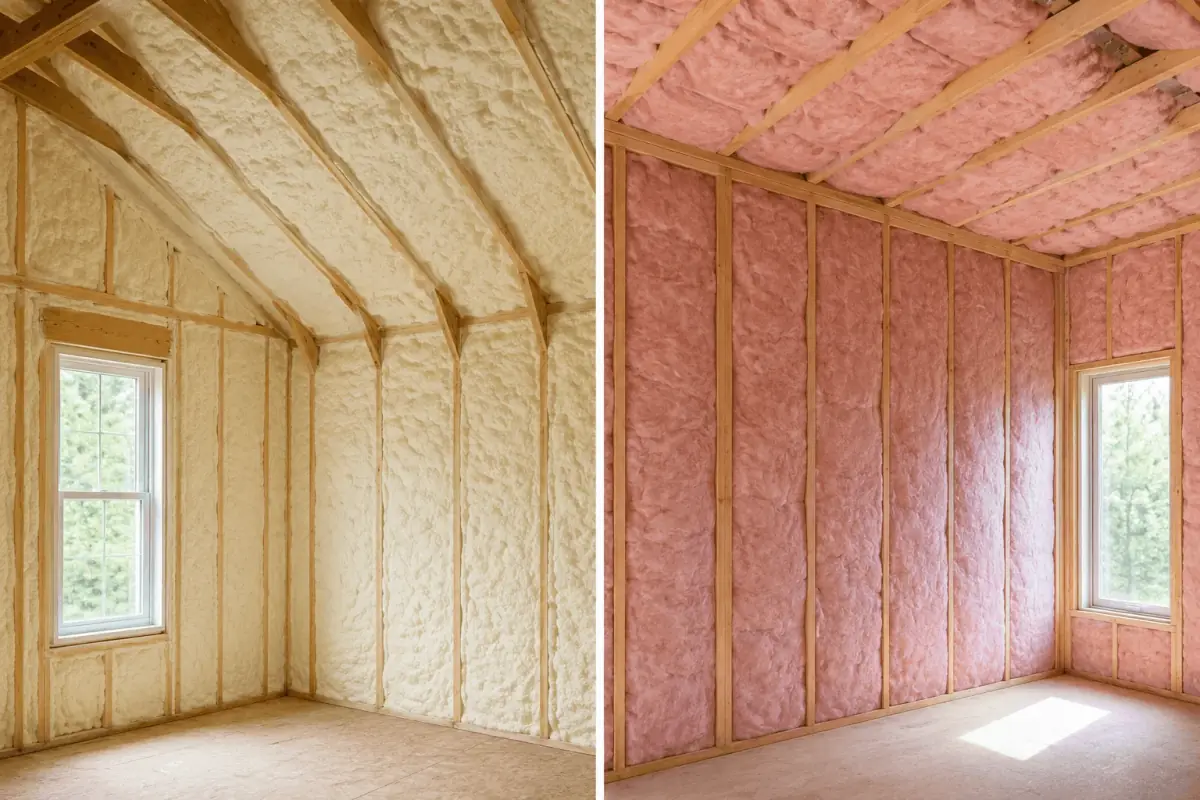
Foam seals and insulates in the same pass, so on some homes it replaces a separate sealing scope rather than adding to one.
Learn more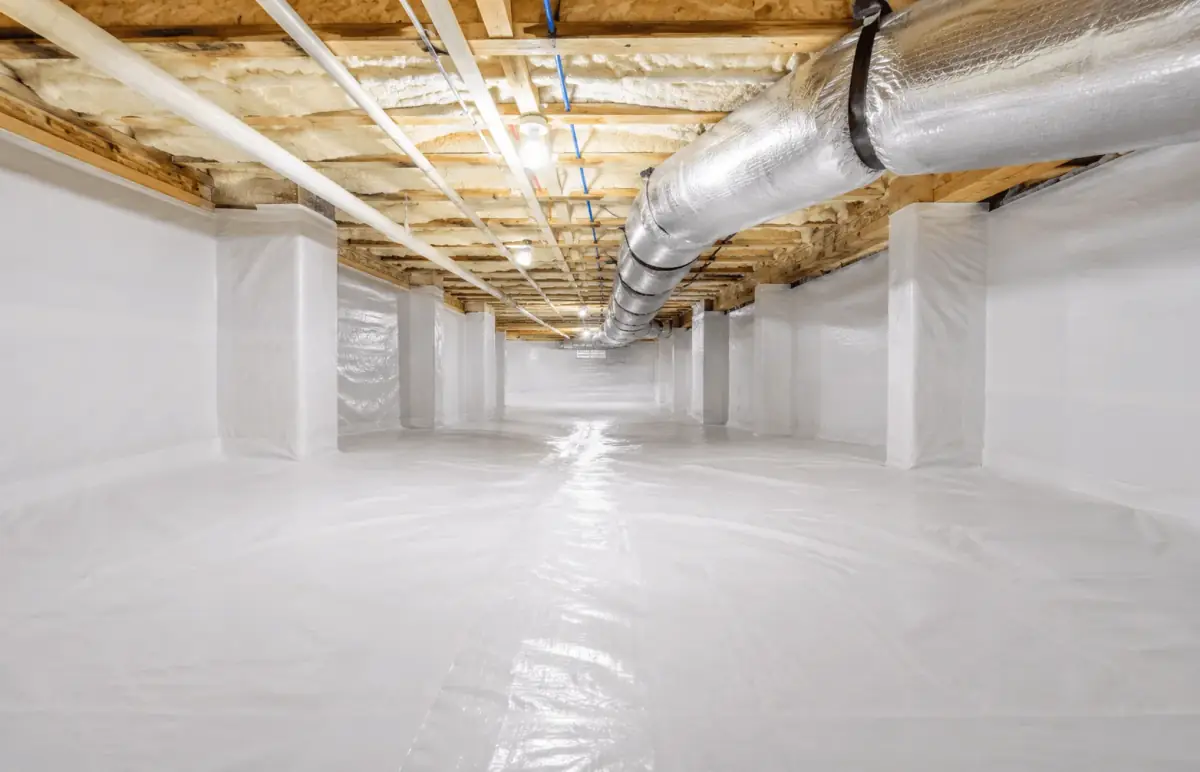
Crawlspace Insulation
Houses pull air upward. If yours sits over a damp crawlspace, sealing the floor above it is part of the same conversation.
Learn moreQuestions Homeowners Ask Us About Sealing
Should I air seal before adding insulation?
Yes, and the order matters more than people expect. Insulation slows heat moving through a surface, but air travels straight through blown fiberglass and cellulose. Bury an open gap under a foot of new insulation and the air keeps moving through both. Sealing first is also simply easier, because once the depth is in place we would have to dig back down to reach the same openings.
Where do homes leak the most air?
Higher up than most people guess. Windows and doors get blamed, but the ceiling plane is usually the bigger offender: recessed light housings, wall top plates, the openings cut for plumbing and wiring, the attic hatch, and open chases behind soffits and around chimneys. Rim joists and crawlspace penetrations matter too. When we find insulation that has gone gray and dirty in one spot, that is a filter mark, and it means air has been pouring through there for years.
Will sealing my house up cause ventilation problems?
It is the right question to ask, and the honest answer is that tightening a house does change how it gets fresh air. A leaky home ventilates by accident, which is wasteful and uncontrolled, but it is still ventilation. What we seal is the unintended leakage, never the roof and soffit vents the attic needs. On the living side, that puts more weight on bath and kitchen exhaust fans actually working and actually being used. And if a gas water heater, furnace, or fireplace pulls its combustion air from inside the house, it needs a dependable supply and a good draft, so we raise that with you before any sealing starts rather than discovering it afterward.
Will air sealing fix a room that never cools down?
Sometimes, and sometimes not, which is why we want to see it before promising anything. If the room sits under a thin, leaky attic, sealing and insulating will likely help a lot. But a stubborn hot room often has a different cause: a duct that came apart in the attic, a supply run too small for the space, a system that is undersized or failing, or a room with several exterior walls and heavy afternoon sun. Sealing does nothing for a broken AC, and we are not going to sell you caulk for an HVAC problem. If what we find points to your equipment or your ducts, we will say so and tell you to call someone who works on those.
You Get It in Writing
A sealing quote from us lists the openings we plan to close and what each part of the scope costs. You can read it, sit on it, or take it to someone else for comparison. Nothing starts until you say so.
Let Us Look at Where Your Home Leaks
We will get in the attic, find what is actually open, and tell you whether sealing is worth doing on your house. Send the form or call, and we will follow up to set a time that works for you.
- An itemized scope in writing before a single gap gets closed
- Working on Panhandle attics since 1994
- Licensed and insured, BBB A+ accredited
- A straight answer if sealing is not what your home needs
Ask for an Air Leak Assessment
A few details about your house is all we need to start.
Find Out Where Your House Is Losing Air
Family owned since 1994, based in Wewahitchka, and glad to tell you when sealing is not the fix. Reach us Monday through Friday, 7:30 AM to 3:30 PM.