
Attic Insulation in Northwest Florida
By mid-afternoon in July, the air above your ceiling can pass 130F. How much insulation sits between that heat and your bedrooms decides how hard the AC works for the rest of the day.
What Attic Insulation Actually Does
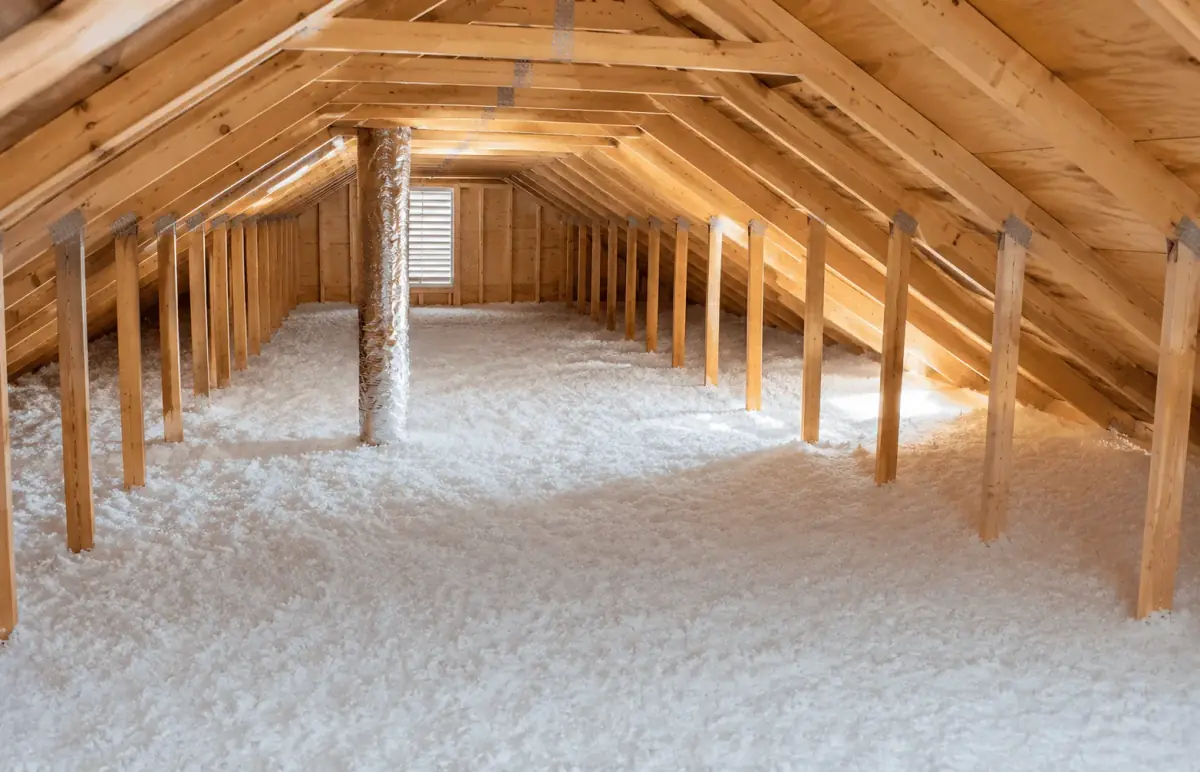
Attic insulation is a layer of material spread across your attic floor, sitting directly on top of the ceiling of the rooms below. Its job is narrow and important: slow the heat collected in your attic from working its way down into the house. In Northwest Florida that heat is up there for eight or nine months out of twelve, which is why a thin attic shows up on the power bill long before anyone thinks to go open the hatch.
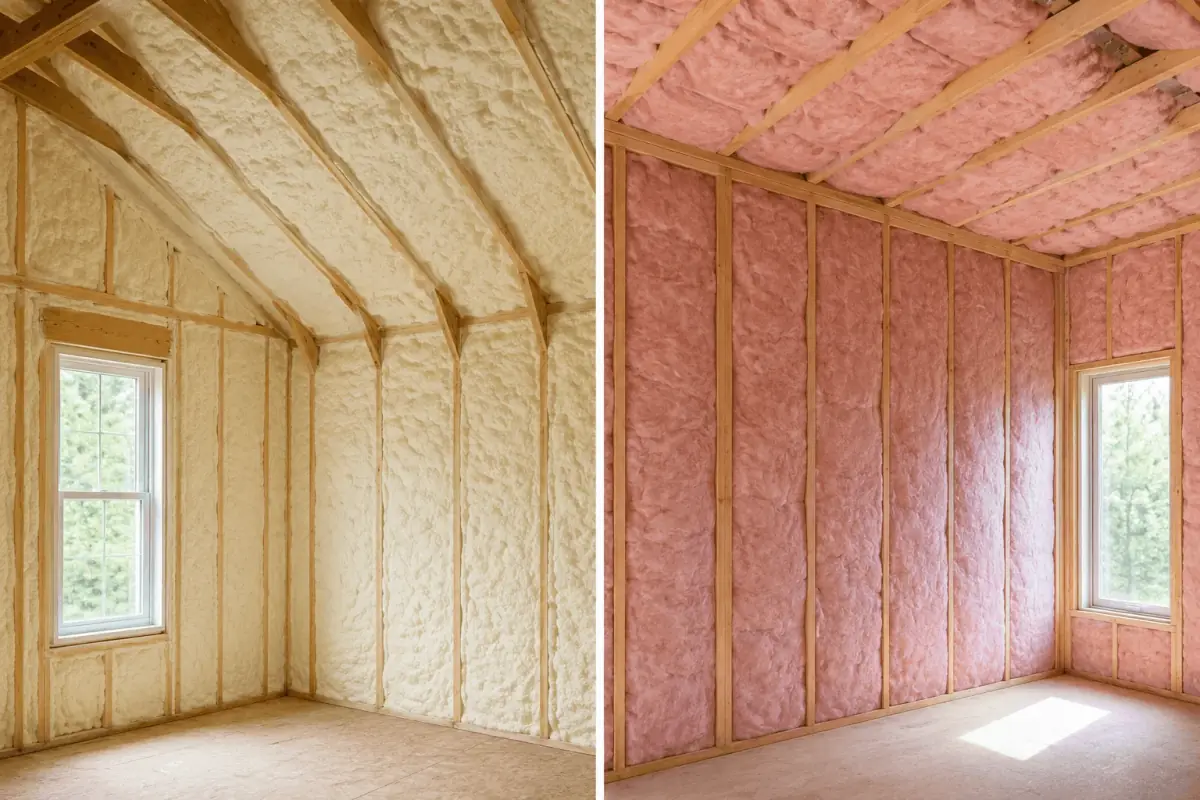
We install blown-in insulation, fiberglass batts, and spray foam to bring an attic into the R-30 to R-49 range recommended for our region. Depth matters more than brand. An attic with bare patches over the hallway and nothing in the far corners will underperform whatever the bag says, because heat finds the shortcut.
Is your attic the one causing trouble?
It usually announces itself. Bedrooms on the sunny side that never quite cool down. An AC that runs and runs through the afternoon. Joists you can see when you lift the hatch, which means the insulation between them has settled below the framing. Homes built before modern energy codes are almost always short up top. Newer homes are not automatically safe either, since insulation gets walked on, shoved aside by anyone running a wire, and pressed down over the years.
Heat Presses Down, Not Up
Cold climates fight heat loss. We fight heat gain, and here it arrives from one direction for most of the day. A superheated attic radiates into the ceiling below it, warms the drywall, and that warm drywall keeps giving heat back to your rooms well after sunset. Insulation slows the handoff. Ventilation carries some of the heat and moisture back outside. The two have to work together, so whenever we add material we check that soffit and ridge vents still have a clear path. Burying a soffit vent under fresh insulation creates a moisture problem the attic never had before.
What Changes After the Attic Is Done
Less afternoon heat gain
A full, even layer slows the downward heat that keeps your AC running through the worst part of the day.
Money back on the bill
Attic work is usually the least expensive way to buy comfort in this climate, and the change shows up over the cooling season.
Rooms that finally match
The upstairs bedroom and the bonus room over the garage stop running warmer than everywhere else.
A drier roof deck
Correct depth plus clear ventilation keeps moisture from collecting on the underside of the sheathing.
Getting the Depth Right
R-30 to R-49 is what the U.S. Department of Energy recommends for attics in the Florida climate zone, and it is the range we target on most homes here. Reaching it is a question of inches. Every material carries an R-value per inch, so the number on your estimate turns into a depth we blow or lay to, and we mark that depth around the attic as we work instead of eyeballing it from the hatch. Where your home lands inside the range depends on what is already up there, how the attic is framed, and which problem you are trying to solve. You will know the material, the target, and the reasoning before anyone starts.
Homeowners phrase it a dozen ways. Some search Florida attic insulation, some want the best attic insulation Florida offers, and plenty just type attic insulation Florida before getting to the real question: how much insulation do I need in Florida? The short answer is the R-30 to R-49 band above, reached with an even depth and a sealed ceiling underneath it. Polar Insulation does that attic work throughout the Panhandle, and our guide on how much insulation you need in Florida puts the depths in plain numbers.
Signs Worth an Attic Inspection
None of this takes a trained eye. If two or three of these describe your house, the attic is worth opening up:
- Bedrooms on the sunny side that stay warm all afternoon
- Insulation low enough that the joists show through
- An AC that runs nearly nonstop in July and still loses ground
- Cooling bills creeping up while nothing else about the house changed
Worth saying plainly: insulation is not always the answer. If your ducts are leaking conditioned air into the attic, or the AC is undersized or near the end of its life, adding R-value will help less than you would hope and the real problem stays where it is. That is part of why we look before we quote. If your attic is already in decent shape, we would rather tell you that than sell you a job.
What an Attic Job Looks Like
Air sealing comes first. Insulation slows heat, but it does nothing to stop air moving through a gap, so before any material goes in we close up the openings in the attic floor: around can lights, wiring and plumbing penetrations, top plates, and the hatch itself. Then the insulation goes down to a measured depth, marked as we work so the far corners get the same coverage as the area by the access. Baffles stay clear, ventilation stays open, and we clean up before we pack out. Your written estimate spells out how long your attic should take.

We Open the Hatch
We measure the depth you have now, look at your ductwork and ventilation, and hear which rooms are giving you trouble.
A Written Number
Material, target R-value, and price, itemized, with the reasoning behind each line.
Install Day
Seal first, insulate second. We cover the living space on the way through and leave the attic tidier than we found it.
What You Notice
Afternoons ease off first, usually in the rooms that were worst. The bills follow across the season.
What Your Estimate Depends On
We price attics one at a time, after seeing them. A handful of things move the number more than the rest:
- Attic square footage, and how much insulation is already up there
- The R-value we are aiming for and the material that gets you there
- Whether we add to what exists or start clean after a removal
- Access, roof pitch, low clearance, and whatever we have to work around
- How much sealing the attic floor needs before any insulation goes down
For a real number on your own house, request a written estimate. If you would rather get a sense of the ranges first, our guide to insulation costs in Florida walks through them.

Attics We Insulate Around the Region
Our work is in homes across the Florida Panhandle, South Alabama, and South Georgia. A few of the cities we cover:
Often Done at the Same Time
Blown-In Insulation
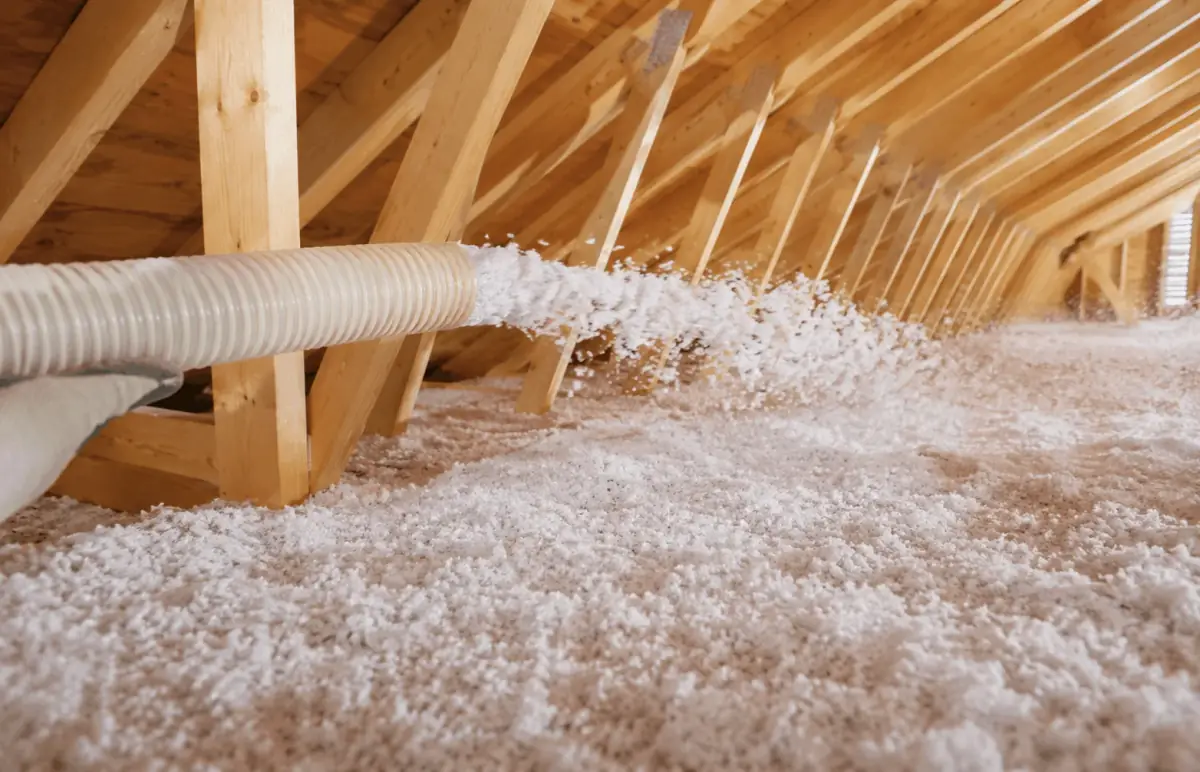
Loose fill that flows around wiring and framing, which is how most attics here get brought back to depth.
Learn more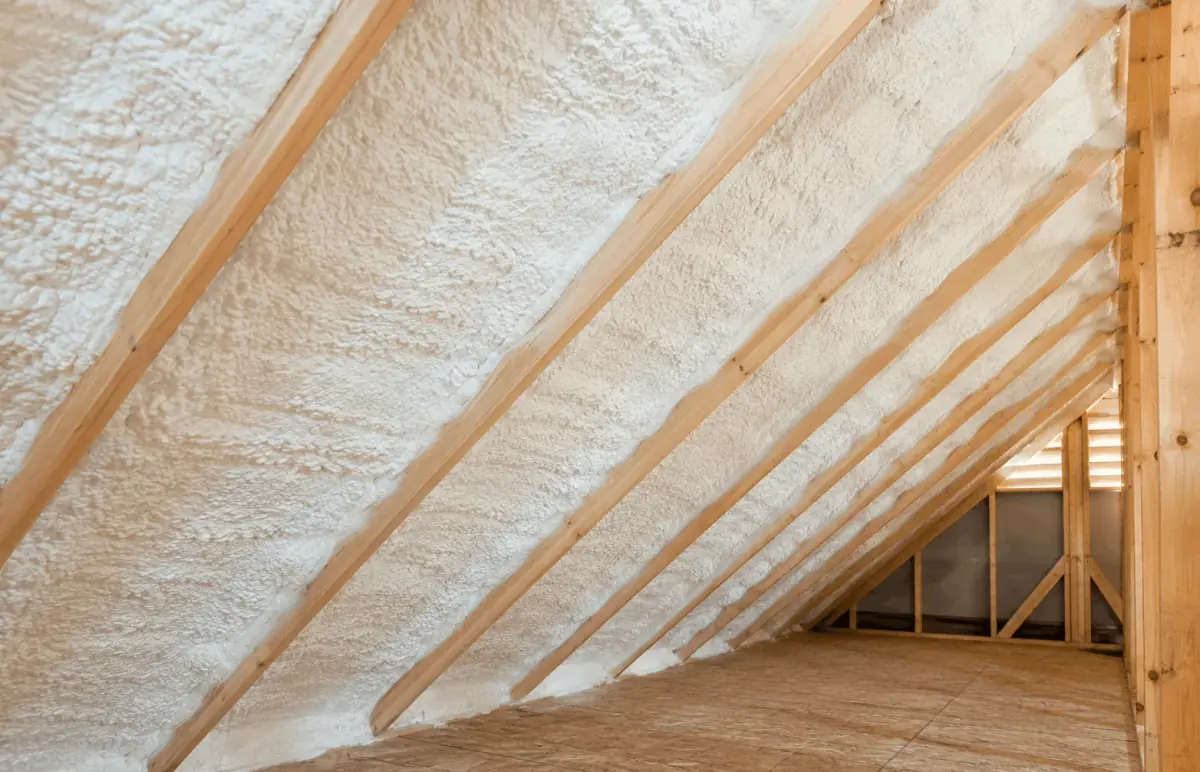
Spray Foam Insulation
Insulation and air barrier in one application, worth a conversation when humidity is part of the problem.
Learn more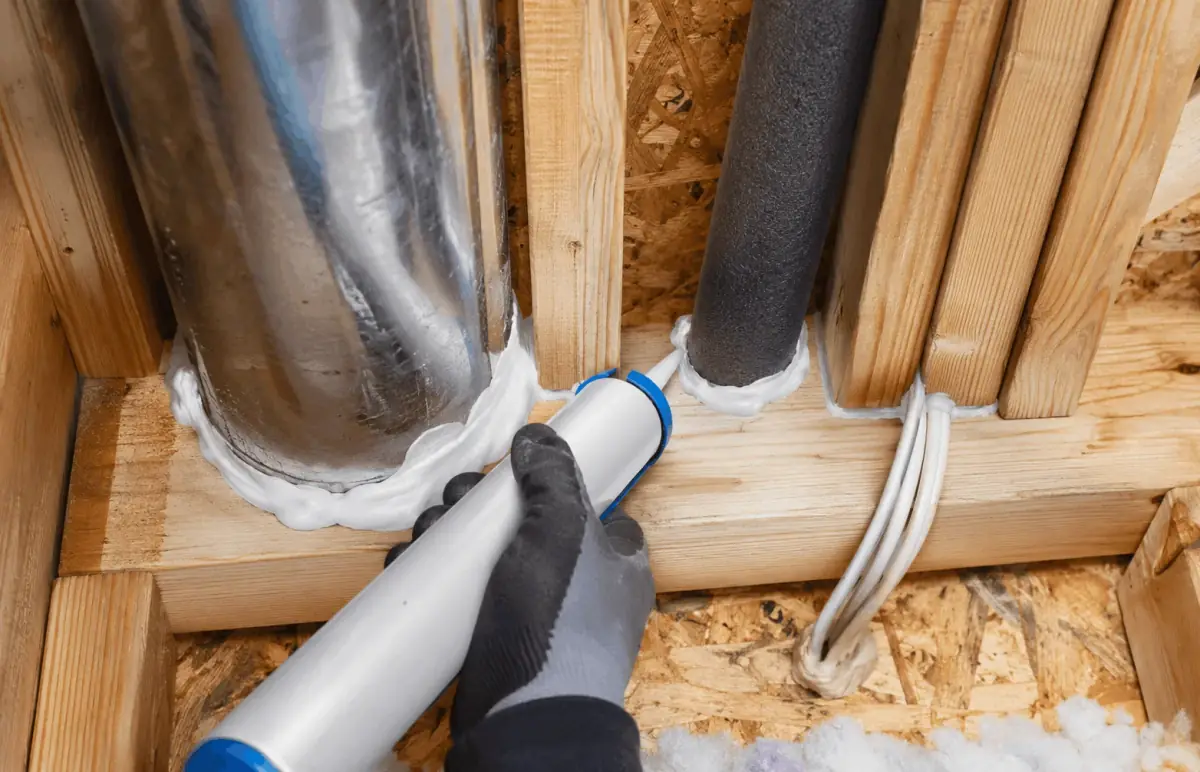
Air Sealing
Closing the gaps in the attic floor so the insulation you pay for behaves the way its rating says.
Learn moreAttic Insulation FAQs
What R-value do I need for an attic in Florida?
The U.S. Department of Energy recommends roughly R-30 to R-49 for attics in the Florida climate zone. Plenty of older homes here sit well below that. We measure what is actually up there, thin spots included, and bring the whole attic to an even depth rather than an average one.
How much does attic insulation cost?
It comes down to the size of the attic, the R-value we are targeting, and whether the old material has to come out first, so the honest answer is that we price it after we see it. What you can count on is an itemized, written number before anything is scheduled.
Can you add insulation over what's already there?
Often, yes. If the existing layer is dry, clean, and free of pests, new blown-in goes right over it to reach the depth you need. Wet, moldy, rodent-fouled, or heavily matted insulation is a different story, and we will recommend pulling it out first so the new material can do its job.
Does attic insulation help in winter too?
It does. The same layer that slows heat coming down in August slows heat leaving through the ceiling on a cold Panhandle night, so the heat runs less. Our cooling season is much longer, so most of the benefit shows up in summer, but it works in both directions.
Everything in Writing, Before Anything Starts
Your quote lists the material, the R-value, and the price, line by line. Read it, sit on it, ask us about any part of it. Nothing gets ordered or scheduled until you say to go ahead.
Have Us Look at Your Attic
Send the form or call. We will set a time to come out, measure what you have, and put a real number in front of you.
- A written estimate you can read at your own pace
- Insulating Northwest Florida attics since 1994
- Licensed, insured & BBB A+ accredited
- Family owned, and residential work only
Tell Us About Your Attic
A few details and we will follow up to set a time.
Want to Know What's Actually Up There?
We have been insulating homes in this part of Florida since 1994. Have us take a look at your attic and tell you straight.