
Crawlspace Insulation in Northwest Florida
Cold floors and a smell you cannot place usually start in the space nobody looks at.
Two Different Jobs, Often Confused
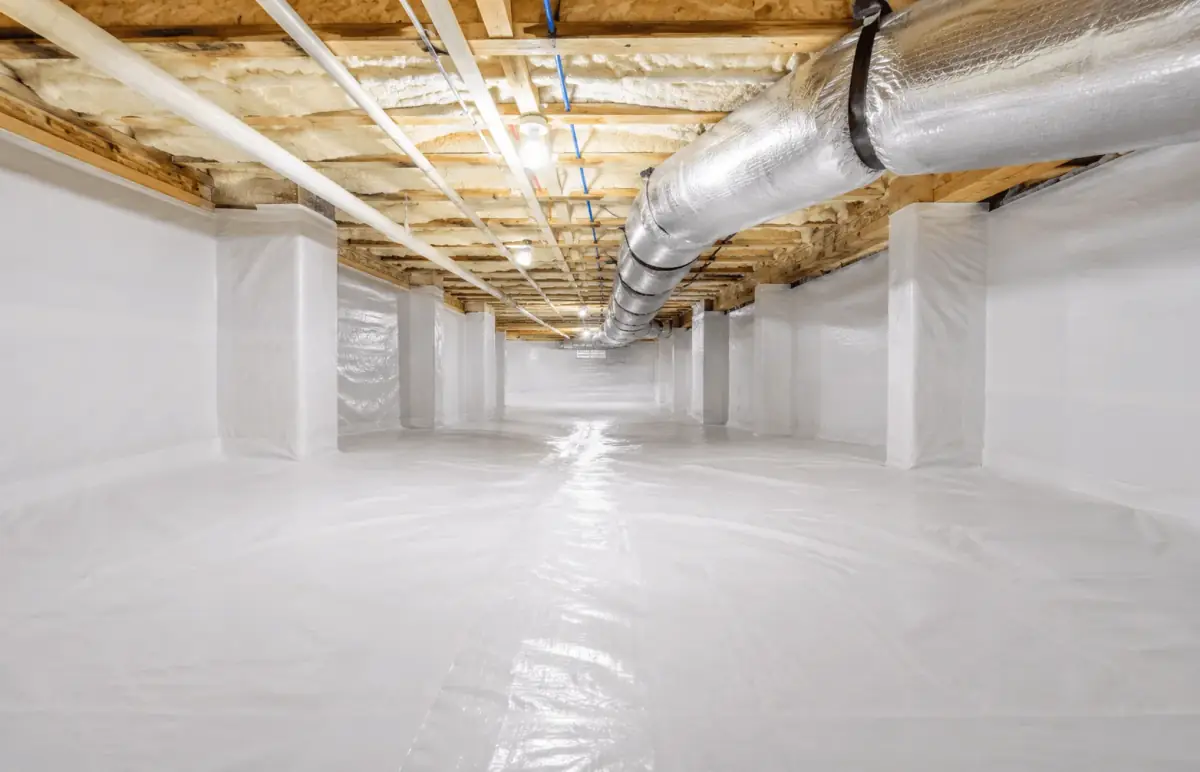
People say "crawlspace insulation" to mean two things that are not the same, and the difference is worth understanding before anyone quotes you. Insulating the floor means putting material up between the joists, under the rooms above. The crawlspace itself stays outside the house, thermally speaking. Encapsulation means the opposite: sealing the vents, laying a heavy vapor barrier across the ground and up the walls, insulating the foundation walls instead of the floor, and bringing the whole space inside the building. One is a thermal fix. The other is a moisture fix that happens to also be a thermal fix.
Which one your house wants depends on what is actually wrong down there, and those two problems look identical from your living room.
Why Any of This Matters
Air does not stay put. It moves upward through a house, drawn from the lowest point toward the roof, and whatever is in the crawlspace comes along with it. If the ground under your home is damp and the vents are pulling in Gulf air on an August afternoon, you are breathing a version of that air upstairs. It is the source of the musty smell people chase around with candles for years. Cold floors in January and a humidity reading that never drops are usually the same story told a different way.
Insulation Will Not Fix Water
This is the most important thing on the page. If there is standing water under your house, if the yard slopes toward the foundation, if a gutter dumps against the wall or a pipe is weeping, insulation solves none of it. Sealing a wet crawlspace just traps the water inside with a nice vapor barrier over it, and you have paid for a more expensive version of the same problem. Grading, drainage, and plumbing come first, and some of that is not our trade. The same goes for ductwork: if the ducts running through your crawlspace are leaking conditioned air into the dirt, that is an HVAC repair, not an insulation job, and no amount of foam will paper over it. We would rather tell you to call someone else first than take your money for work that cannot succeed.
What Changes Upstairs
The damp stops coming in
A sealed barrier cuts off ground moisture and the humid air the vents were letting through.
Floors you can walk on barefoot
The cold spots over an open crawlspace are the first thing homeowners notice afterward.
Your joists stay dry
Wood that is not constantly damp is wood that is not rotting, cupping, or feeding mold.
The musty smell goes away
Air travels upward through a house. Fix what it travels through and the odor stops arriving.
Down Here, R-Value Is the Second Question
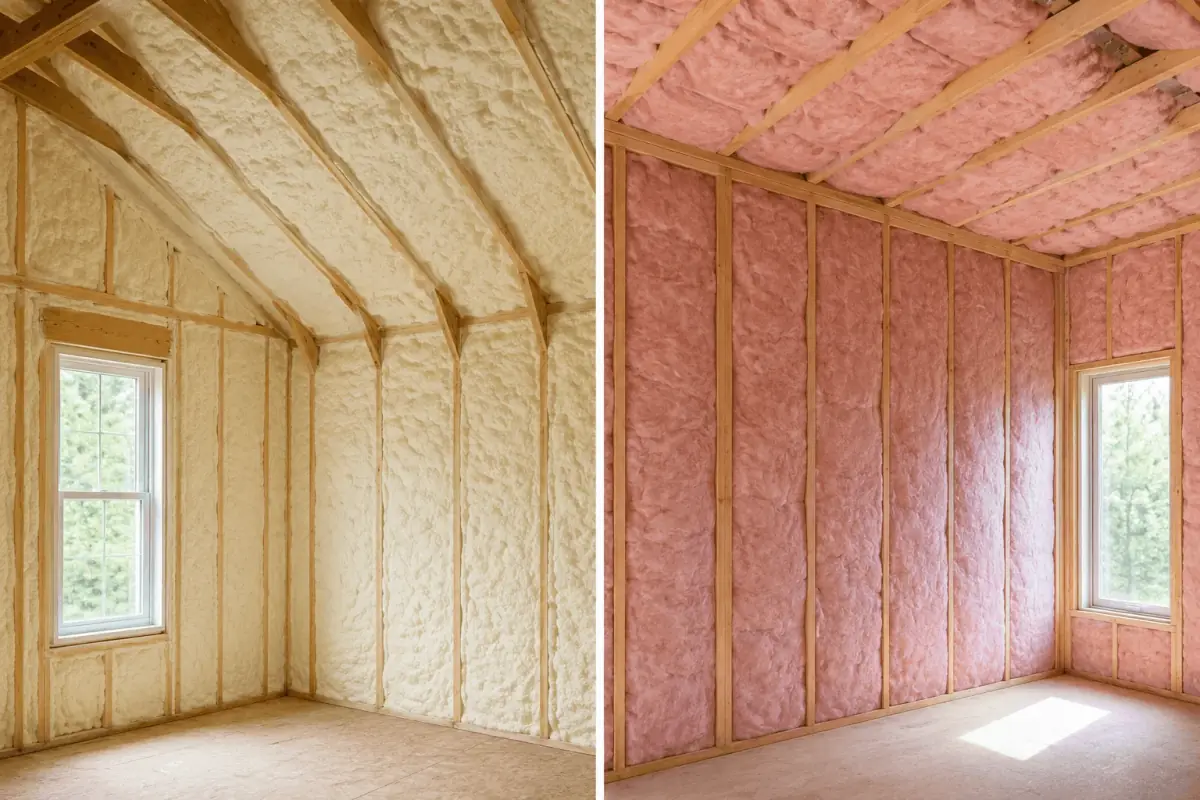
Homeowners often open with a number, usually one they read about attics, where the U.S. Department of Energy puts the range for our climate zone at roughly R-30 to R-49. That figure is for the top of your house, not the bottom, and copying it downward is how people end up buying the wrong job. A crawlspace is graded first on moisture and only then on heat. So the specification starts elsewhere: is this space going to be sealed or left vented, does the barrier go on the ground or the walls, is closed-cell foam warranted because it resists moisture as well as insulating, or is a simpler approach honestly enough for your house? Once those are settled, the R-value follows from them rather than the reverse. Whatever we land on, you will get it in writing with the reasoning attached, in words rather than jargon.
What Your House Is Telling You
Almost nobody notices a crawlspace directly. You notice what it does to the rooms above it:
- Floors that are cold underfoot in winter, or feel soft in places
- A musty smell that comes back no matter what you clean
- Indoor humidity that stays high even when the AC runs constantly
- Old batts hanging down off the joists, or dark staining on the wood
Any of those is worth an inspection, though not necessarily this one. Cold floors can also mean leaking ducts. High humidity can mean an oversized AC that shuts off before it dehumidifies. That is exactly why someone has to get under there and look rather than diagnose your house from a form.
Somebody Has to Go Under There
There is no clever substitute for crawling the whole space with a light, and that is where every one of these jobs starts. We are looking at where water gets in, whether the ground is wet, how the vents are behaving, what shape the joists and subfloor are in, whether anything has been living down there, and what the last contractor left behind. Only then can anyone tell you what the job is. If old insulation has fallen or gone moldy, it comes out before anything else happens, because new material over ruined material is just burying the problem. From there the work depends on the plan: sealing vents and laying a heavy vapor barrier for an encapsulation, insulating between joists for a floor job, closed-cell foam where moisture is the enemy and not just cold. Which of those a house actually needs is the subject of our guide to encapsulation versus insulating the floor. Access is the one thing we will ask of you, since a hatch blocked by a deck or a shrub has to be dealt with before we can start.

We crawl the whole space
Water, drainage, vents, joists, pests, ducts, and whatever the last person left. All of it, with a light.
You hear what we found
Including the parts that are not our work to fix. If drainage or HVAC comes first, we will say so.
Clear out, then build up
Ruined material leaves the property. Barrier, sealing, and insulation go in against clean, dry framing.
You see it before we go
Photos if the hatch is tight, a look for yourself if it is not. Either way, you see the finished space.
Why Nobody Can Quote This Blind
Crawlspaces vary more than any other part of a house, which is why an over-the-phone number for this work is worth nothing. What we are pricing:
- The size of the space, and how much headroom a person has to work in
- Whether we are insulating the floor or encapsulating the entire space
- How much barrier and sealing the ground and walls actually call for
- Closed-cell foam where it is warranted, and only where it is warranted
- Whether ruined material has to come out and be hauled away first
The number comes after the crawl, not before it. Ask us to come look and you are under no obligation once you have the estimate in hand. General cost background lives in our guide to insulation costs in Florida.

Crawlspace Insulation Across Our Service Area
Older homes on piers are common across this region, and we work under them from the Gulf coast to South Georgia. A sample:
Usually Part of the Same Conversation
Spray Foam Insulation
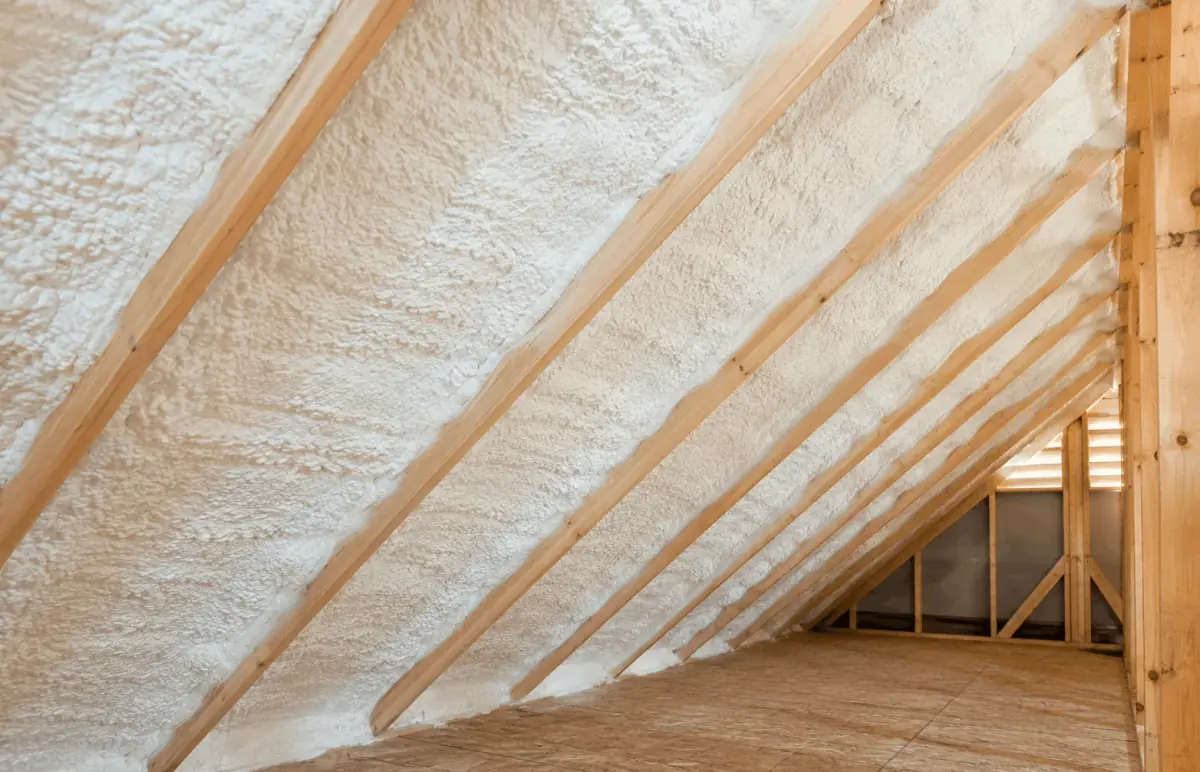
The closed-cell foam we often specify under a house, explained in full.
Learn more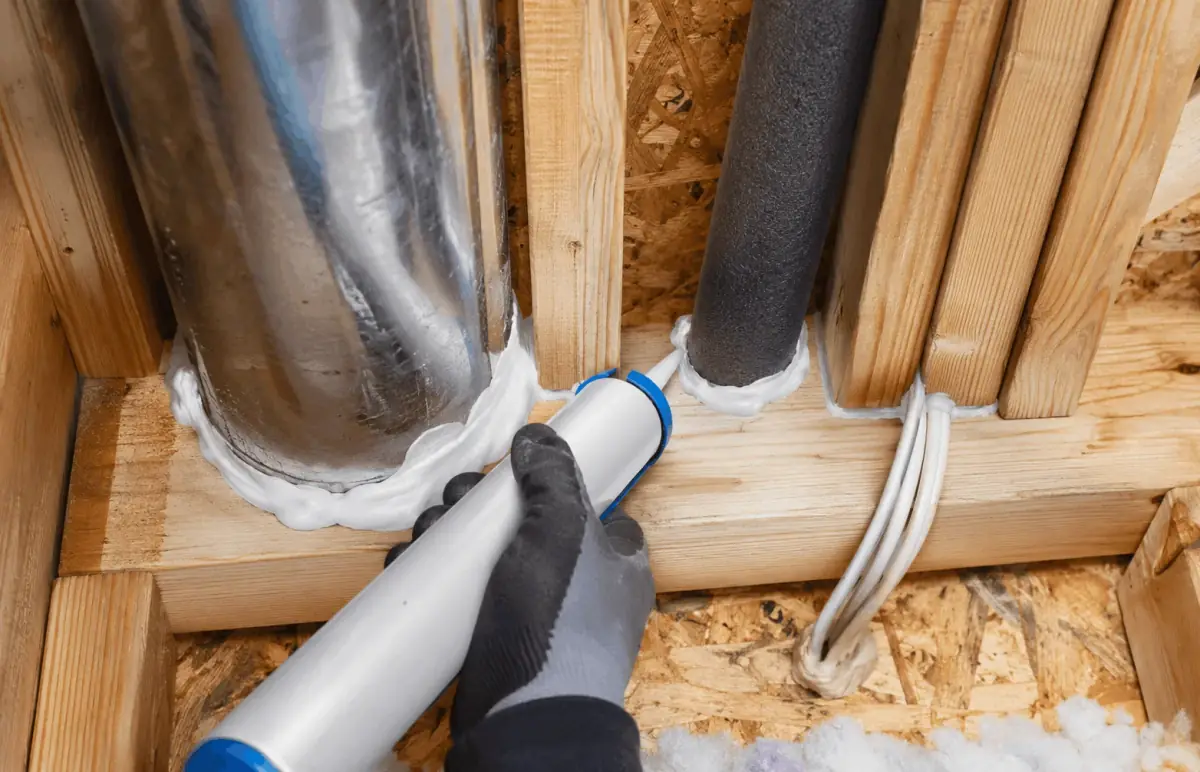
Air Sealing
Closing the paths that let crawlspace air reach your living space in the first place.
Learn more
Insulation Removal
When the material under your floor is wet or fouled, this comes first. There is no way around it.
Learn moreCommon Crawlspace Questions
Should a crawlspace be vented or sealed in Florida?
Sealed, in most cases here, though the reasoning matters more than the verdict. Crawlspace vents were a good idea imported from a drier climate. The theory was that outside air would carry moisture away, and where the outside air is dry, it does. Ours is not. On a humid summer day those vents pull warm, wet air into a cool space, and it condenses on the first cold surface it finds, which is your floor system. The vent is feeding the problem it was meant to solve. Encapsulating (sealing the vents, laying a barrier, insulating the walls) shuts that off. Where a house has genuinely good drainage and no moisture history, a vented crawlspace with insulated floors can still be perfectly reasonable, which is why we look before deciding.
What are the signs my crawlspace needs attention?
Cold or spongy floors, a musty smell that keeps returning, humidity that stays stubbornly high indoors, visible mold or damp under the house, and old batts drooping off the joists. Those are the usual five. Worth saying plainly, though: none of them proves the crawlspace is the culprit. Leaking ducts cause cold floors too, and an AC that short-cycles will leave your house humid regardless of what is underneath it. The signs tell you something is wrong, not what. Getting under there is how you find out which.
Does crawlspace insulation really improve indoor air?
It can, and the mechanism is simply that air moves upward through a house. Air leaves through the roof and upper levels, and replacement air gets drawn in from the lowest point available, which in your home is the crawlspace. So whatever is down there has a route upstairs. A damp, moldy crawlspace sends moisture and odor along that route continuously, which is why the musty smell never quite responds to cleaning. Sealing and insulating the space cuts the supply off at the source. It is not a substitute for dealing with an actual mold problem or a water intrusion, but it stops you rebreathing your own dirt.
There is water under my house. Can you just seal it in?
No, and we would turn the work down rather than do it that way. Standing water means something is putting it there: the ground slopes toward the house, a downspout is discharging at the foundation, the water table is high, or a pipe is leaking. Wrapping a barrier over active water traps it against your framing and hides it from view, which is worse than leaving it alone. The water source has to be handled first, and some of that is grading, gutter, or plumbing work rather than insulation. We will tell you what we see and what order it needs to happen in, then come back once the space is dry.
You Get Told What Is Actually Down There
The estimate covers materials, approach, and price. The conversation covers everything else we found, including the problems that belong to a plumber or an HVAC tech rather than to us.
Let Us Get Under There and Look
You will find out what is happening beneath your floors and what it would take to fix, obligation-free either way. Send the form or call us, and we will arrange a time.
- A full crawl of the space, not a glance through the hatch
- Family owned and working under Florida homes since 1994
- Licensed, insured, and BBB A+ accredited
- We will name the problems that are not ours to sell you
Schedule a Crawlspace Look
Tell us what you are noticing upstairs and we will take it from there.
When Did Anyone Last Look Under Your House?
For most homeowners the honest answer is never. We have been crawling them across the Panhandle, South Alabama, and South Georgia for three decades, and we will tell you straight what we find.