
Insulation Services for Homes on the Gulf Coast
A house in this climate loses ground in three places: the attic overhead, the cavities in the walls, and the damp air moving up from under the floor. Polar Insulation works all three, with the material each one actually calls for. Here is what we install, remove, and repair.
Every Part of the House, One Contractor
Houses are what we insulate. All of it, every day, since 1994. That focus matters more than it sounds: a home has occupants, ductwork in hot spaces, and a cooling season that runs most of the year, so the material choices and the install details follow from that. If you have been searching for an insulation company anywhere in the Panhandle, that is us, a family-owned residential insulation contractor and home insulation company based in Wewahitchka. Pick a service below for depth on how it works and where it fits.
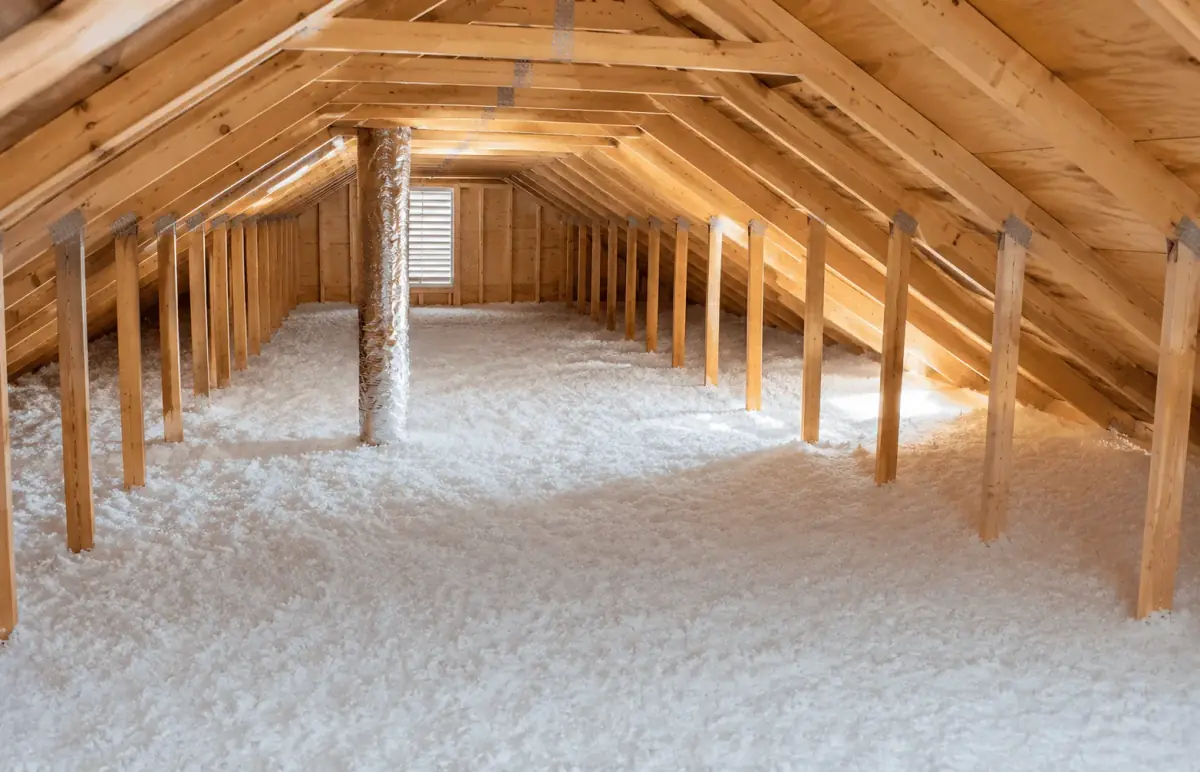
Attic Insulation
By mid-afternoon in July, a Florida attic can push past 130F. Depth on the attic floor is what keeps that heat from settling into your ceilings.
Learn more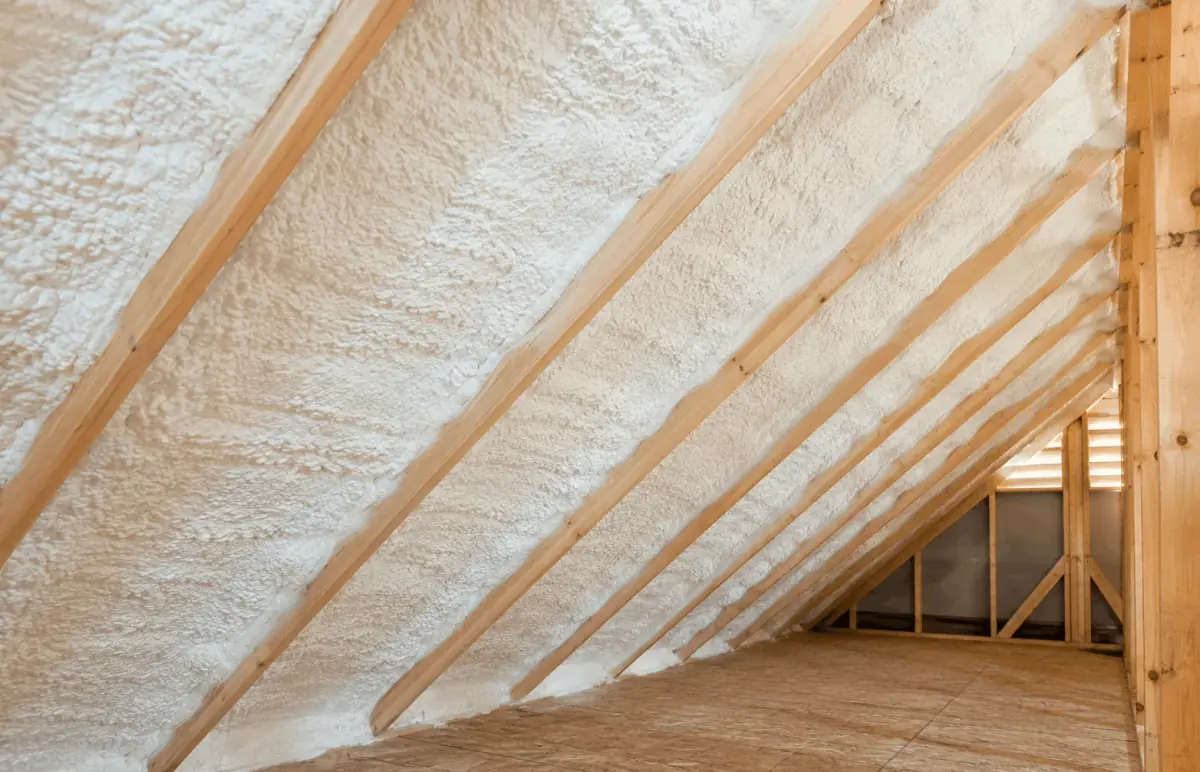
Spray Foam Insulation
Expands into every gap and hardens, so it insulates and seals in a single pass. The most R-value you can get per inch of space.
Learn more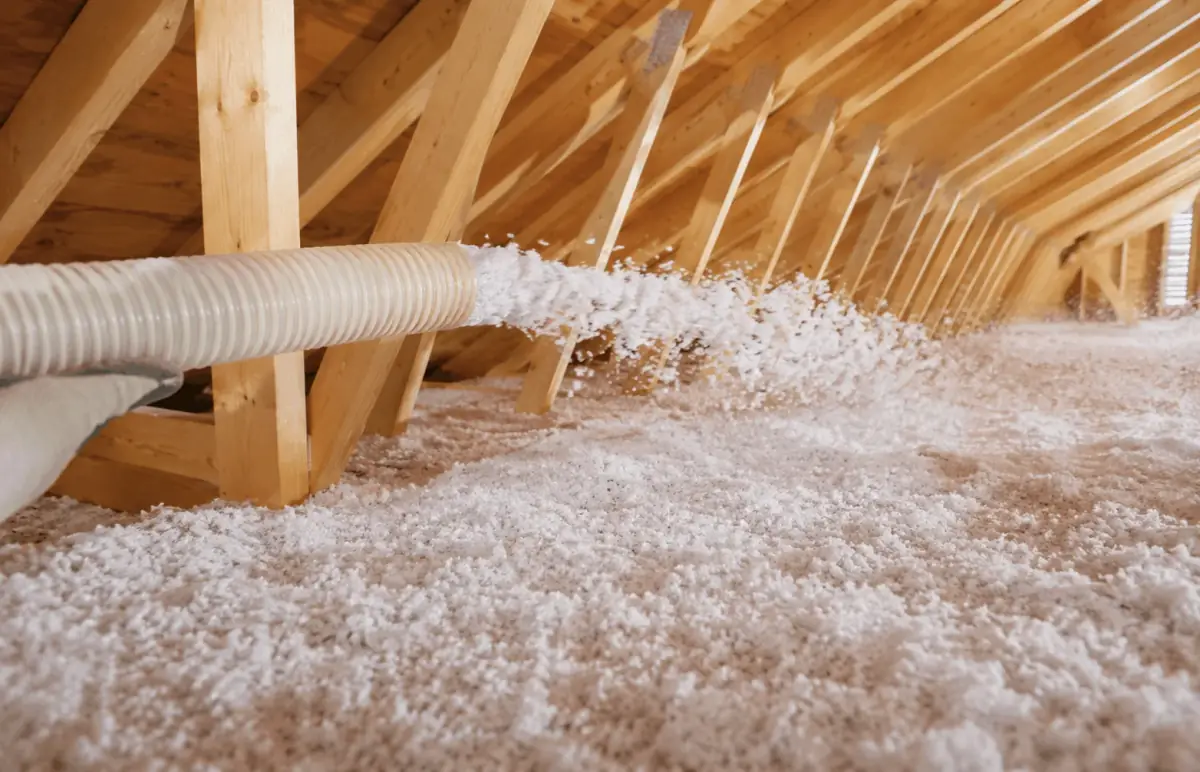
Blown-In Insulation
Loose fiber blown to an even depth, filling around joists, wiring, and framing that batts have to be cut around.
Learn more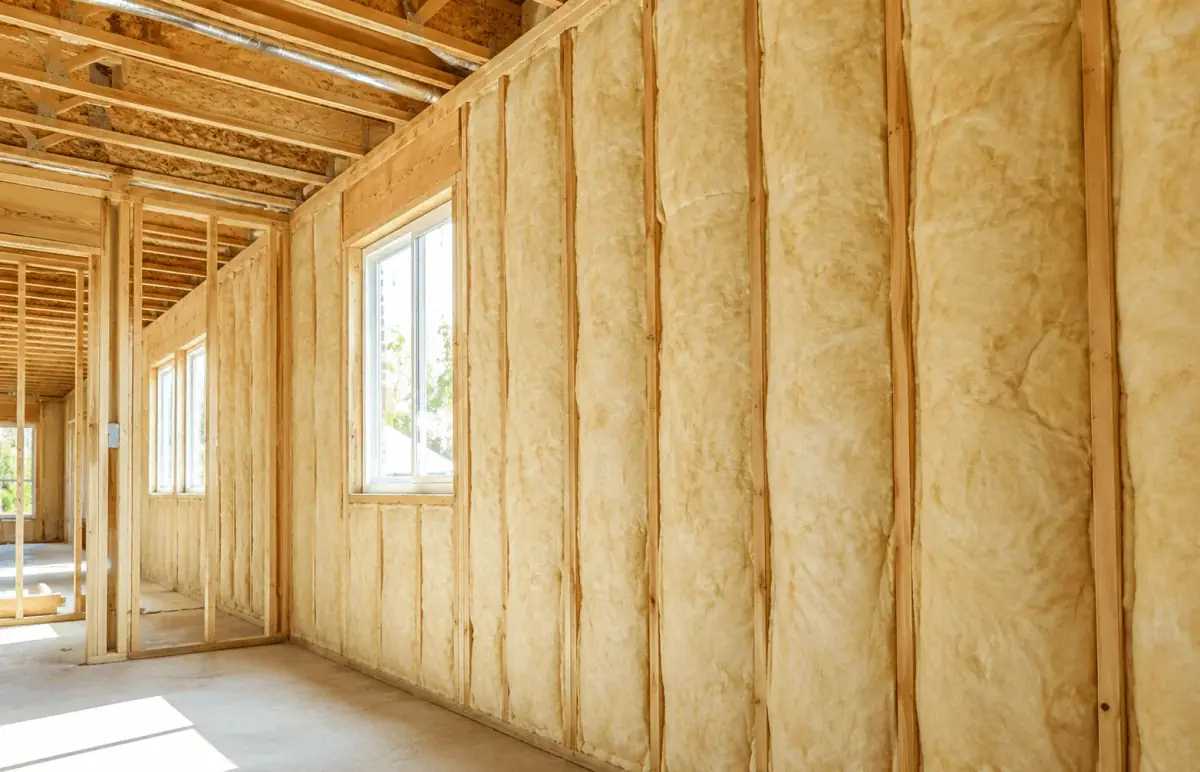
Fiberglass Insulation
Batts sized to standard framing. When the studs or floor joists are open and the cavities are clean, this is usually the sensible answer.
Learn more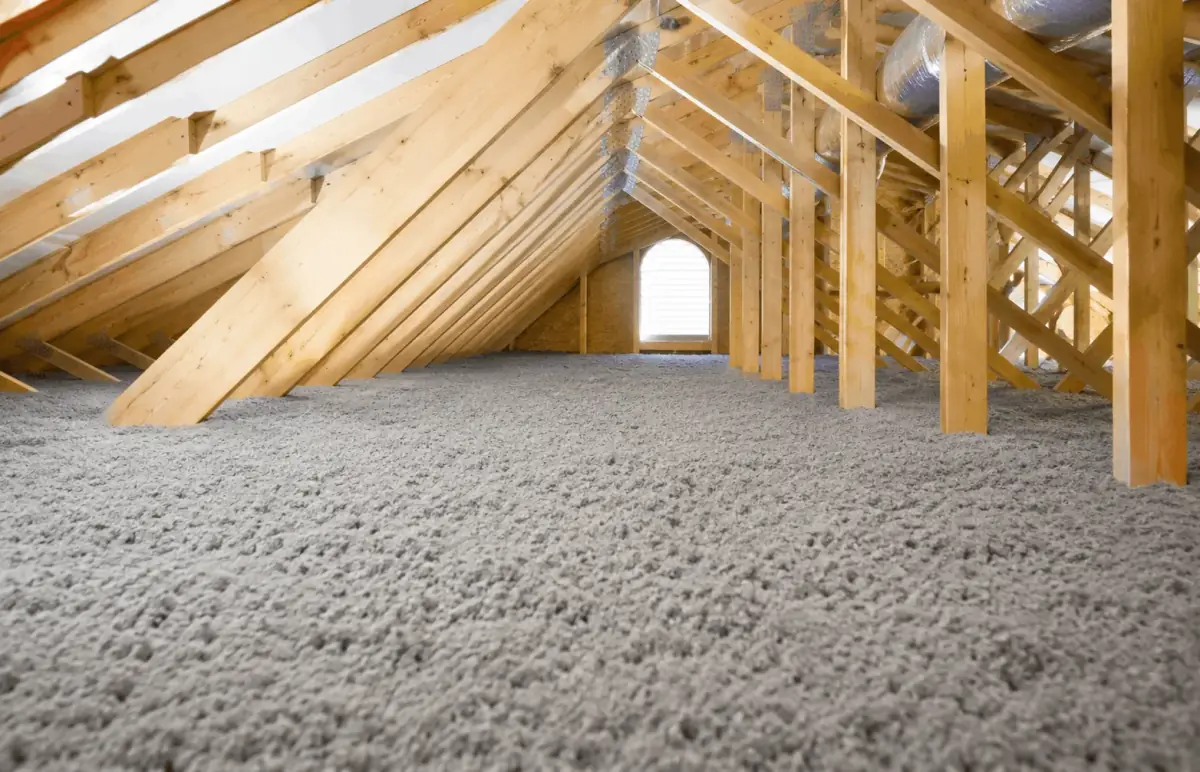
Cellulose Insulation
Recycled paper fiber, treated and packed dense. It settles into odd cavities well and quiets a house noticeably.
Learn more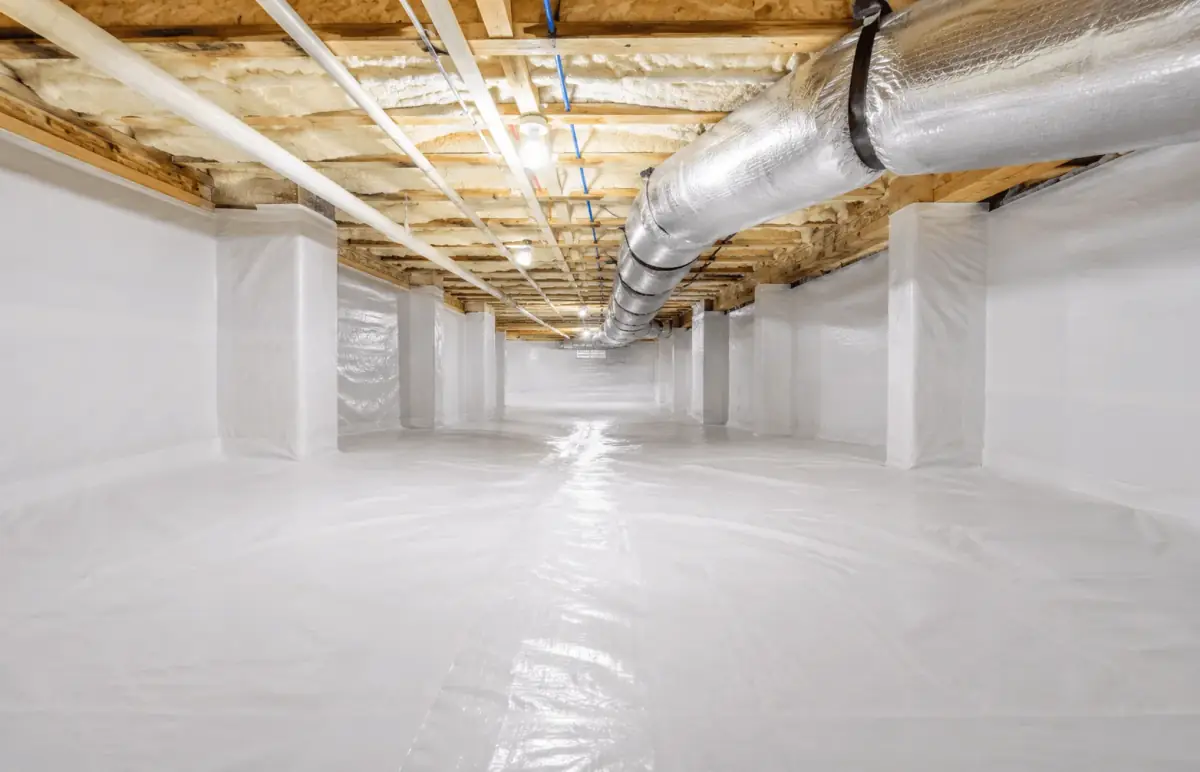
Crawlspace Insulation
Cold floors and a musty smell usually start underneath. Handling moisture and thermal control together is what fixes it.
Learn more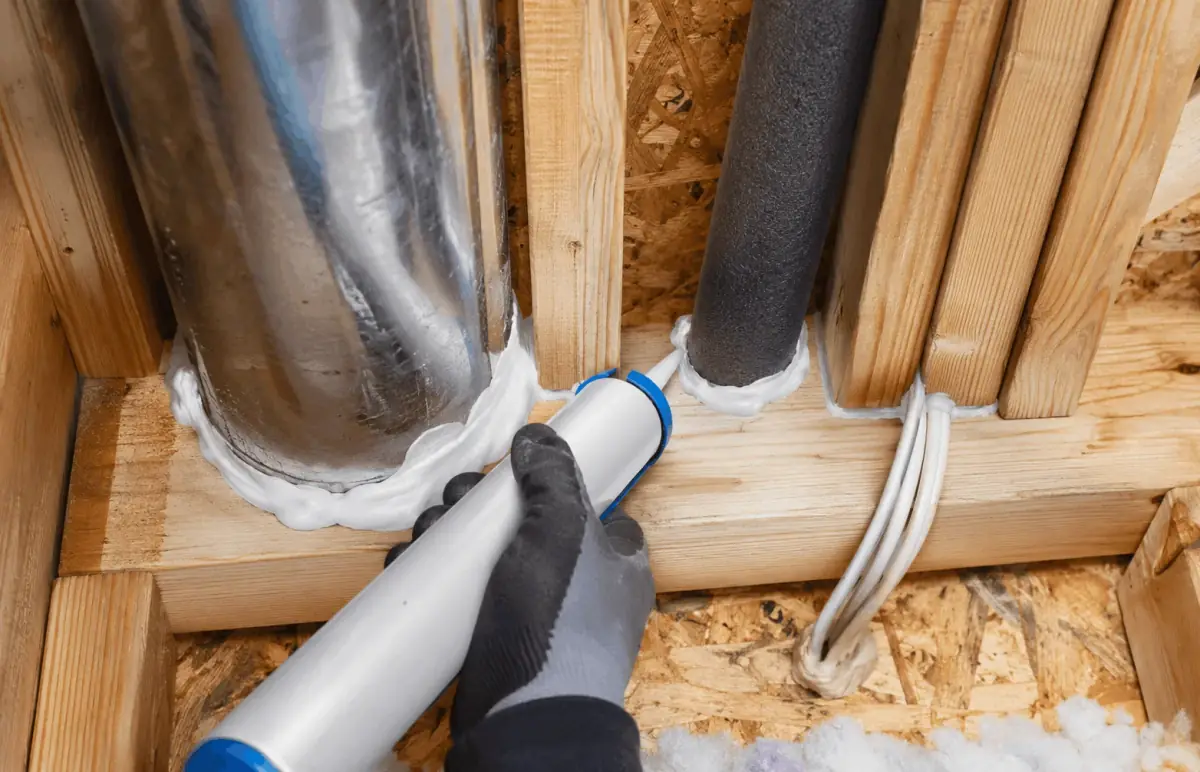
Air Sealing
Insulation slows heat, but it does not stop air. Closing the gaps at top plates, can lights, and duct chases comes first.
Learn more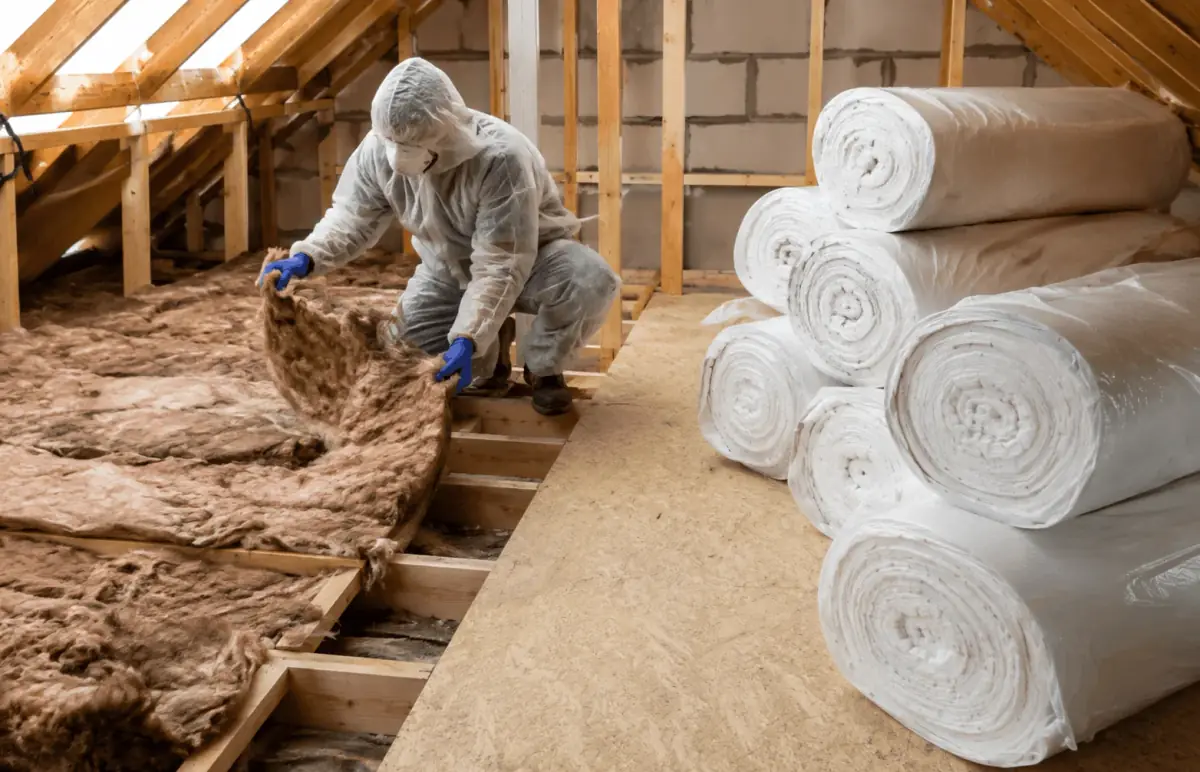
Insulation Replacement
Insulation that has flattened, gotten wet, or taken storm damage is no longer doing the job. Fresh material at full depth is.
Learn more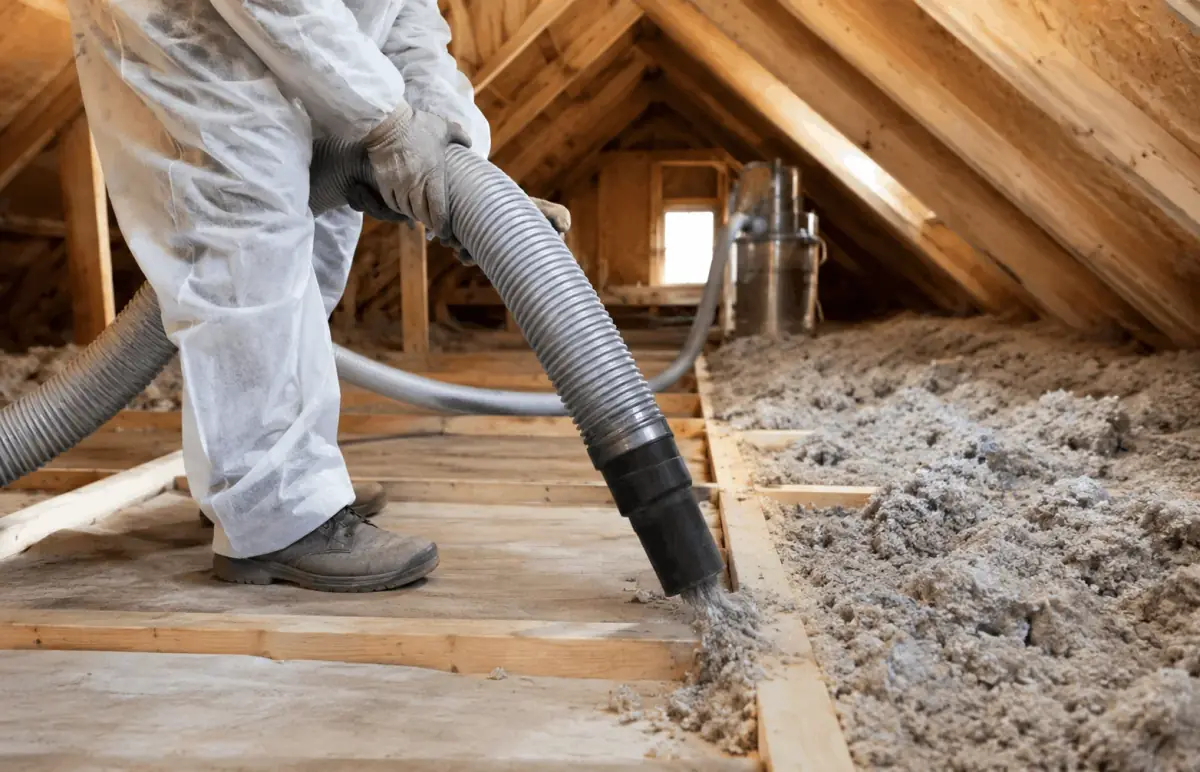
Insulation Removal
Rodent contamination, smoke, or water damage means the old material has to come out and be hauled off before anything new goes down.
Learn more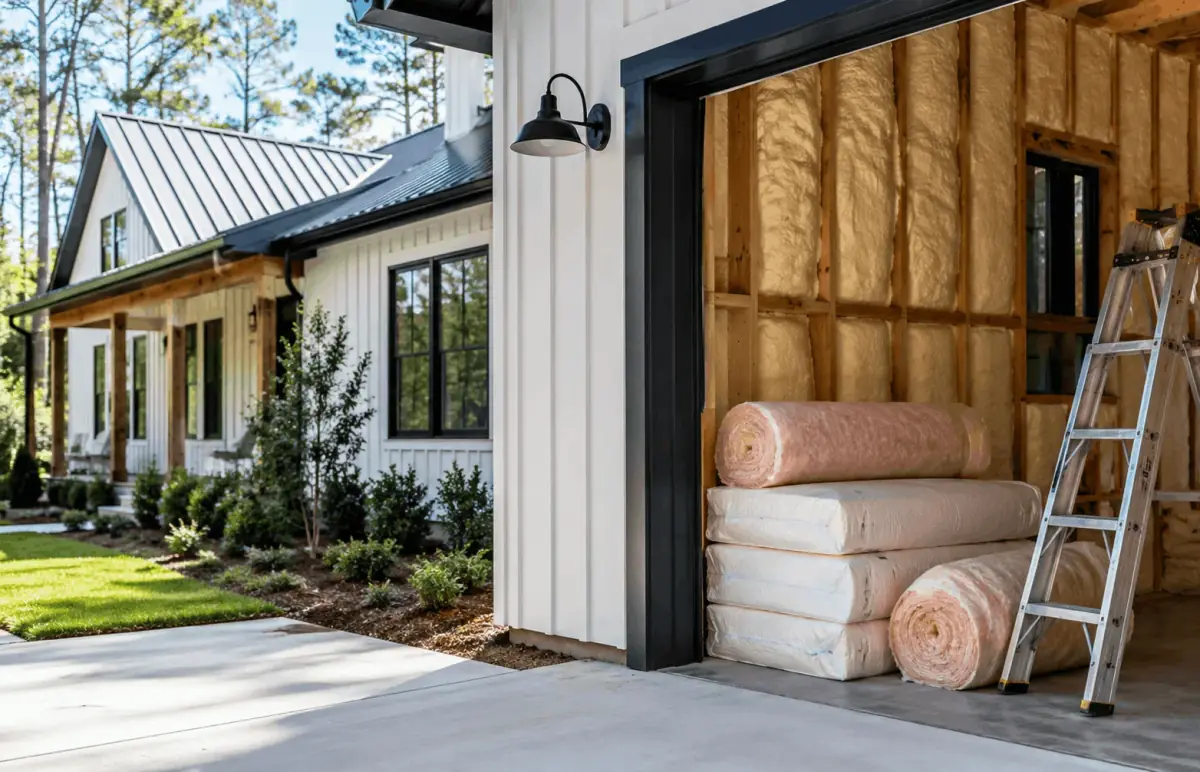
Whole-Home Insulation
Attic, walls, and floor pull against each other. How we look at a house as one envelope.
Residential overviewWhich Material Goes Where
There is no best insulation, only the right one for a given space. R-value per inch matters when depth is limited (a shallow roofline, a narrow wall cavity). Where there is room to work, such as an open attic floor, cost per R-value usually matters more. Moisture is the third factor, and on the coast it carries real weight.
| Material | R-Value / inch | Best For | Key Strength |
|---|---|---|---|
| Spray Foam (closed-cell) | R-6.0 to R-7.0 | Attics, crawlspaces, coastal homes | Air seal + moisture barrier in one |
| Spray Foam (open-cell) | R-3.5 to R-3.6 | Interior walls, rooflines | Air sealing at lower cost |
| Blown-In (fiberglass/cellulose) | R-3.2 to R-3.8 | Attics, existing walls | Seamless, gap-free coverage |
| Fiberglass Batts | R-3.0 to R-4.3 | Open walls, floors | Cost-effective & non-combustible |
| Cellulose | R-3.2 to R-3.8 | Attics, sound control | Eco-friendly & dense |

What to Expect, Start to Finish
We Come Look
Someone gets into the attic with a tape measure, checks what depth is actually up there, and looks at the crawlspace and any wall cavities we can reach. Tell us which rooms give you trouble, that narrows things fast.
Written Estimate
You get the scope in writing: material, target R-value, square footage, and price. If two approaches would both work, we lay out the difference and let you decide.
Installation Day
We mask the path in, run hose through the access point, and vacuum down behind us. For typical work you do not need to leave the house, and we will tell you up front how long your job should take.
Walk the Job
Before we pack up, you see what was done, where the depth markers sit, and what was sealed. Ask questions then, that is what the walkthrough is for.
Questions We Get Asked
Which insulation service should I start with?
The attic, in nearly every case. It is the surface taking the most heat load in this climate, and it is usually the cheapest place to add R-value because there is open room to work. Seal the leaks up there first, then bring the depth to R-30 through R-49. Walls and crawlspace are worth doing, but they come after. The inspection tells us whether your house is the exception.
Can you handle removal and new installation together?
Yes, and it is usually the right way to do it. Wet, moldy, or rodent-fouled material gets vacuumed out and hauled away, the deck gets inspected once it is bare (which is often when we find the leak or the gap that caused the problem), and new material goes down at the correct R-value. One crew, one project, no gap in between.
Do you work on new construction and existing homes?
Both. New builds and additions get insulated before drywall, which is the easy version, everything is open. Existing homes are the bulk of our work, and age is not really the issue. Plenty of houses only a few years old were finished to the minimum the builder could get away with, and older houses often have material that has simply flattened out over the decades.
Find Out What Your Home Needs
The estimate costs nothing and commits you to nothing. You will know what is in your attic now, what it should be, and what the difference costs. Send the form or call, and we will follow up quickly to set a time.
- Written scope and price before any work starts
- Insulating homes in this climate since 1994
- Licensed, insured, and BBB A+ accredited
- Family owned and operated, based in Wewahitchka
Request Your Free Estimate
A few details about your home, and we'll take it from there.
Not Sure Which Service You Need?
That is a normal place to start, and it is what the free inspection is for. Call and describe what the house is doing, or send the form, and we will figure out the rest from the attic.