
Whole-Home Insulation in Northwest Florida
Start here if you know something is wrong with how your house holds temperature but you are not sure which of these services you actually need.
Most Homeowners Do Not Need All of This
Our website lists ten services, which is useful if you already know what you want and unhelpful if you do not. So here is the honest shape of it. Residential insulation is not really ten choices, it is one question asked about a whole house: where is the heat getting in, and where is the conditioned air getting out? Everything else follows from the answer, and on most homes the answer points at the attic and at air leakage, not at some exotic upgrade.
The reason we look at the house as a system is that the parts do not behave independently. Insulation slows heat but lets air through, so depth without sealing underperforms. A crawlspace pushes damp air up into the rooms above it. Ducts running through a superheated attic lose capacity no matter what surrounds them. Fix one piece while ignoring the piece feeding it and you get a smaller result than you paid for. That is the whole argument for looking at everything before recommending anything.
Where the Work Happens
Four places, mostly. The attic is where the money is in this climate and where nearly every project starts. The ceiling plane underneath it is where air sealing happens, and it is the step that decides whether the attic depth is worth anything. Walls matter, though they are harder to reach in a finished house and usually get addressed during a remodel rather than on their own. And the crawlspace or floor system, if your home has one, handles what comes up from below. The rest of what we list, blown-in, spray foam, fiberglass, cellulose, is not a separate project. Those are the materials we might use in those places.
However you got here, whether you were looking for a Florida Panhandle insulation company, wanted a residential insulation contractor, or just needed a home insulation company that works on houses, this is the right place to start. Polar Insulation is family owned in Wewahitchka and covers the Florida Panhandle, South Alabama, and South Georgia.
A Cooling Problem, Not a Heating One
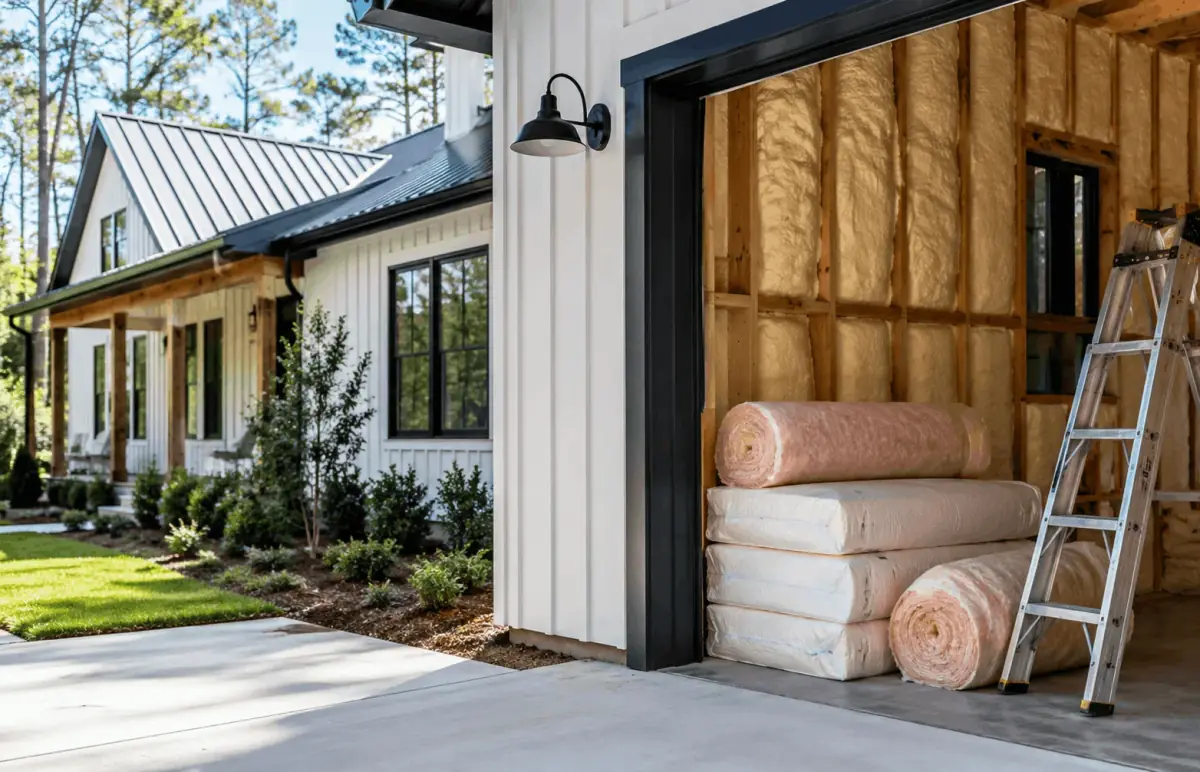
Most insulation advice you will read online was written for places that get cold. Up north the enemy is heat escaping in January, and the details follow from that. Here the load runs the other way for eight or nine months, the sun beats on a roof that turns an attic into an oven every afternoon, and humidity is a year-round factor rather than a summer nuisance. That changes the priorities. Depth over the ceiling earns its keep, because that is the surface taking the beating. Air sealing carries more weight than it would in a dry climate, because leaked air brings water with it. And the moisture side of the decision, where vapor goes, what happens in a crawlspace, whether a material can dry out if it ever gets wet, is not a footnote here. It is often the thing that decides which material we put in.
Four Things Worth the Money
The bill stops climbing
Bringing an under-insulated attic up to depth and sealing the leaks typically trims 15 to 20% off HVAC costs here.
The house evens out
The back bedroom nobody uses in August is usually a symptom of something specific, and often a fixable one.
The air feels drier
Keep humid outdoor air from being pulled in and your AC spends less of its capacity wringing water out.
Less of the outside gets in
Denser material and a tighter ceiling take some edge off road noise and hard rain. A side effect, but a welcome one.
R-Value Is the Starting Point, Not the Answer
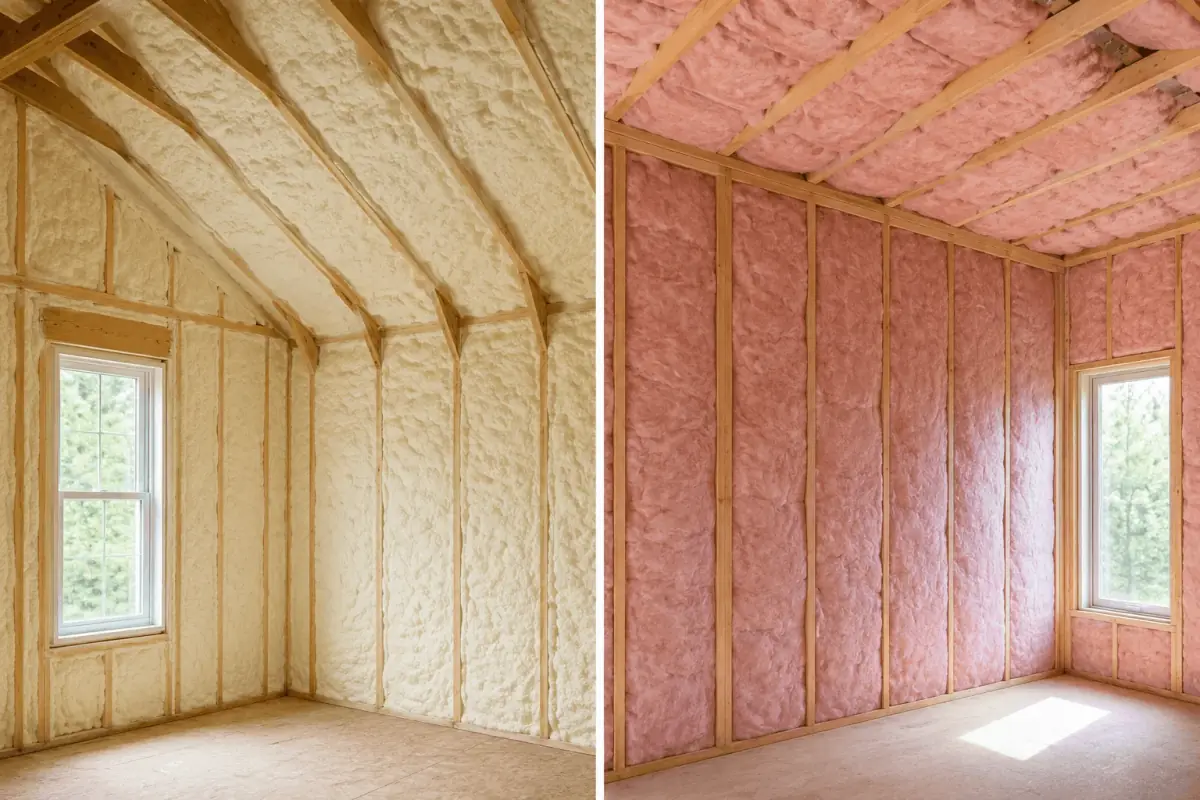
R-value per inch is the number everyone compares, so start there: spray foam runs R-6.0 to R-7.0, fiberglass R-3.0 to R-4.3, and blown-in R-3.2 to R-3.8. Read that list cold and foam wins every time. In a real attic it often does not, because the question is rarely which material is best in the abstract. It is what your house can accept. An open attic floor with room to work does not need the most expensive material, it needs depth, and blown-in gets there for less while filling around framing and wiring without leaving gaps. Foam earns its price where depth is impossible or where sealing and insulating have to be the same act: a vaulted ceiling, a shallow attic, a roofline you want brought inside the envelope. Batts suit clean, accessible joist bays. For a vented attic in this climate zone the Department of Energy points to R-30 to R-49, and where your house lands in that band depends on what is already up there and how the attic is built. We will tell you which material we are recommending and why, and if the cheaper one is the right one, we will say that too.
The Symptoms We Hear Most
Homeowners rarely call us about insulation. They call about one of these, and insulation turns out to be part of the story:
- One room that runs hot no matter where you set the thermostat
- An AC that runs and runs and still loses ground in the afternoon
- Summer power bills you have stopped opening carefully
- An attic where you can see the joists standing above the insulation
Here is the part we would rather say early. Every one of those symptoms has causes that have nothing to do with insulation. A hot room can be a duct that fell apart in the attic, a supply run too small for the space, or three exterior walls facing the wrong way. A system that cannot keep up may be undersized, low on charge, or simply at the end of its life, and a perfect attic will not save it. Rising bills track rates and usage as much as anything in your ceiling. We are insulation contractors. That is the whole trade, and it means we are not going to diagnose your HVAC or quote you a fix for a problem that is not ours to fix. If we get up there and the honest finding is that your ducts or your equipment are the issue, we will tell you and point you to someone who does that work, even though it means we do not sell you anything that day.
Why We Need to See It
Nobody can plan this from a phone call, and a contractor who quotes your house sight unseen is guessing at your expense. So we come out, get in the attic, look at the crawlspace if you have one, and check what is actually there rather than what the plans say should be. We are looking at depth, at whether the material is dry and clean, at where air has clearly been moving, at how the ducts run, and at how the house is built. Then we sit down and go through it with you in order of what returns the most, which is usually the attic and the sealing beneath it, and what can wait or be skipped. You get it in writing with the material and the R-value named. Nothing needs deciding while we are standing there.

You Tell Us the Symptom
The hot room, the bill, the smell, the noise. Start with what bothers you, not with which service you think you need.
We Look at the House
Attic, ceiling plane, crawlspace, how the ducts run. What we find decides the recommendation, in that order.
You Get a Plan and a Price
Written, itemized, ranked by what returns most. Including the line that says which parts you can skip for now.
We Do the Work
Sealing first, then insulation to the agreed depth. We walk you through what was done before we pack up.
Why Nobody Can Quote This Over the Phone
Two houses with identical square footage can be thousands apart, and none of the reasons are visible from the curb:
- How much area is being covered, and how much of the house is even in scope
- Which material the house calls for, since foam and blown-in are nowhere near each other on price
- Where in the R-30 to R-49 band we are aiming, and how far from it you are starting
- What it takes to physically work in there, since a low truss attic doubles the effort of a walkable one
- Whether the old material can stay put, or whether removal has to come first
If you want to understand the ranges before anyone comes out, our guide to insulation costs in Florida lays them out, and spray foam versus fiberglass covers the comparison people ask about most. When you are ready for a real number, ask us for a written estimate.
Homes Across Three States
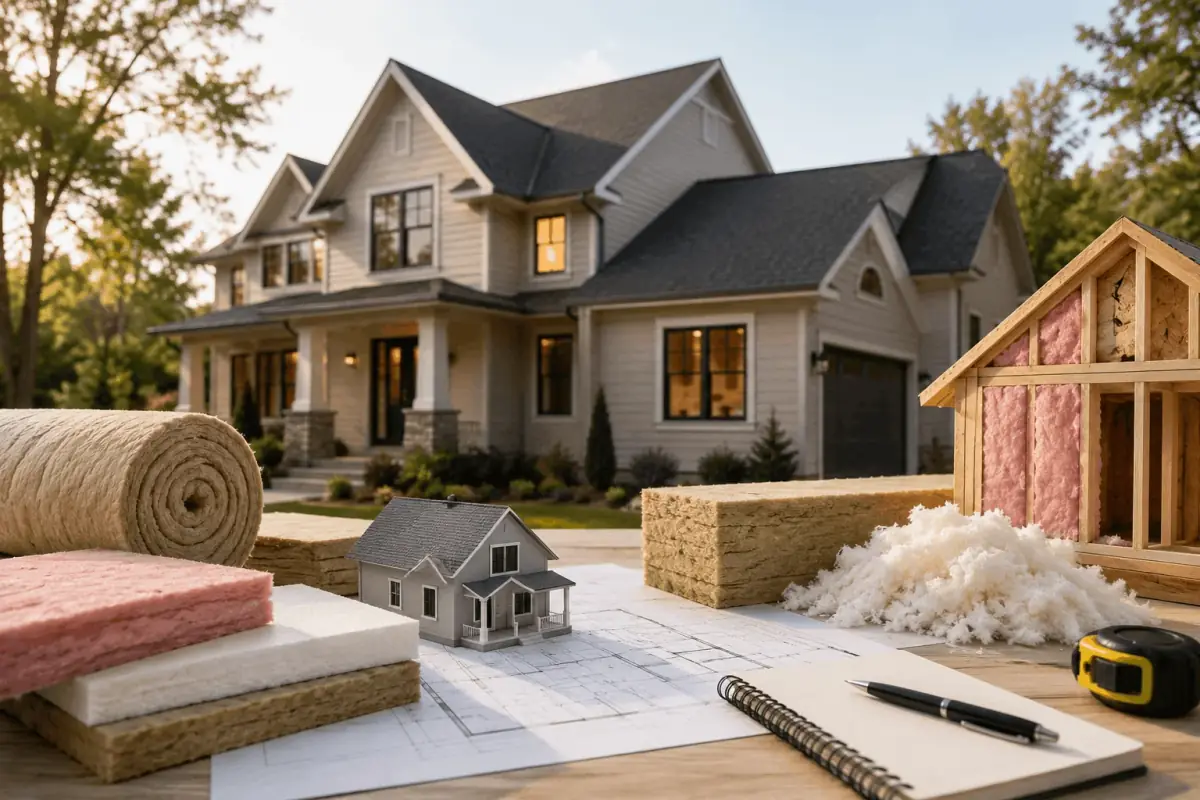
Wewahitchka is home, and from there we reach the Gulf and Bay coast, the central Panhandle, Tallahassee, the Emerald Coast, the Pensacola area, the Alabama Wiregrass, and South Georgia. Start with your town:
The Three Most Homes Start With
Attic Insulation
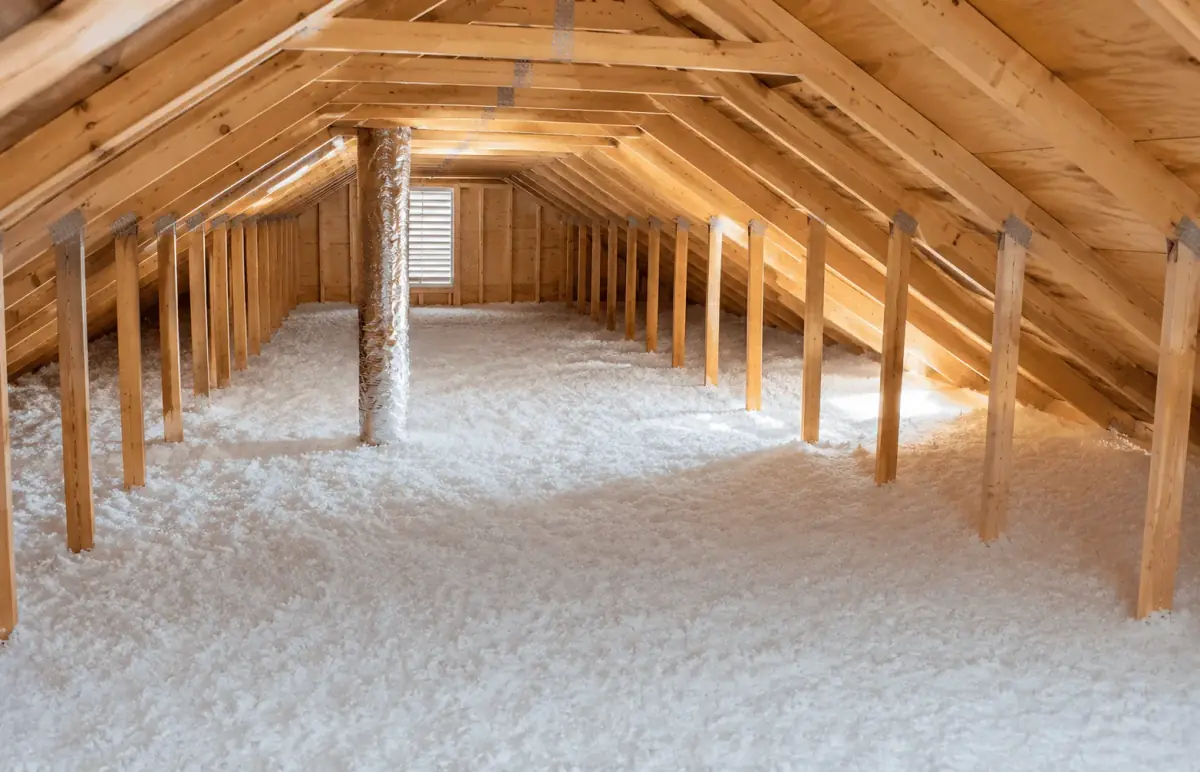
Where nearly every project here begins, because the ceiling is the surface taking the worst of a Florida summer.
Learn more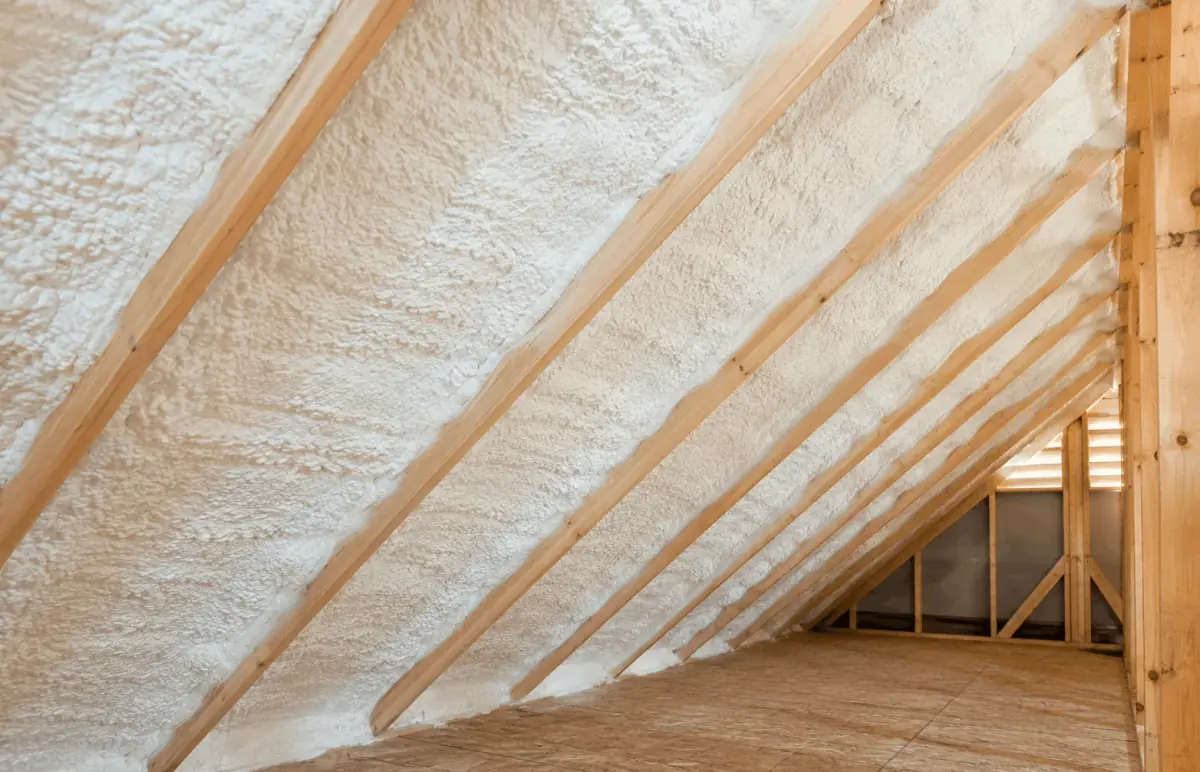
Spray Foam Insulation
The highest R per inch and the highest price. Right for vaulted ceilings and tight attics, overkill for plenty of others.
Learn more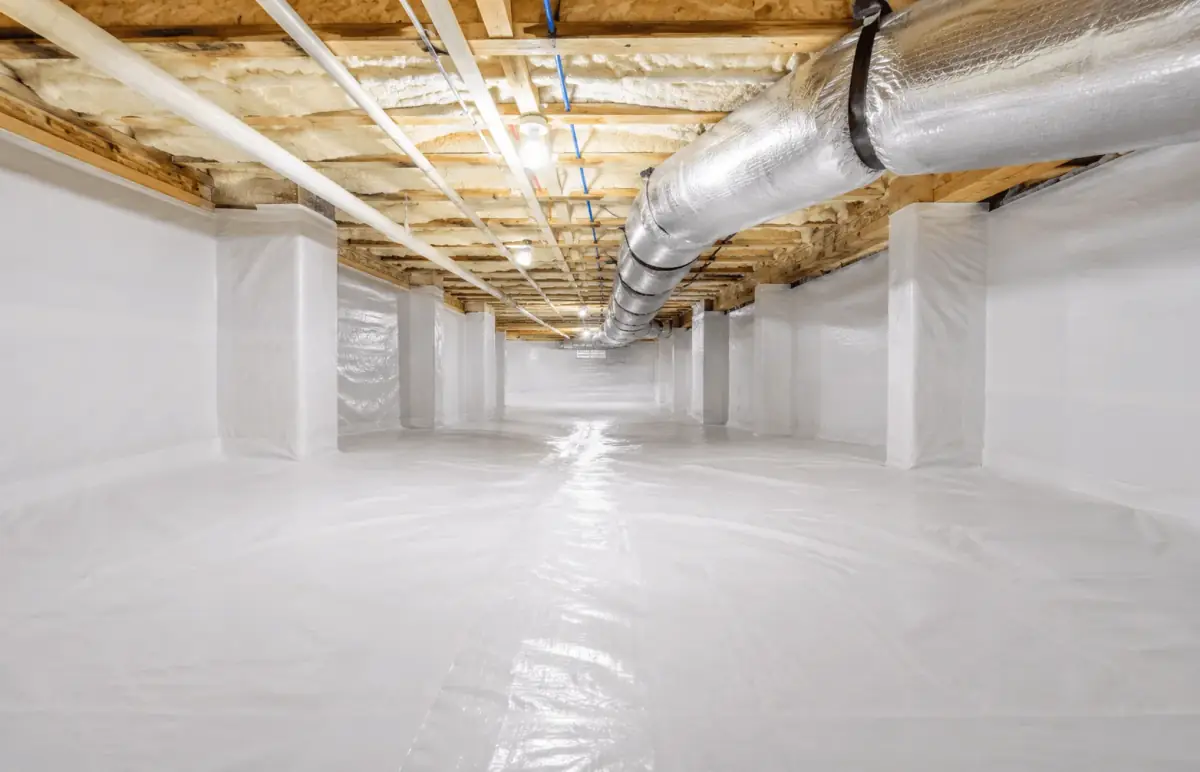
Crawlspace Insulation
The half of the house nobody looks at. If yours sits over one, what happens down there reaches your floors.
Learn moreWhat Homeowners Want to Know First
What's the best insulation for a Florida home?
There is no best one, which is an unsatisfying answer, so here is the useful version. For the majority of homes around here, the combination that does the most is a sealed ceiling plane with blown-in or batt insulation brought up to depth above it. That is unglamorous and it is usually correct. Spray foam is genuinely the right answer in specific situations, a vaulted ceiling with no room for depth, a shallow attic, a plan to bring the roofline inside the conditioned space, and it costs accordingly. The mistake we see is picking the material first and then looking for a reason. Look at the house, then pick.
Is there a way to tell if my attic is short on insulation without hiring anyone?
There is, and you do not have to climb in to do it. Open the hatch on a cool morning, shine a light across, and look at the joists. If you can see the tops of them standing above the insulation, you are well short, probably somewhere around R-19 or less, against the R-30 to R-49 this climate zone calls for. If the insulation is level with the joists you are still light. Buried joists mean you are in decent shape on depth, which does not tell you anything about air sealing, but it does tell you depth is not your problem. That is as far as we would take it from the hatch. Anything past looking, especially if what you see is dark, damp, or has droppings in it, is worth having someone with the right gear handle.
Will new insulation really lower my energy bills?
Usually, and the reason is our cooling season rather than anything clever. When a house is being conditioned eight or nine months a year, an under-insulated attic is paying a penalty most of the year rather than one season of it. Bringing that attic up to depth and sealing the leaks under it typically cuts HVAC costs by 15 to 20%. The honest caveats: that figure assumes you are starting from a genuinely under-insulated attic, so a home already close to spec has less to gain. Savings also get muddied by rate changes and by how you actually run the thermostat, which is why comparing this July to last July never quite settles the argument. And if your ducts leak or your equipment is on its way out, the number will disappoint you until those are sorted. Comfort tends to be the change people notice first, before the bill.
Do you work on new construction or only existing homes?
Houses either way, and that is the line that matters to us. Most of what we do is improving homes people already live in, which is a different animal from new work: the attic has thirty years of history in it, access is whatever the builder left you, and there is furniture underneath. We also take on new-home and remodel projects, where the advantage is obvious, since open walls and an empty attic let you do the sealing properly instead of reaching around what is already there. What we do not do is step outside residential. We are an insulation contractor for houses, and not a general contractor. Homes are the whole trade here. If you are planning a build or a remodel, talk to us early. Insulation is easy to get right before the drywall goes up and expensive to fix afterward.
Nothing Decided on the Spot
You get the plan in writing, itemized, with the material and R-value named and the work ranked by what it returns. Take a week with it. Take it to someone else. It was written to be compared.
Describe the Problem, Not the Product
You do not have to arrive knowing the difference between blown-in and foam, sealing and depth, removal and a top-up. Tell us what the house is doing and we will work that part out. Send the form or call.
- Someone actually gets in the attic before anything is quoted
- Houses only, since 1994, and the same family still runs it
- Licensed and insured, BBB A+ accredited
- We will point you to another trade when the problem is theirs
Talk With Us About Your Home
Not sure which service you need? That is what this is for.
Start With a Conversation About the House
Family owned in Wewahitchka since 1994, insulating homes across the Panhandle, South Alabama, and South Georgia. Monday through Friday, 7:30 AM to 3:30 PM.