
Insulation Removal Across the Florida Panhandle
Some insulation is past saving. When that is the case, getting it out cleanly is its own job, and it should not end with your hallway full of what came down from the attic.
Read This First: Are You Sure You Want Removal?
These two pages get mixed up constantly, so here is the distinction before anything else. Insulation removal is one service: getting the old material out of your attic or crawlspace and off your property. That is where it stops. Insulation replacement is removal plus everything after it, sealing the ceiling plane and installing new insulation to depth, quoted as one project.
Most homeowners who call us about removal actually want replacement, because an empty attic is not a finished attic. Removal on its own is the right ask in a narrower set of cases: you are gutting the house and the insulation has to be gone before other trades can work, a remediation or pest company needs the attic cleared before they can treat it, an insurance claim requires the damaged material documented and removed, or you are handling the reinsulation yourself later. If none of those describe you, the replacement page is the one you want.
What Puts Insulation Past Saving
Insulation comes out when it can no longer do its job or when leaving it in place would trap a problem. Rodent and pest contamination is the most common reason we see, since droppings and urine soak into the fiber and the odor does not air out. Water is the next: a roof leak or a burst supply line mats fiberglass flat and it does not spring back. Then mold growth on the material itself, smoke damage after a fire, and insulation that has simply compressed over thirty or forty years into a thin gray mat. Vermiculite is its own category, and it is covered further down this page.
People come to this in different words. Some search old insulation removal, some attic insulation removal, some damaged insulation removal after a leak or an animal problem. It is one job on our end: getting compromised material out of the attic and off your property. If you have been looking for insulation removal companies across the Panhandle, that is the work described here, priced only after we have looked in the attic.
Water and Wildlife, Mostly
Attics in this part of the country stay warm and humid for most of the year, which is a good environment for almost everything you do not want up there. Storms and roof leaks put water into insulation that then dries slowly, if at all. Rural and wooded lots put squirrels, rats, and mice against a soffit that has one loose piece of trim, and once they are in, attic insulation is exactly the nesting material they were looking for. Coastal and older housing stock adds its own wrinkle, since a roof that has been patched a few times over the decades has usually let something through at some point. None of this reflects badly on the homeowner. It is simply what a hot, wet climate does to a material that was never meant to get wet.
What Clearing the Attic Actually Does
The mess stays contained
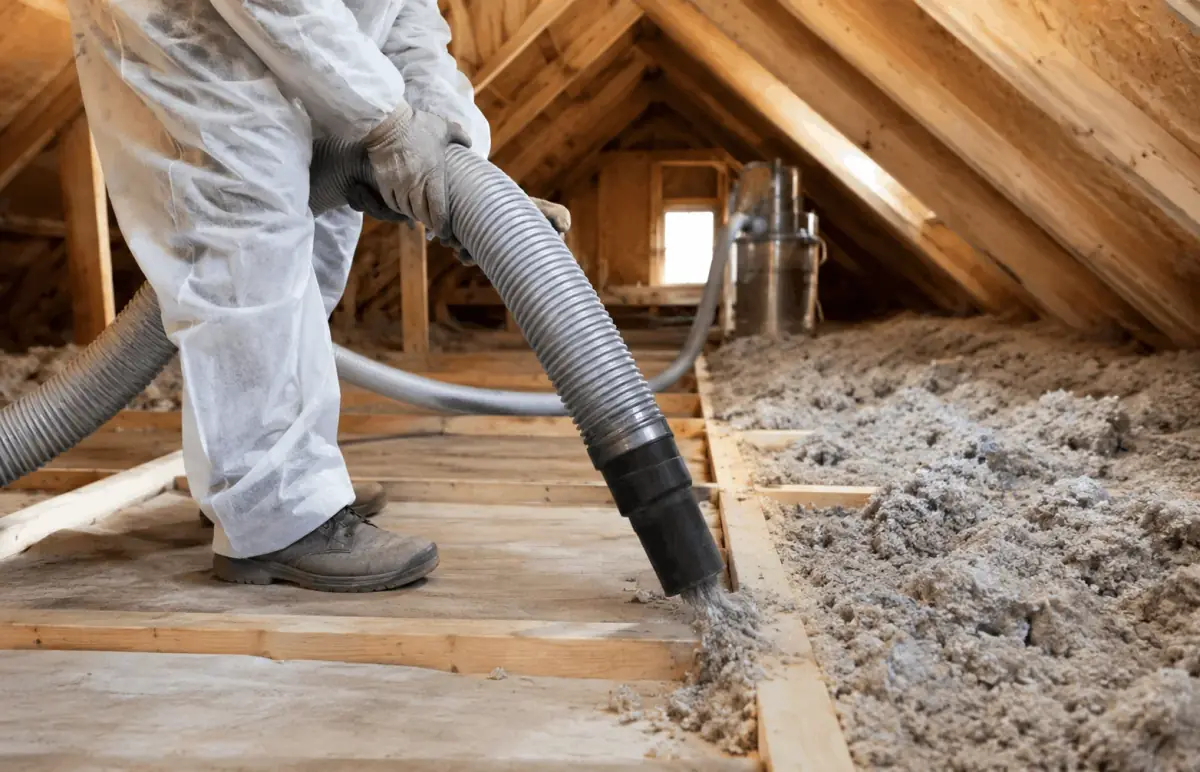
Material goes into a vacuum hose and out to the truck. It does not travel through your house in armloads.
The smell leaves with it
Musty and animal odors live in the material. Air fresheners and fogging do not fix what soaked into the fiber.
The deck becomes visible
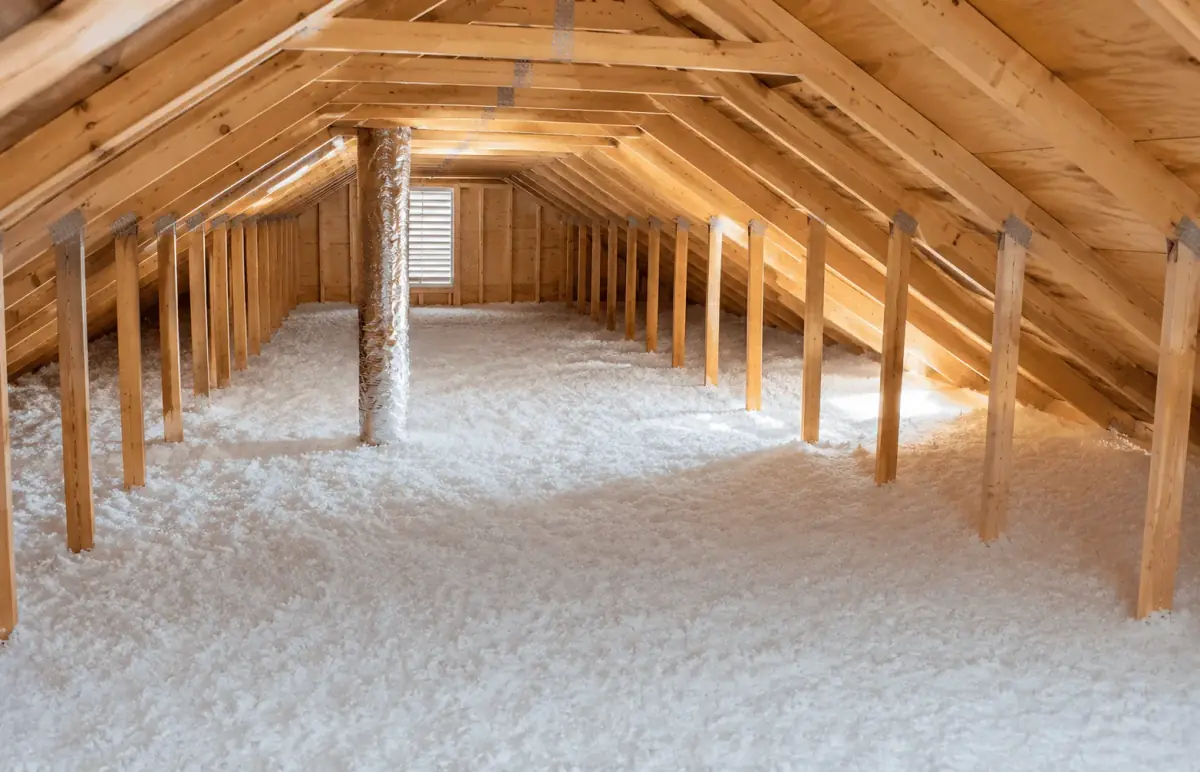
With the attic cleared, damage to sheathing, joists, and wiring is finally something you can see and address.
Other trades can get to work
Pest, remediation, roofing, and electrical work all go faster in an attic that is empty rather than knee-deep.
Why This Is Not a Weekend Project
Clean, dry fiberglass in a roomy attic is one thing. Contaminated insulation is another, and we would rather you hear this plainly: do not go up and start pulling out material that has been rained on, nested in, or burned. Rodent-fouled insulation is disturbed dust you end up breathing, and in this region that is a real health concern rather than a sales line. Fire-damaged material carries soot and whatever burned with it. Anything wet and dark has been growing something. On top of that, a Panhandle attic in summer is hot enough to put people in trouble fast, the footing is joists and nothing else, and a misplaced knee comes through a ceiling. If your home was built before the early 1990s, there is also a chance of vermiculite, a pebbly, gray-brown material that can contain asbestos. If you see it, close the hatch, leave it alone, and have it tested. That one is not ours to remove, and anyone who offers to scoop it out without testing is someone to walk away from.
What Tends to Bring Us Out
You can spot most of this from the hatch with a flashlight, without climbing in. Any of it is worth having someone check properly:
- Droppings, tunneling, or scratching noises overhead at night
- A brown ceiling stain, or insulation that stayed flat and dark after a leak was fixed
- An odor that gets stronger when the AC runs or when you open the attic
- A remediation, pest, or roofing contractor who told you the attic has to be cleared first
And the part most companies leave off: plenty of attics we look at do not need clearing at all. If the existing insulation is dry, clean, and free of pests, taking it out is throwing away material that still works, and you would be paying twice, once to remove R-value and again to buy it back. In that situation the better answer is usually to seal the ceiling and blow new insulation on top of what is already there. Removal also solves nothing by itself if the cause is still in place. Pull out rodent-fouled insulation without closing the entry point and they come back to fresh bedding. Clear out water-damaged material while the roof still leaks and you have bought yourself a repeat. Sequence matters more than speed here.
How the Material Gets Out
The equipment does most of the talking. A vacuum unit sits outside, usually at the truck, and a wide hose runs in through a window or the attic access to a collection bag. Old insulation goes down that hose and never crosses your living space loose. Before any of that starts, we cover the path from the door to the hatch and seal off the opening so attic dust stays on the attic side. Crews working in contaminated material wear respirators and suits, which is not for show. Afterward the material is disposed of properly, and we clean down what we can reach. You should plan on being able to use your home that day, though the room nearest the access will be busy and loud, and pets are better off somewhere else in the house.

See What Is Up There
We identify the material, how far the damage runs, and whether all of it needs to go or only part of the attic. You can do the first part of that yourself: here is how to tell what is already in your attic.
Sort Out the Order
If a roofer, electrician, or pest company also has work to do, we figure out who goes first so nothing gets done twice.
Cover and Contain
Floors protected, a path laid, the access sealed around the hose. Containment goes in before the vacuum switches on.
Extract and Haul Off
Material goes out through the hose to the truck and leaves with us. We clean down the space and show you the bare deck.
Why Two Attics the Same Size Quote Differently
Removal is priced on volume and difficulty, and difficulty varies far more than square footage does. What we are weighing:
- How much material is actually up there, since depth matters as much as floor area
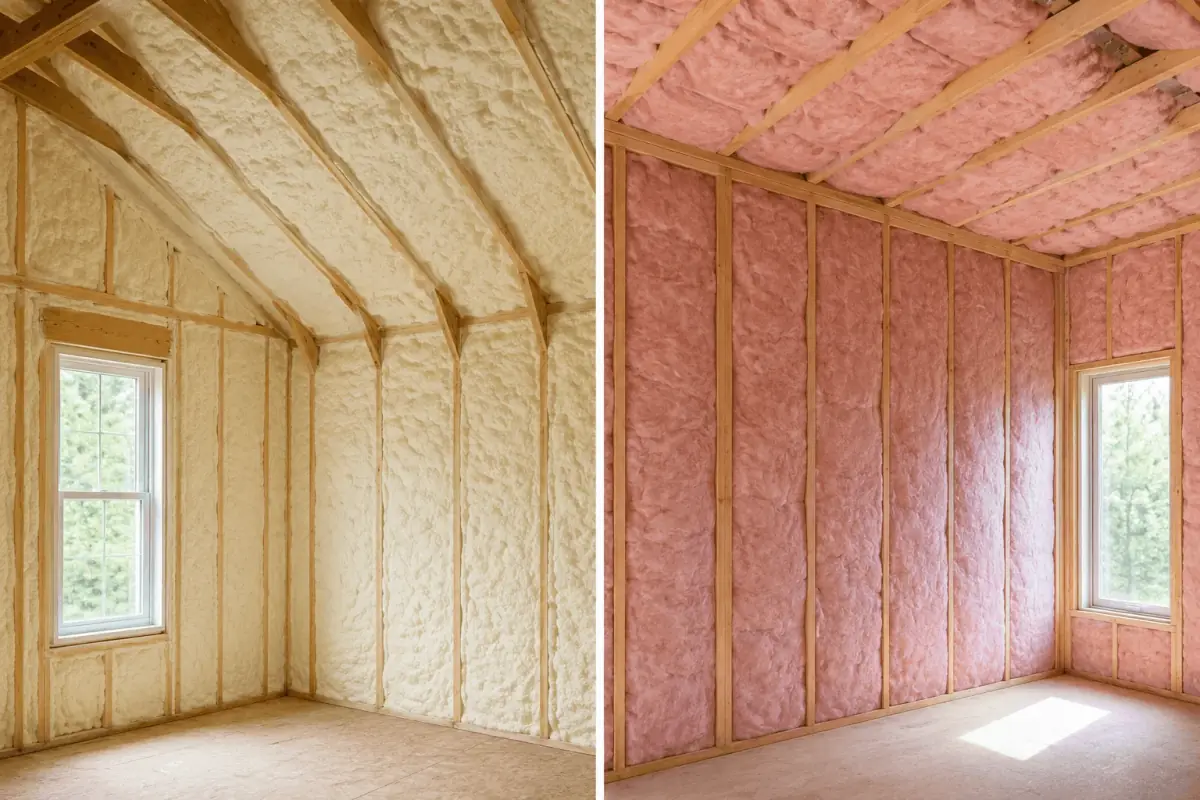
- What it is, since loose blown material vacuums out while old batts have to be pulled and bagged by hand
- How far the hose has to run and whether a crew can stand up once they are in there
- Disposal volume, plus the extra containment and protective gear contaminated material calls for
- Whether new insulation follows, because removal quoted inside an insulation replacement project costs less than removal on its own
The only way to price this honestly is to look in the attic, so ask us for a written estimate and we will come see it. Our guide to insulation costs in Florida is worth reading beforehand if you want a sense of the landscape.

Where We Take This Work
Removal crews run from Wewahitchka out across the Panhandle, into the Alabama Wiregrass, and up into South Georgia. Some of the places we go:
Where Homeowners Go From Here
Insulation Replacement
The same removal work, quoted together with sealing and new insulation. This is what most people picture when they call about removal.
Learn more
Attic Insulation
What goes back down once the deck is bare. An empty attic is a starting point, not a finished job.
Learn more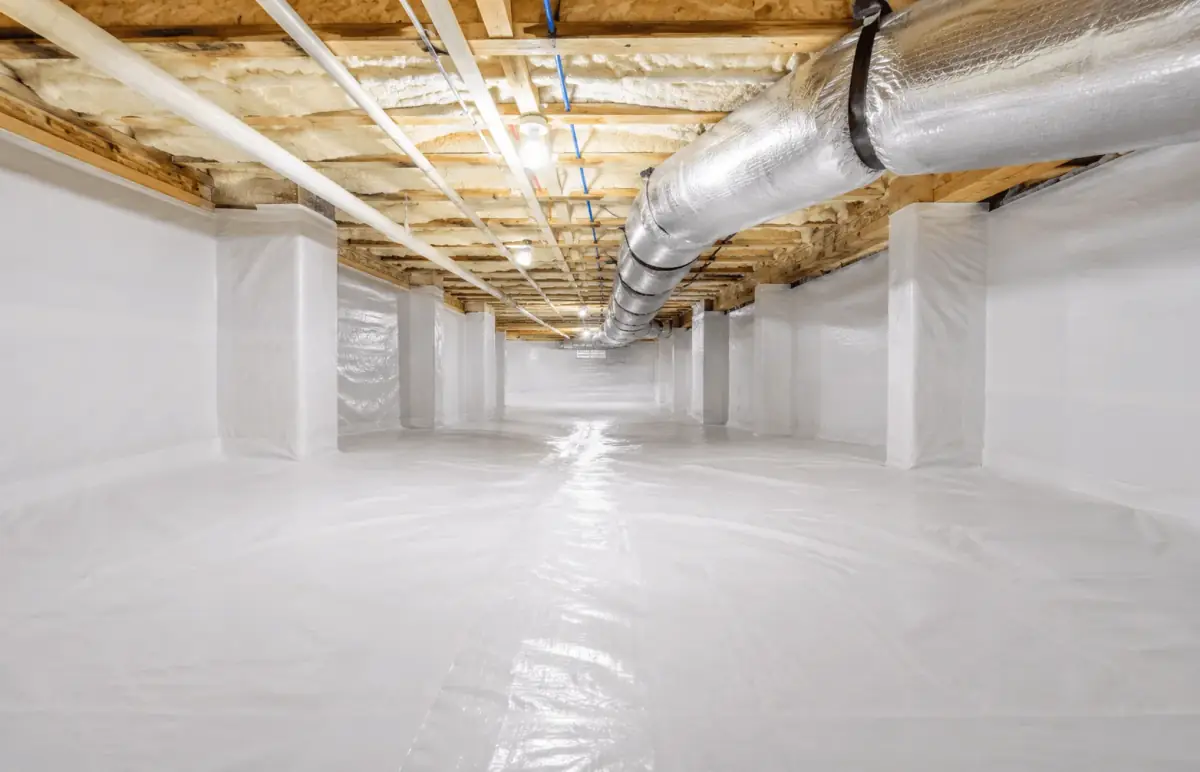
Crawlspace Insulation
Crawlspaces get cleared out for the same reasons attics do, usually water or animals, and the work runs much the same way.
Learn moreWhat People Ask Before Booking Removal
When does insulation need to come out instead of just being topped up?
The test is contamination, not age. Insulation that is wet, moldy, fouled by rodents, or smoke damaged has to go, because blowing new material over it seals the moisture and the odor in and you will smell it every summer afterward. Insulation that is merely old, thin, or settled is a different story: it is still doing something, and adding depth over it is usually the cheaper and better move. We will tell you which one you have, including when the answer means a smaller job than you were expecting.
How messy is this going to be inside my house?
Less than you are picturing, because the material never travels through your rooms loose. It goes down a vacuum hose straight to a collection bag at the truck. We cover the walkway, seal around the attic access, and keep the dust on the attic side of the ceiling. Be realistic about two things, though: it is loud, and the room under the hatch is going to be a work zone while we are there. Some fine dust settling near the access is normal, and we clean that down before we leave.
We had rats in the attic. Can I just pull the insulation out myself?
Please do not. Rodent-fouled insulation is the one case where we will tell a capable homeowner to stay out of the attic. Dragging that material around puts dried droppings and urine into the air in a confined, hot space, and that is a genuine health risk, not a liability disclaimer. Add an attic that runs well over a hundred degrees by midday, footing that is nothing but joists, and a respirator you probably do not own, and the math stops working. Get the pest company to close the entry points first, then have the fouled material vacuumed out by someone with the containment and the gear for it. Doing it in that order is what keeps them from moving back into fresh bedding.
What is the difference between insulation removal and insulation replacement?
Scope. Removal ends when the old material leaves your property, and you are left with a bare attic deck. Replacement covers that same removal and then keeps going: sealing the ceiling plane and installing new insulation to the depth your home should have, priced as one project. Removal by itself makes sense when someone else needs the attic empty, a gut renovation, a pest or remediation contractor, an insurance claim, or a homeowner who plans to reinsulate later. If you just want the bad insulation gone and good insulation in its place, ask us to quote replacement. It is cheaper than buying the two halves separately.
Priced After We Look, Not Before
Nobody can quote an attic clear-out sight unseen and be honest about it. We come look, then put the volume, the disposal, and the containment in writing. If it turns out your insulation should stay, that is what the estimate will say.
Tell Us What You Found Up There
Droppings, a stain spreading across the ceiling, a smell you cannot place. Describe it and we will come look, tell you whether it all has to go, and price it in writing. Send the form or call us.
- Contained extraction, with the material hauled off by us
- Three decades of Panhandle attics, family owned since 1994
- Licensed and insured, BBB A+ accredited
- We will say so when your insulation should stay put
Ask About Insulation Removal
Describe what is in the attic and we will take it from there.
Let's Get That Material Out of Your Attic
A family-owned crew out of Wewahitchka, at this since 1994, available Monday through Friday, 7:30 AM to 3:30 PM.