
Insulation Replacement for Older Northwest Florida Homes
One project, two halves: what failed comes out, and what your house should have had all along goes back in.
One Job, Not Two Contractors
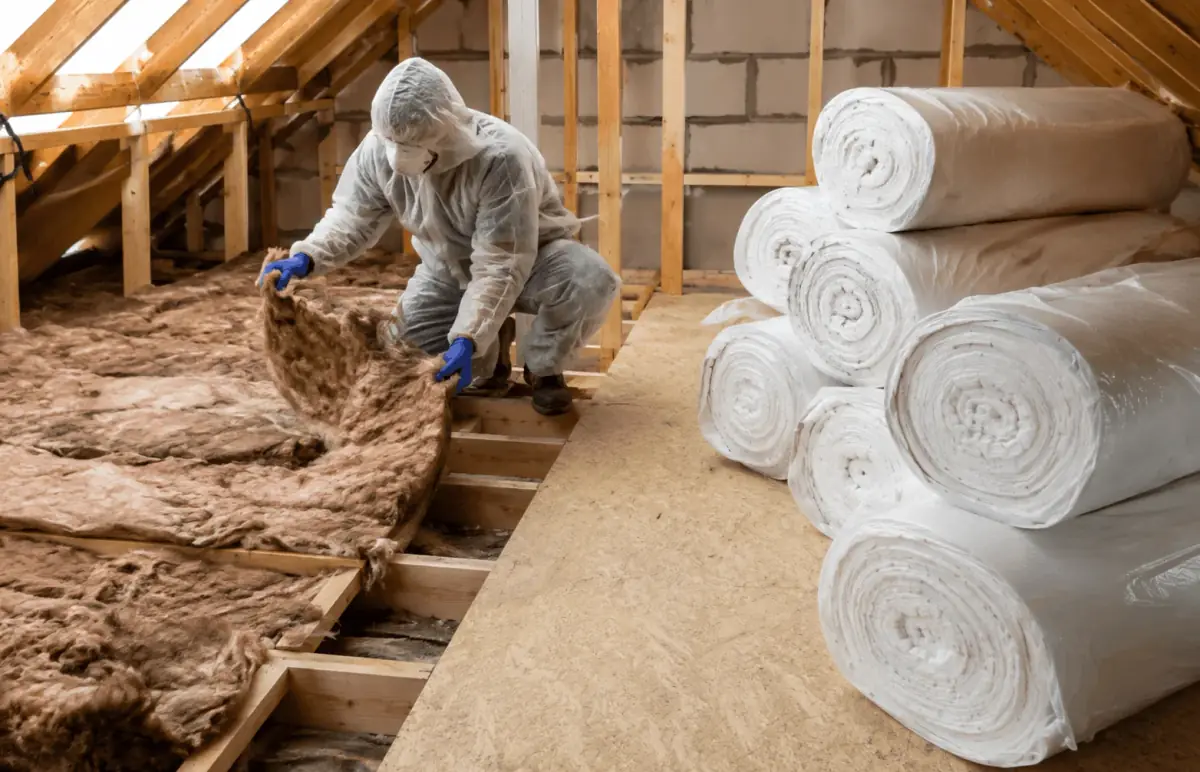
Insulation replacement is a single project with three parts that happen in order: the old material comes out, the ceiling plane gets sealed while it is bare and reachable, and new insulation goes in to the depth your home should have. The middle step is the one people do not think to ask for, and it is the whole reason replacement beats hiring removal and reinsulation separately. With the deck exposed, every gap around a plumbing stack, a light housing, a top plate, is sitting right there in plain view. Seal them then and it costs almost nothing extra. Come back to seal them after twelve inches of new insulation is down and you are paying someone to dig it all back up.
The line between this page and insulation removal is simple. Removal ends with an empty attic and stops there, which is what you want if a renovation, an insurance claim, or a pest contractor needs the space cleared. Replacement ends with an attic that works.
What Puts a Home on This Path
Two different stories, usually. The first is sudden: a storm opens the roof, a supply line lets go, or something moves into the attic, and insulation that was fine last year is now unsalvageable. The second is slow enough that nobody notices it happening. Blown material compacts under its own weight across three decades, batts sag away from the joists, and a house that met code in 1985 sits at a fraction of what the same house would be built to today. Nothing dramatic ever went wrong. The insulation just quietly stopped being enough, and the power bill absorbed the difference.
Thin Insulation Costs More Here Than Almost Anywhere
By mid-afternoon in July, the air in a Florida attic can push past 130F. With only a thin, settled layer beneath it, that heat presses down through the ceilings all afternoon and the AC never quite gets ahead of it. A cooling season that runs eight or nine months long means the penalty for under-insulation is not a January inconvenience, it is most of the year. The same climate is what wore the insulation out to begin with: humidity that never really lets up, storms that find the weak spot in a roof, and warm attics that suit rodents fine. Replacing worn material is worth doing on its own merits. Just do not skip the question of what wore it out.
What Homeowners Tell Us Afterward
The afternoon slump eases
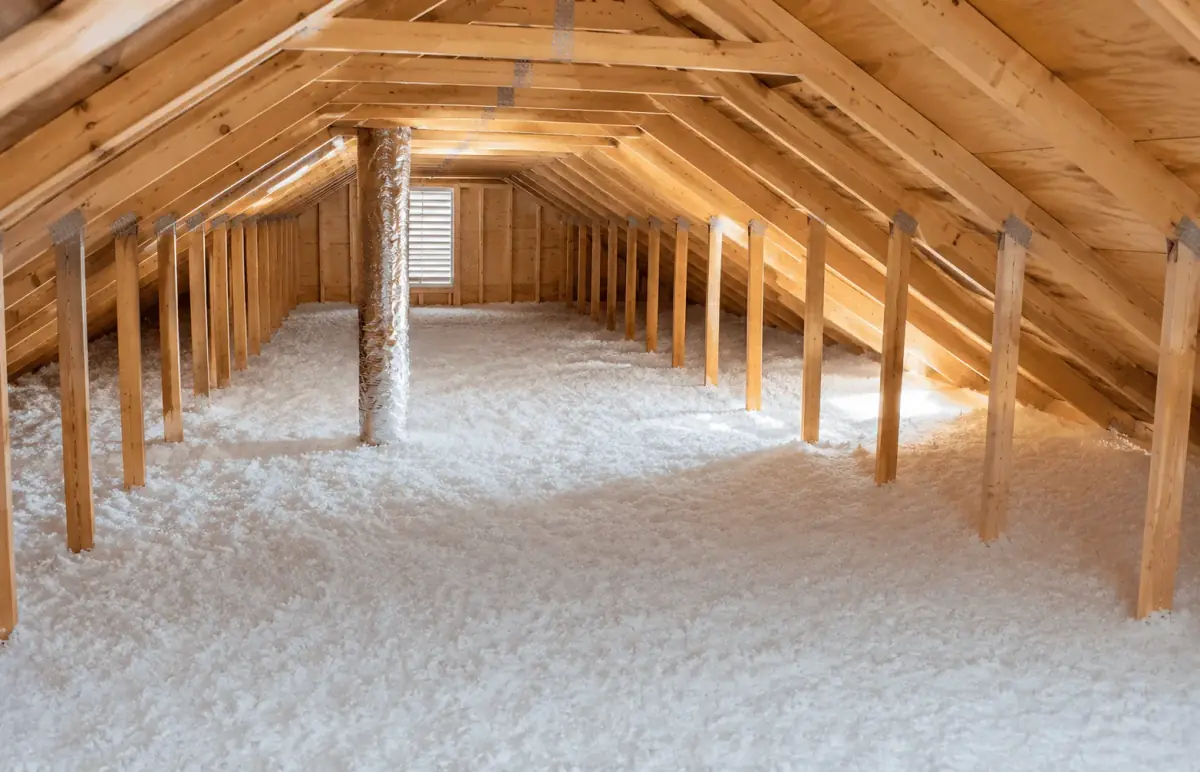
Full depth over a sealed ceiling means the house stops giving up ground between three and six o'clock. Before that, it helps to know whether the material already up there is still doing its job.
The smell finally goes
Odor from wet or fouled material leaves with the material. Covering it over never worked, which is why it kept coming back.
One trip up, one trip down
Sealing while the deck is bare adds little to the price. Doing it later means digging back through what you just paid for.
You know what is up there
An attic that was a mystery for twenty years becomes a space someone has actually seen, cleared, and documented.
Replacement Is Also a Chance to Change Your Mind
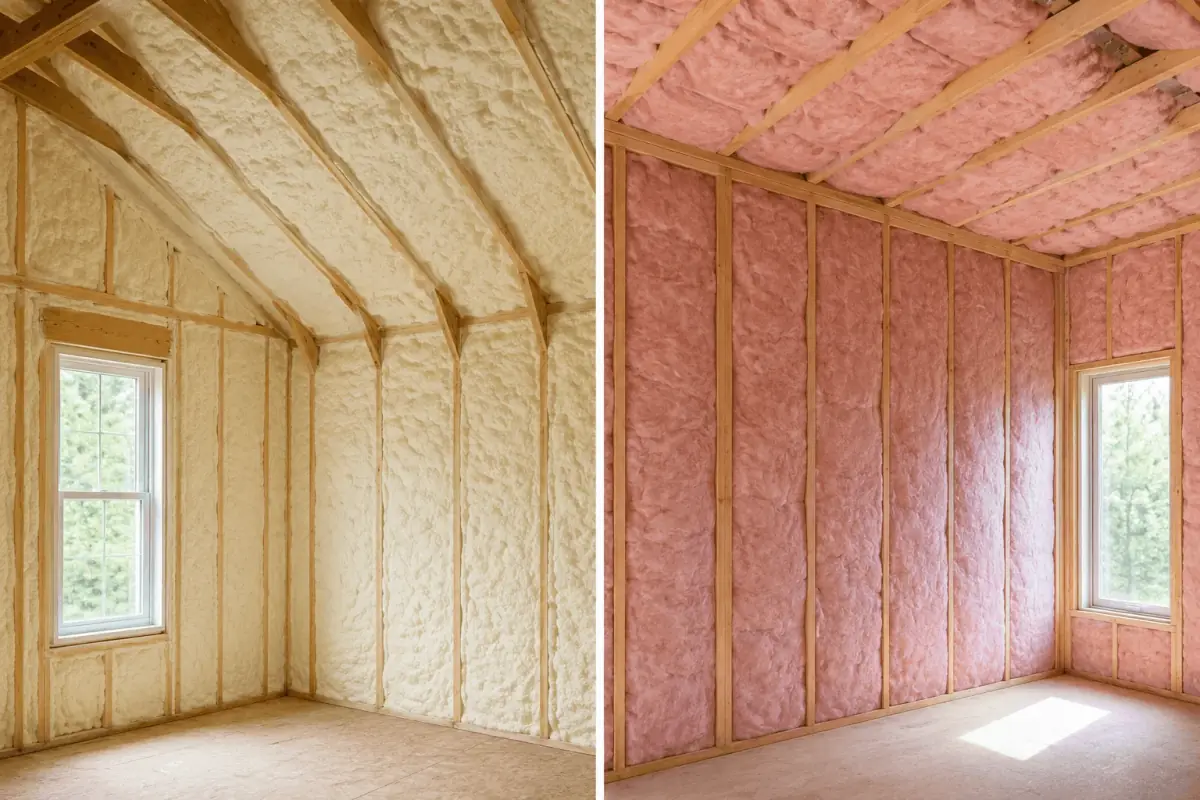
You are not obliged to put back what came out. With the attic empty, the choice reopens, and the honest version is that it depends on the house. Blown-in runs R-3.2 to R-3.8 per inch and is the practical answer for most open attic floors, since it fills around wiring and framing without leaving voids. Fiberglass batts sit at R-3.0 to R-4.3 per inch and suit tidy, accessible joist bays. Spray foam delivers R-6.0 to R-7.0 per inch and seals as it goes, which earns its cost in a vaulted ceiling, a low attic where depth is not available, or when the plan is to bring the roofline inside the conditioned envelope. It is also the most expensive by a distance, and plenty of attics do not need it. For a vented attic floor in this climate zone, the Department of Energy points to R-30 to R-49, and we will tell you where in that band your house lands and why, before anything is ordered.
What Usually Tips the Decision
Replacement rarely announces itself. It builds, and then something makes you finally look. The common triggers:
- Insulation you can see the tops of the joists through
- A roof going on soon, which is the cheapest moment to deal with the attic underneath it
- A storm, a leak, or an animal problem that reached the attic and was never followed up on
- A house old enough that whatever is up there was the minimum at the time
Where we will talk you out of it: if the insulation up there is dry, clean, and unbothered by pests, replacing it is a waste of your money. Removing R-value only to buy the same R-value back accomplishes nothing. Sealing the ceiling and blowing new material on top of the existing layer gets you the same depth for less, and that is what we will quote. The other limit worth naming is that insulation is not an HVAC repair. If your ducts are leaking conditioned air into the attic, or your system is undersized, aging, or short-cycling, a perfect attic will not rescue it. We would rather tell you that at the estimate than have you spend the money and still be uncomfortable in August.
Order of Operations, and Why It Is Not Negotiable
Everything about this job depends on doing it in the right order, and the part that trips people up is what happens between removal and reinstallation. If a roof needs work, or a leak needs fixing, or an electrician has something to correct, or a pest company needs to close entry points, all of that belongs in the window when the deck is bare. Blow new insulation in before those are done and someone will be tearing it back out. So we clear the material, seal the ceiling plane while every penetration is visible, wait for whoever else needs access, and only then install the new insulation to depth. Prep on your side is light: clear a path to the attic access, move what you are storing up there out beforehand, and plan on somewhere else for pets while the vacuum is running.

Take It Out
The old material goes down the hose and off the property, with the access sealed and your walkway covered.
Seal While It Is Bare
Every penetration through the ceiling is visible exactly once. This is that window, and we use it.
Let Others In
Roofer, electrician, pest company. If anyone else needs the empty attic, they get it now, before new material goes down.
Install to Depth
New insulation blown or laid to the agreed R-value, even across the whole plane, and we show you the finished depth.
You Are Paying for Two Halves
A replacement quote covers the taking-out and the putting-in, and either half can dominate depending on the house. The variables:
- Whether the whole attic is coming out or only the section that got wet
- Volume and condition of what comes out, plus hauling and disposal
- Which material goes back in, since foam and blown-in are not close on price
- How much sealing the bare deck turns out to need once we can see it
- Access, headroom, and how far the hose has to travel to reach the truck
We put both halves on the estimate as separate lines, so you can see what the removal costs and what the new insulation costs rather than one number with no explanation. Ask us for a written estimate whenever you are ready, and read our guide to insulation costs in Florida if you want the wider picture first.

Homes We Reinsulate
From our shop in Wewahitchka we cover the Gulf and Bay coast, the central Panhandle, the Tallahassee capital region, the Emerald Coast, and on into South Alabama and South Georgia. A few of those towns:
What Makes Up a Replacement
Insulation Removal
Clearing the attic without reinsulating it. The page to read if a renovation, a claim, or another contractor needs the space empty and nothing more.
Learn more
Attic Insulation
The second half. If your existing material is clean and dry, this is likely all you need, and it costs less than replacing.
Learn more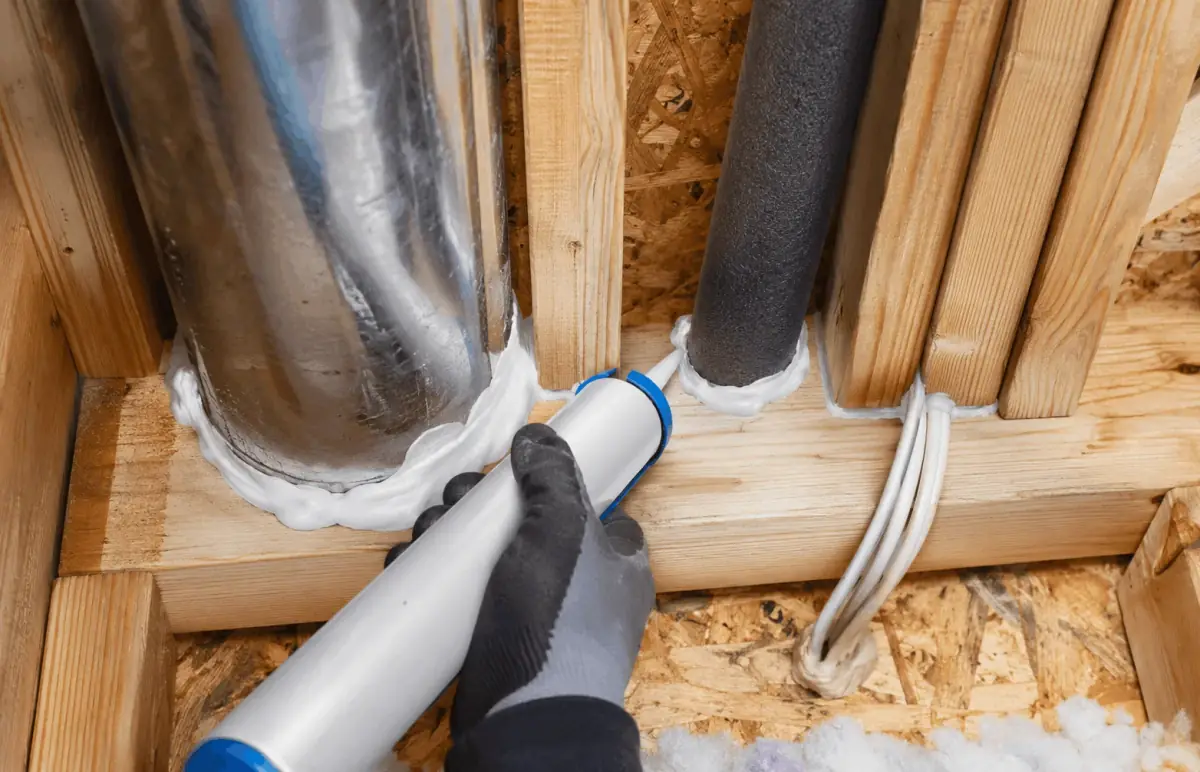
Air Sealing
The step in the middle. A bare attic is the only easy chance you get at the gaps in your ceiling, which is why it belongs in this job.
Learn moreThe Questions Worth Asking Us
Does my insulation need replacing, or can I just add more on top?
Adding on top is the cheaper option and it is the right one more often than people assume. If what is up there is dry, clean, and has not been lived in by anything, it still has R-value and there is no reason to pay to throw it away. We seal the ceiling and blow new material over it, and you get the depth for a good deal less than a replacement would run. Replacement is for material that is compromised rather than just old: wet, moldy, rodent-fouled, smoke damaged. That stuff has to come out, because anything you blow over it traps the moisture and the smell underneath, and you will be living with both. If we look at your attic and the answer is the cheaper one, that is the answer you will get.
Do I need to hire someone separately to haul the old insulation away?
No. That is what makes it replacement rather than two separate jobs. Extraction, hauling, and disposal are all inside the quote, and the old material leaves on our truck. You will see it as its own line on the estimate rather than buried in a total, so you can tell exactly what that half of the work costs. Where you might need someone else is the underlying cause, a roofer for the leak, a pest company for the entry points, an electrician for something we find in the deck. We do not do those trades and we will tell you plainly when one of them needs to come before us.
Will replacing my insulation solve a pest or moisture problem?
On its own, no, and we would rather be blunt about that than take the job twice. Replacement clears out the damage and the odor, but it does not touch whatever caused them. Rodents came in through an opening, and that opening is still there. Water came through a roof or a fitting, and that is still there too. Put new insulation down first and you have simply bought fresh nesting material or something else to soak. So the source gets closed first, then we clear and reinsulate. We are insulation contractors, not roofers or a pest company, so what we do is tell you what we can see, say who you need, and schedule ourselves after them.
Can we stay in the house while this is going on?
Yes, in nearly every case. The work is above your ceiling, the material travels in a sealed hose out to the truck, and we seal around the attic access so the dust stays on the attic side. What you should expect is noise, since a vacuum unit and a blower are both loud, and a busy work zone in whichever room your attic hatch is in. Most people go about their day in another part of the house. Pets are happier shut somewhere away from the equipment and the door traffic. Before we come, clear a path to the access and take down anything you have been storing up there. If your situation is unusual, someone in the home with a respiratory condition, a newborn, a hatch in the only bedroom, tell us at the estimate and we will work around it.
Both Halves, Itemized
Your estimate separates what the removal costs from what the new insulation costs, names the material, and states the R-value we are targeting. Read it, compare it, sleep on it. It is written for that.
Find Out Whether Yours Should Be Replaced
Plenty of attics we are called out to replace turn out to need topping up instead, which is the cheaper job. Have us look before you commit either way. Send the form or give us a call.
- Removal and reinstallation priced as separate lines, not one lump
- Sealing done in the window when the deck is bare
- Licensed and insured, BBB A+ accredited, family owned since 1994
- A recommendation to top up instead, when that is the truth
Talk About Replacing Old Insulation
Tell us the age of the house and what you have noticed.
Your Attic Has Been Waiting Long Enough
Three decades of Panhandle homes, family owned, working out of Wewahitchka. Monday through Friday, 7:30 AM to 3:30 PM.