
Spray Foam Insulation in Northwest Florida
Foam goes on wet, expands in seconds, and hardens into the insulation and the air barrier at the same time. It costs more than anything else we install. On the right house, it is worth it.
Foam, in Plain Terms
Spray foam insulation arrives as two liquids. They meet at the gun, react, and expand within seconds into a solid that grips whatever it lands on. That is the whole trick, and it is the reason foam does two jobs where other materials do one. It insulates, and because it expands into every gap on the way, it closes the air path at the same time. Closed-cell foam runs R-6.0 to R-7.0 per inch, so it accomplishes more in less depth than anything else we carry.
We spray open-cell and closed-cell in attics, along vaulted and cathedral ceilings, in crawlspaces, at rim joists, and in open wall cavities. Which one goes where is a real decision rather than a preference, and it often changes from area to area inside the same house.
When foam is the right call
Foam earns its price where air and moisture are the actual problem. A house that feels clammy at 74 degrees. A crawlspace sending damp air up through the floor. A cathedral ceiling with a few inches of framing and no realistic way to reach a decent R-value with batts. If your attic is simply thin and the rest of the house is sound, foam is usually more than you need, and blown-in gets you there for less.
Homeowners look up spray foam insulation in Florida for one reason above the rest, and it is our climate. The pairing of humidity control and air sealing is the benefit that sets foam apart here, closing the gaps that let damp outside air into an attic and, with it, into the rooms below. On the right house, that is where the gain in home comfort actually comes from.
Humidity Is the Part People Underestimate
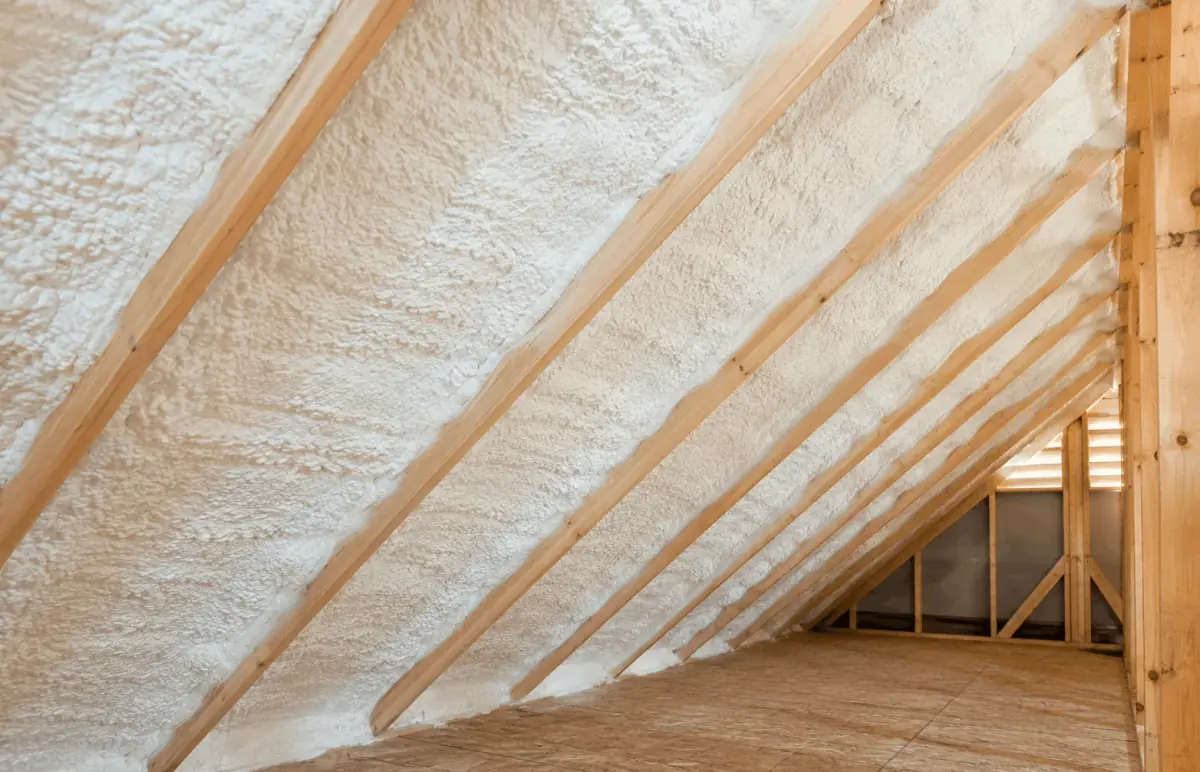
Temperature is only half of what makes a house here uncomfortable. The other half is moisture, and moisture rides along with air. Every gap that lets outside air in brings the humidity with it, which is why a home can sit right at its thermostat setting and still feel damp. Foam seals as it insulates, so that path closes, and closed-cell adds a moisture barrier on top of it. Your AC then spends less of its capacity wringing out air that had no business getting inside. One caution, and we raise it before we spray rather than after: tightening a house changes the way it breathes, so ventilation and any combustion appliances need to be thought through at the same time.
What Foam Does That Other Materials Cannot
Two jobs, one pass
Foam expands into the gaps that batts and loose fill simply lie across, so the leak closes as the insulation goes on.
Holds moisture back
Closed-cell resists the damp that works on coastal homes here nearly all year.
R-6.0 to R-7.0 per inch
Real performance in shallow framing: rooflines, rim joists, cathedral ceilings.
Stiffens what it grips
Cured closed-cell adds rigidity to walls and roof decks as a side effect of doing its main job.
Open-Cell, Closed-Cell, and How We Pick
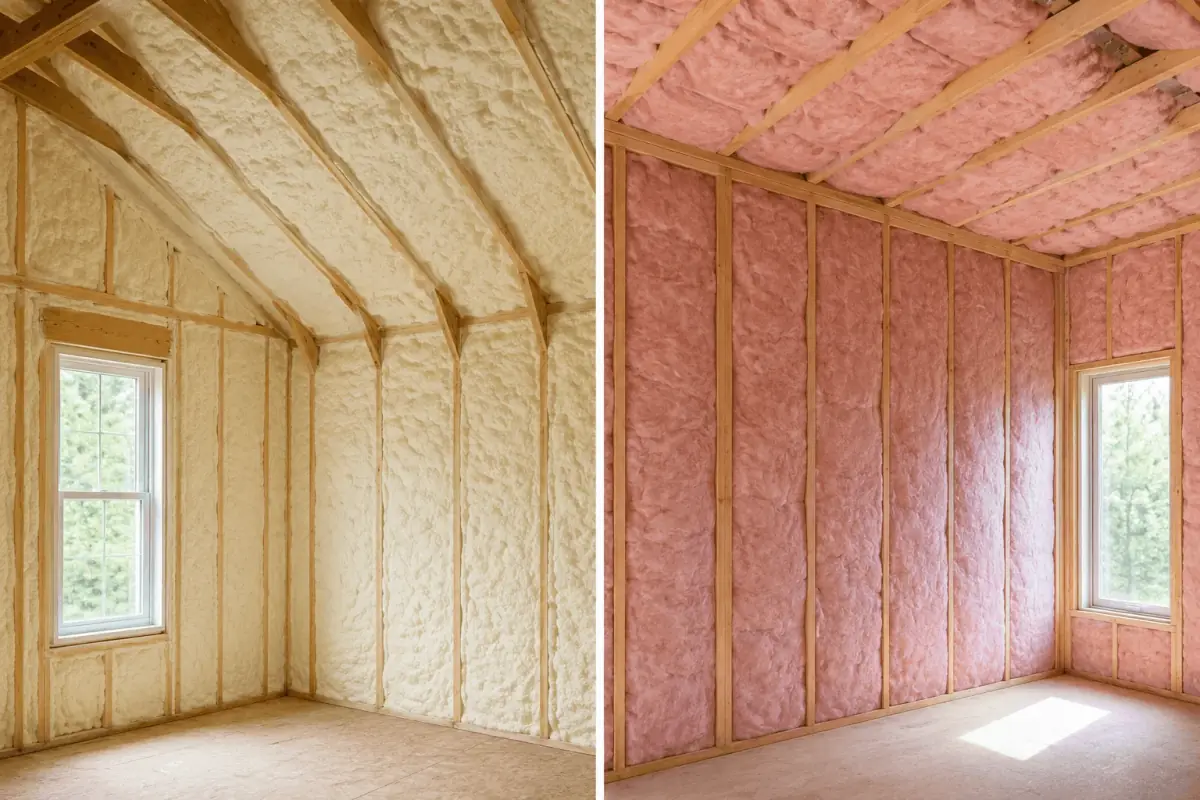
Open-cell is lighter and softer, seals air well, and costs less, which makes it a sensible choice for interior walls and attic rooflines. Closed-cell is dense, carries the higher R-value per inch at R-6.0 to R-7.0, and resists moisture, so it goes in crawlspaces, at rim joists, and in homes close to the water. Most houses end up with a mix. Where the line falls depends on what each area is exposed to and what the framing gives us to work with, which is genuinely hard to judge over the phone. Whichever we recommend, you will hear which foam, how many inches, in which areas, and the reason for each, before there is a price on it.
When Foam Is Worth the Extra Cost
Foam is the most expensive material we install, so it ought to be answering a specific question. These are the situations where it usually earns the difference:
- A house that feels clammy even when the thermostat says it should not
- Musty air or standing humidity in the crawlspace or attic
- Vaulted or cathedral ceilings with no room for the depth batts would need
- A coastal home fighting moisture through most of the year
Foam is not a cure-all, and it is fair to hear that from the people selling it. It will not fix ducts that leak, a system that is undersized, or water getting in through the roof or the grade outside. There are also plenty of homes where a straightforward blown-in top-up and some sealing get you most of the result for a fraction of the price. When that is the case, we will say so.
Prep, Spray, Cure
The prep takes longer than the spraying does. We mask what needs protecting, cover surfaces, and pull out any old insulation in the area being foamed, because foam has to bond to a clean substrate. Then open- or closed-cell goes on in passes at the specified thickness and expands and sets within seconds. Foam gives off heat and vapor while it cures, so we typically recommend the household be out for about 24 hours while that finishes and the space ventilates. Plan for that day. It is the one part of a foam job that asks something of you.

The Walkthrough
We go through the attic, the crawlspace, and whichever rooms are giving you trouble, and work out whether foam is really the answer.
A Foam Plan
Which foam, how many inches, in which areas, priced in writing before you decide anything.
Prep and Application
Masking, removal where it's needed, then foam sprayed to the thickness on the estimate.
Cure and Come Home
Roughly a day out while it cures and airs out. What you come back to is a continuous seal with no seams in it.
Why Foam Quotes Vary So Much
Two foam prices for the same square footage can look nothing alike. The reasons are usually on this list:
- Open-cell vs. closed-cell foam (closed-cell costs more but does more)
- Square footage, and the thickness needed to reach the R-value
- Which area is being sprayed: roofline, walls, crawlspace, rim joists
- Prep, masking, and whether old insulation has to come out first
- How tight and awkward the space is to work in
The only route to a real number is looking at the space. Ask us for a written estimate. If you want to weigh foam against the cheaper materials first, our guide to insulation costs in Florida sets them next to each other.

Homes We Spray Around the Region
Our foam rigs run through the Florida Panhandle, South Alabama, and South Georgia. A few of the cities we cover:
Worth Weighing Against Foam
Attic Insulation
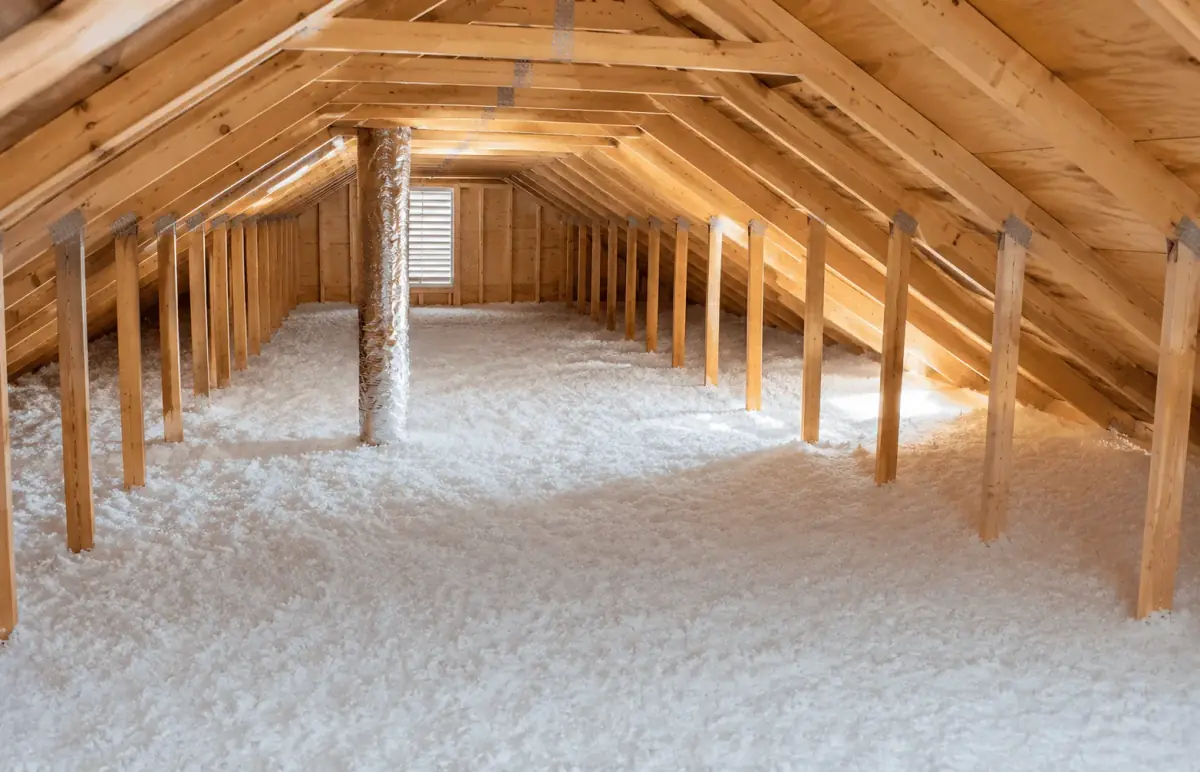
For a lot of hot houses, the honest answer is depth on the attic floor rather than foam on the roofline.
Learn more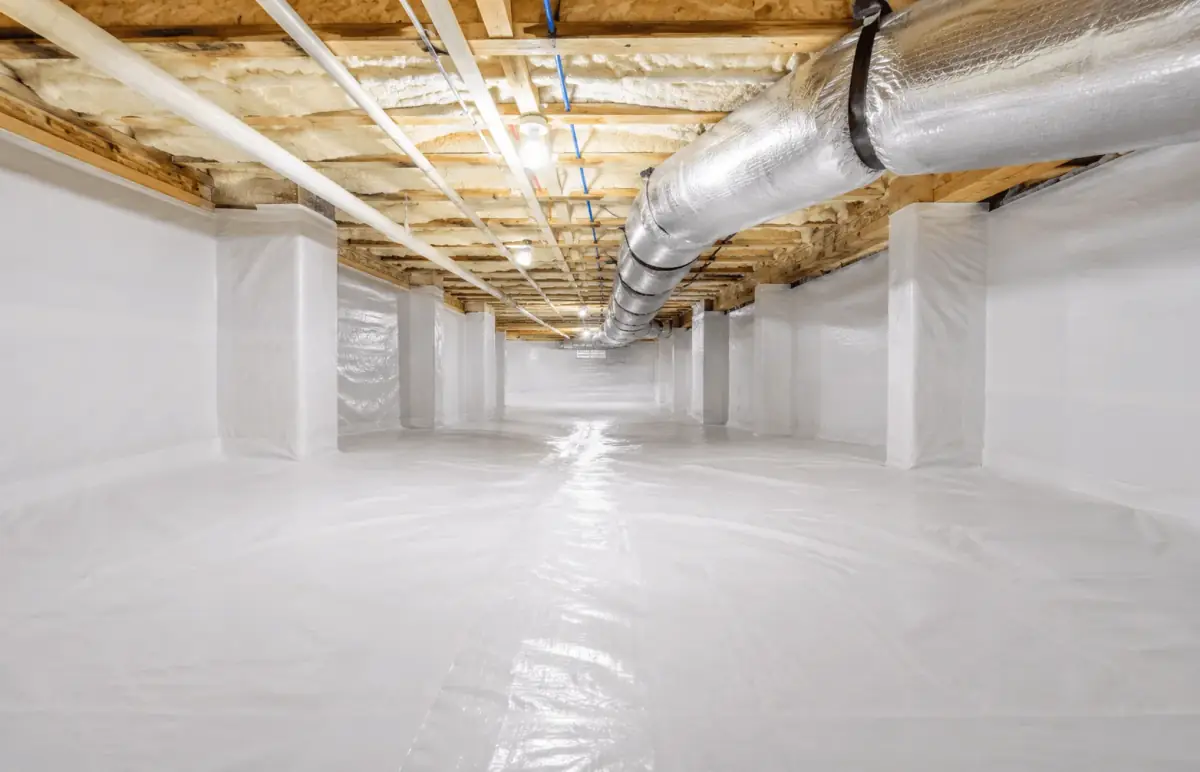
Crawlspace Insulation
When damp air is coming up from underneath the house, this is often where foam pays for itself first.
Learn more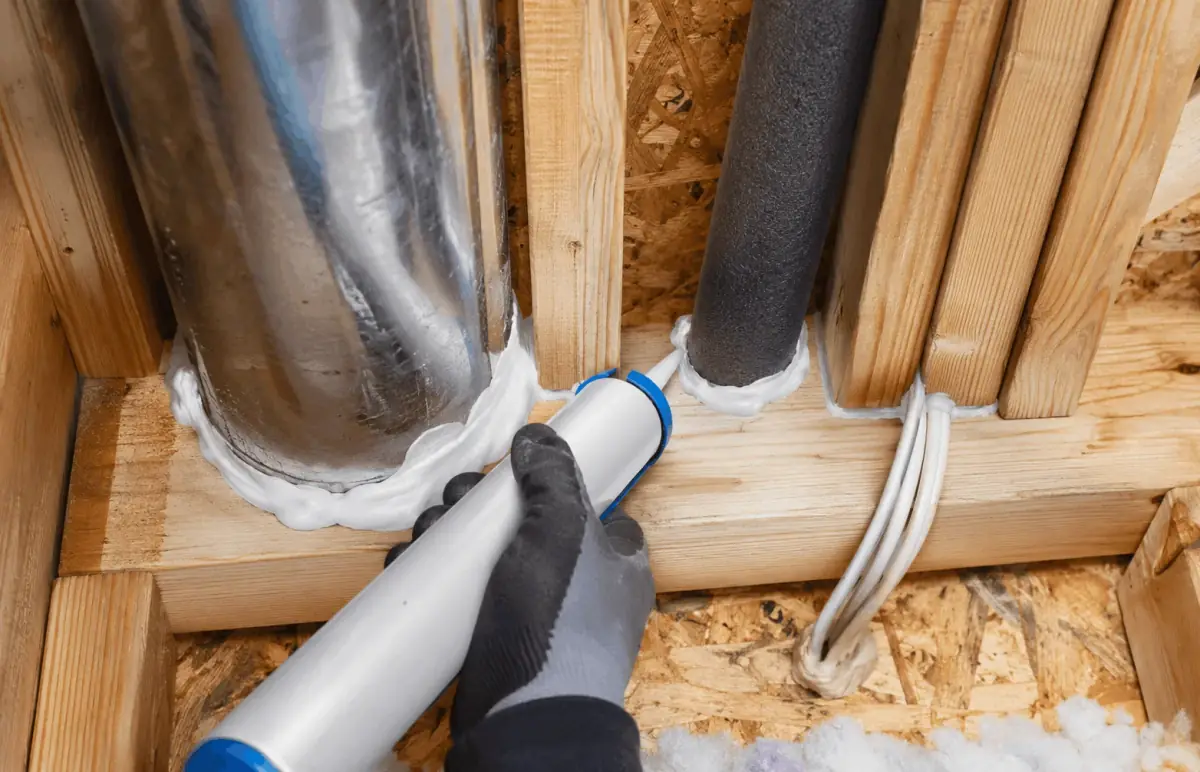
Air Sealing
If stopping air movement is the whole goal, sealing on its own may get you there for far less.
Learn moreSpray Foam Insulation FAQs
Is spray foam insulation worth it in Florida?
In some homes, clearly. Because it seals air and insulates in the same pass, foam goes after the humidity and leakage behind most of the discomfort here. It also costs meaningfully more than fiberglass or blown-in. If moisture and air movement are your problem, that premium tends to be worth it. If the attic is simply thin, it usually is not.
What's the difference between open-cell and closed-cell foam?
Open-cell is lighter and softer, seals air well, and costs less, which suits interior walls and attic rooflines. Closed-cell is denser, carries a higher R-value per inch, and resists moisture, so it goes in crawlspaces, at rim joists, and in homes near the water. Most houses end up with a mix, decided area by area.
Is spray foam safe once it's installed?
Once it is fully cured, foam is inert and stays put. The care is during application and curing, which is why we install it properly and typically recommend the household stay out for about 24 hours while it sets and the space ventilates.
Are there homes where you would not recommend spray foam?
Yes, and we will say so. If the real issue is leaking ductwork, an AC at the end of its life, or water finding a way in, foam will not solve it. Plenty of attics only need blown-in brought up to depth and the gaps sealed, which costs far less. We would rather point that out than sell you the biggest job on the truck.
You See the Foam Plan Before Anyone Sprays
The estimate names the foam, the thickness, and the areas, itemized and in writing. Foam is permanent once it is on the framing, so we would rather over-explain it now than have you surprised later.
Talk Through Spray Foam for Your House
Send the form or call. We will come see the space, tell you whether foam is the right tool for it, and price it in writing either way.
- A straight answer on whether foam suits your home
- Open-cell and closed-cell, in Panhandle homes since 1994
- Licensed, insured & BBB A+ accredited
- Family owned, and we work on houses only
Ask Us About Foam
Tell us about the space and we will follow up to set a time.
Wondering If Foam Is Overkill for Your Home?
Fair question, and the answer depends on the house. Three decades of Panhandle homes says it is worth asking before you spend the money.