
Fiberglass Insulation in Northwest Florida
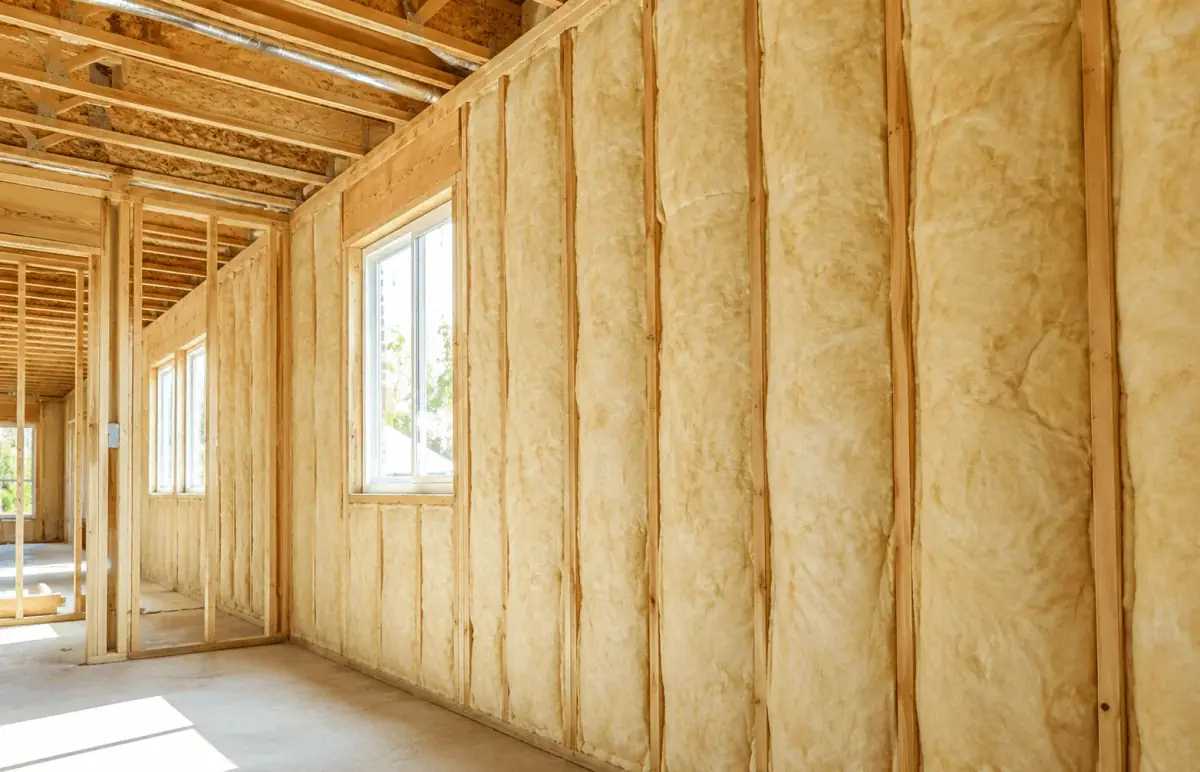
Batts cut to fit open studs and joists. The practical pick when the framing is exposed and the budget is real.
What Fiberglass Insulation Actually Is
Fiberglass insulation is spun glass fiber, pressed into blankets sized to drop between framing members. You have probably seen it: pink or yellow, sold as pre-cut batts or long rolls, sometimes with a paper or foil facing on one side. It slows heat moving through a wall or floor by trapping still air inside the fiber. That is the whole mechanism, and it has worked in American houses for generations. The fibers themselves are spun from molten glass, often with recycled content, drawn out into the fine strands that hold the still air doing the insulating.
It does not air-seal. That distinction matters more than most homeowners expect. A batt slows heat, but air still moves freely through and around it, which is why we treat sealing as a separate job rather than something the insulation handles on its own.
Where It Goes in a House
Fiberglass belongs anywhere the framing is open and on regular spacing: exterior walls during a build or addition, interior walls where you want quiet, floors over an open crawlspace, knee walls, and garage conversions. It also shows up as batts laid across an attic floor. The install itself is unglamorous. We measure the cavity, cut the batt to that exact size, tuck it around wiring and plumbing instead of crushing it flat, and friction-fit it so it stays put without sagging.
When Fiberglass Is the Wrong Call
Plenty of times, honestly. Batts need open framing, so a finished wall rules them out unless you are gutting it anyway. If the cavity is full of odd angles, blocking, or a nest of wires, a batt cannot fill it cleanly and blown-in material will do better. If the real goal is humidity control, fiberglass is the wrong tool, since it slows heat but lets moist air pass right through. And no insulation of any kind fixes a problem it did not cause: leaking ducts, an AC that is failing, or an attic with no ventilation will keep costing you money no matter how good the batts are. We would rather tell you that up front than sell you insulation that cannot deliver.
The Case for Batts
Costs less per square foot
Dollar for dollar, batts are the least expensive way to fill an open wall or floor cavity.
It will not burn
Glass fiber is non-combustible, which is one reason it stays a standard in wall assemblies.
Sized for your framing
Batts come pre-cut for the stud and joist spacing most homes were built with.
Predictable once it is in right
Snug, full-depth, no gaps: install it that way and it holds its rated R-value.
Fiberglass, Glass Fiber, and Fiber Insulation Terms
Homeowners search for this material in a handful of ways, and the wording can be confusing. Some type glass fiber insulation, others write fibre glass insulation or glass fibre insulation with the British spelling, and plenty just call it fiber insulation. You may even see it listed as fiber glass wool insulation. Those are all the same spun-glass product this page is about: residential fiberglass insulation, made from fine strands of glass pressed into batts and rolls. The name changes, the material does not.
If you are trying to square the terminology with the product, our guide to glass fiber versus fiberglass insulation explains why the terms overlap and when the difference actually matters for your home.
Reading the Numbers on the Bag
Fiberglass runs about R-3.0 to R-4.3 per inch, depending on the density of the batt. That per-inch figure is only half the story, though, because what actually matters is the total R-value once the cavity is full. A wall cavity limits you to the depth of the framing, so the batt you choose is largely decided by the wall you already have. Attics are different: there is room to build depth, and the U.S. Department of Energy puts the target for our climate zone at roughly R-30 to R-49. Here is the part the numbers hide: a batt rated R-19 that has been compressed to squeeze past a pipe, or left with a two-inch gap at the top of the stud bay, is not delivering R-19. It is delivering whatever the sloppiest part of the install allows. We would rather spend the extra time cutting than hand you a spec sheet the wall cannot honor.
When Batts Come Up in the Conversation
Fiberglass is usually the answer to a specific situation rather than a general complaint. These are the ones we hear most:
- You are framing an addition, finishing a garage, or opening walls in a remodel
- One room runs hot or cold and its walls back onto an unconditioned space
- The floor over your crawlspace has never had anything under it
- Old batts are hanging loose, stained, matted down, or missing in patches
If none of those describe your house but the power bill still bothers you, the answer probably lives somewhere else, in the attic, the ductwork, or the air leaks nobody has looked for. Ask us to come look before you spend money on the wrong fix.
What the Work Looks Like
Batt work is mostly measuring and cutting, and the difference between a good install and a poor one is entirely in that patience. Before anything goes in, we seal the penetrations a batt cannot cover: top plates, wire holes, plumbing chases, gaps around boxes. Then each batt gets cut to its cavity, split around wiring rather than mashed behind it, and set full depth so it touches every side. Where a facing or vapor retarder is called for, it gets oriented correctly for a hot, humid climate, which is not the same orientation you would use up north. Prep on your end is simple: clear access to the work area and let us know where pets will be.

We measure the cavities
Depth, spacing, and what is running through them decides which batt is right and whether a batt is right at all.
You get the spec in writing
Material, R-value, square footage, and price, itemized, so you can compare it against anyone else's quote.
Seal first, then insulate
The gaps get closed before the batts go in, because a batt over an open hole is just an expensive filter.
We walk it with you
Before we pack up, you see the finished cavities and we answer whatever is still on your mind.
What Moves the Number
We do not quote fiberglass over the phone, because the things that drive the price are the things you cannot describe without seeing them. Here is what we are actually looking at:
- How much area there is, and how many separate cavities that breaks into
- Which batt the framing depth allows (R-13, R-19, R-30, and so on)
- Whether we can reach the framing, or something has to come off first
- Faced or unfaced batts, which depends on the assembly, not on preference
- How much sealing the cavities need before a single batt goes in
For a number tied to your actual house, ask us for a written estimate, no obligation attached. If you are still at the reading stage, our guide to insulation costs in Florida covers the general landscape.

Fiberglass Insulation Across Our Service Area
We install batts for homeowners across the Florida Panhandle, South Alabama, and South Georgia. A few of the towns we work in:
Often Done Alongside It
Blown-In Insulation
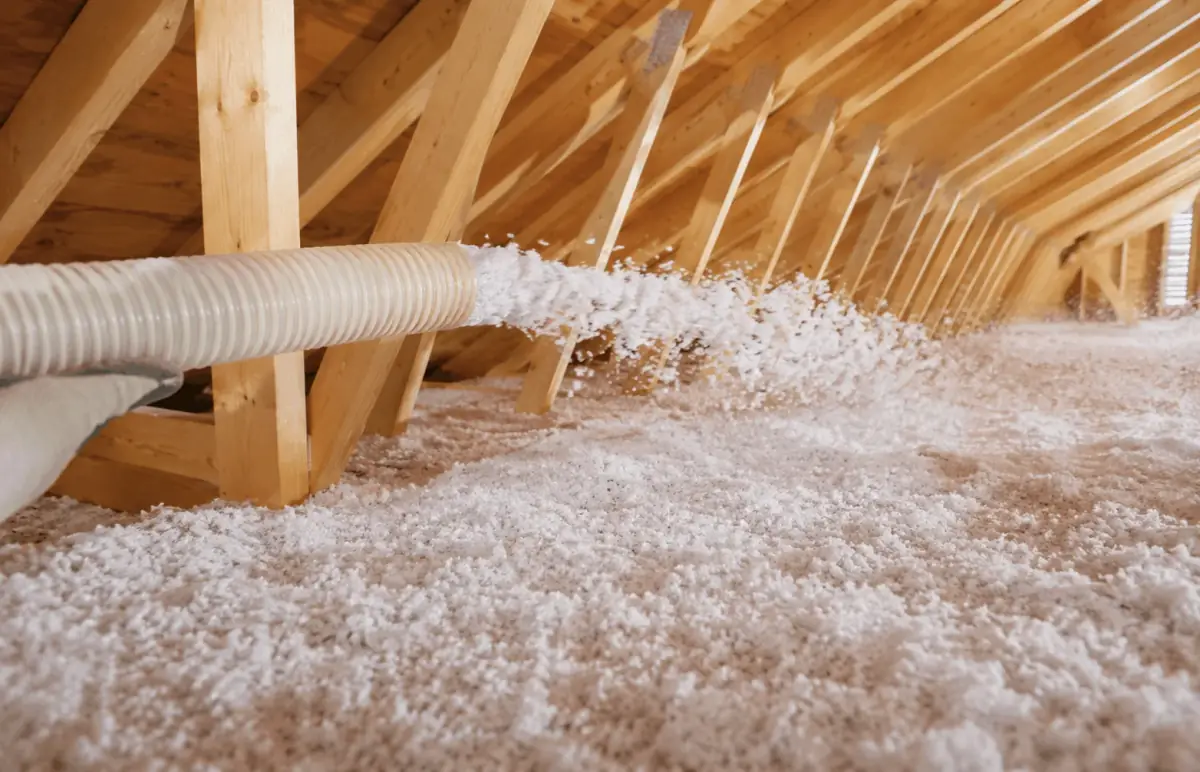
Where a batt cannot fit, loose fill can. It flows around wiring, framing, and awkward corners.
Learn more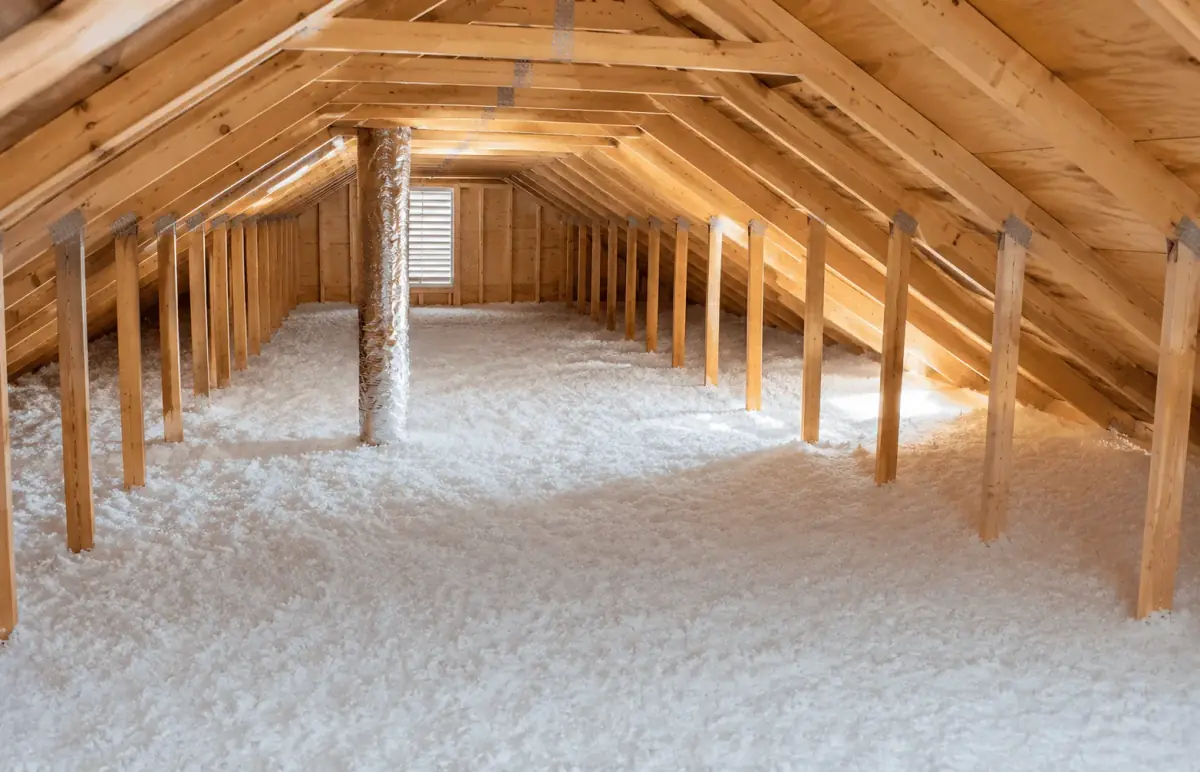
Attic Insulation
If your ceilings feel warm to the touch in August, this is usually where the money should go first.
Learn more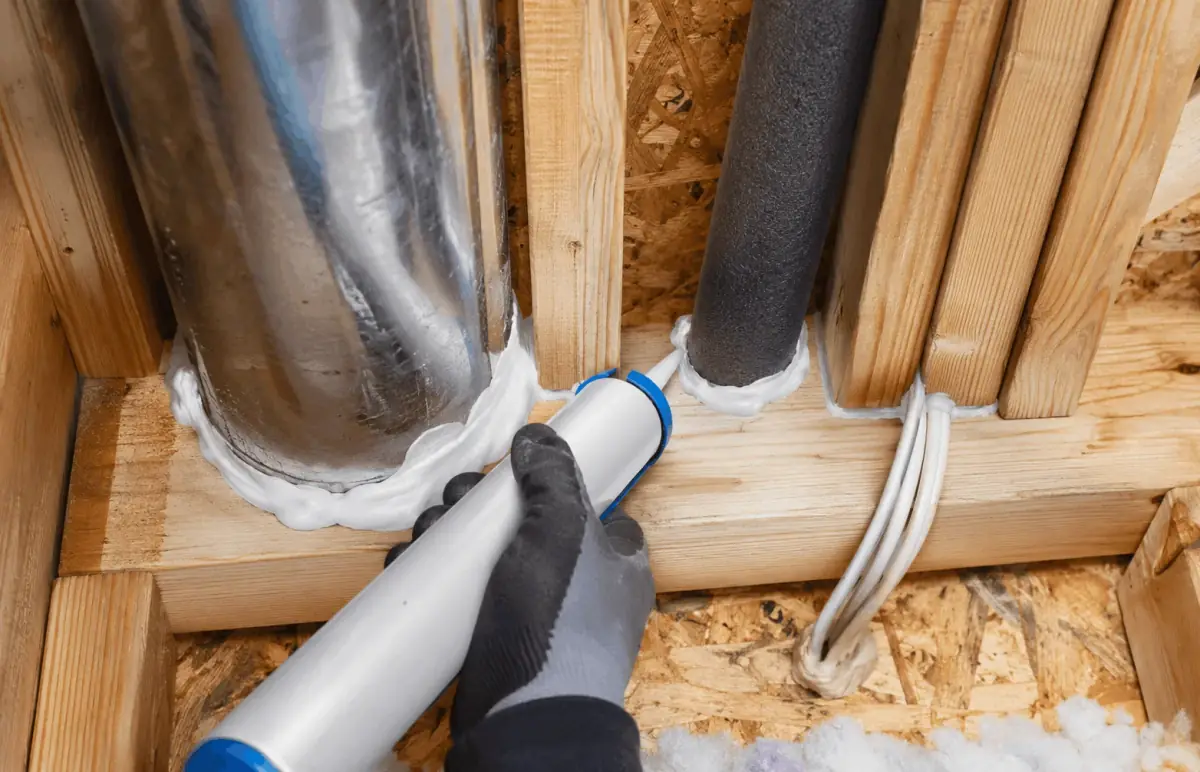
Air Sealing
Batts slow heat but let air through. Sealing handles the half of the problem insulation cannot.
Learn moreQuestions We Get About Batts
Is fiberglass or spray foam better for my home?
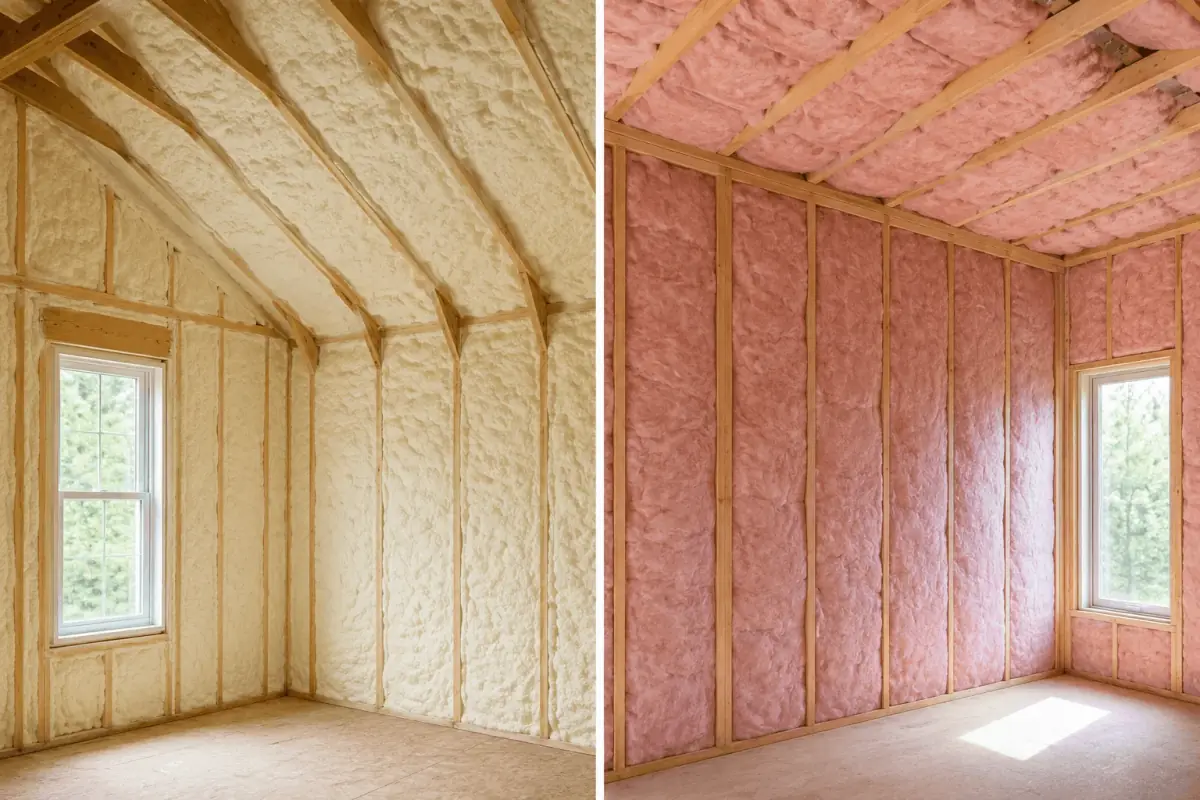
Neither one wins everywhere, which is why the honest answer is that it depends on the assembly. Fiberglass is the sensible choice for open walls and floors on standard framing, where the job is simply to slow heat and the budget has a ceiling. Spray foam costs considerably more, but it insulates and air-seals in one pass, which earns its keep in an attic roofline or a damp crawlspace. Plenty of homes end up with both, and we will tell you which areas actually justify the foam rather than quoting it everywhere.
Does fiberglass insulation lose effectiveness over time?
The glass fiber itself does not wear out. Fiberglass holds its R-value for decades provided it stays dry and nobody crushes it. What fails is the situation around it: a slow roof leak soaks a batt and it never fully recovers, boxes stacked on attic batts flatten them permanently, or rodents tunnel through and leave voids. When we inspect existing batts, we are looking for exactly those things, and we will tell you plainly whether they need replacing or are still doing their job.
Can fiberglass be installed in an existing finished wall?
Not without opening the wall, no. A batt has to be placed by hand into a cavity someone can reach, so a finished, drywalled wall rules it out. That is not a dead end, though. Blown-in material can be packed into a closed cavity through small holes drilled between the studs, which are then patched. If insulating an existing wall is the goal, that is the method we would be discussing with you.
Do the old batts have to come out before new ones go in?
Sometimes, and it comes down to what the old material has been through. Batts that are simply thin but clean and dry can often stay in place with new insulation added over them. Batts that are wet, moldy, rodent-fouled, or crumbling need to come out, both because they will not perform and because you do not want that sitting above your ceiling. We make that call after looking, not before, and we will show you what we found rather than just adding it to the bill.
Everything in Writing, Before We Start
Your quote lists the material, the R-value we are targeting, the areas covered, and the price. You can hold it next to another contractor's and see exactly where they differ. That is the point.
Have Us Price the Batt Work
Tell us which rooms or cavities you are thinking about and we will come look at the framing before quoting anything. Send the form or call, and we will follow up to set a time that suits you.
- A written spec you can compare against any other quote
- Family owned since 1994, working only on homes
- Licensed, insured, and BBB A+ accredited
- If batts are not the answer, we will say so
Request a Fiberglass Estimate
A few details about your home is all we need to start.
Let's Look at the Framing First
We have been insulating homes in this part of Florida since 1994. Ask us to come out, and you will get a straight read on whether fiberglass is the right material for the job.