
Glass Fiber vs Fiberglass Insulation
Glass fiber, fibre glass, glass wool, fiberglass. If the spelling has you wondering whether these are different products, here is the plain-English answer, plus where this insulation actually fits in a home.
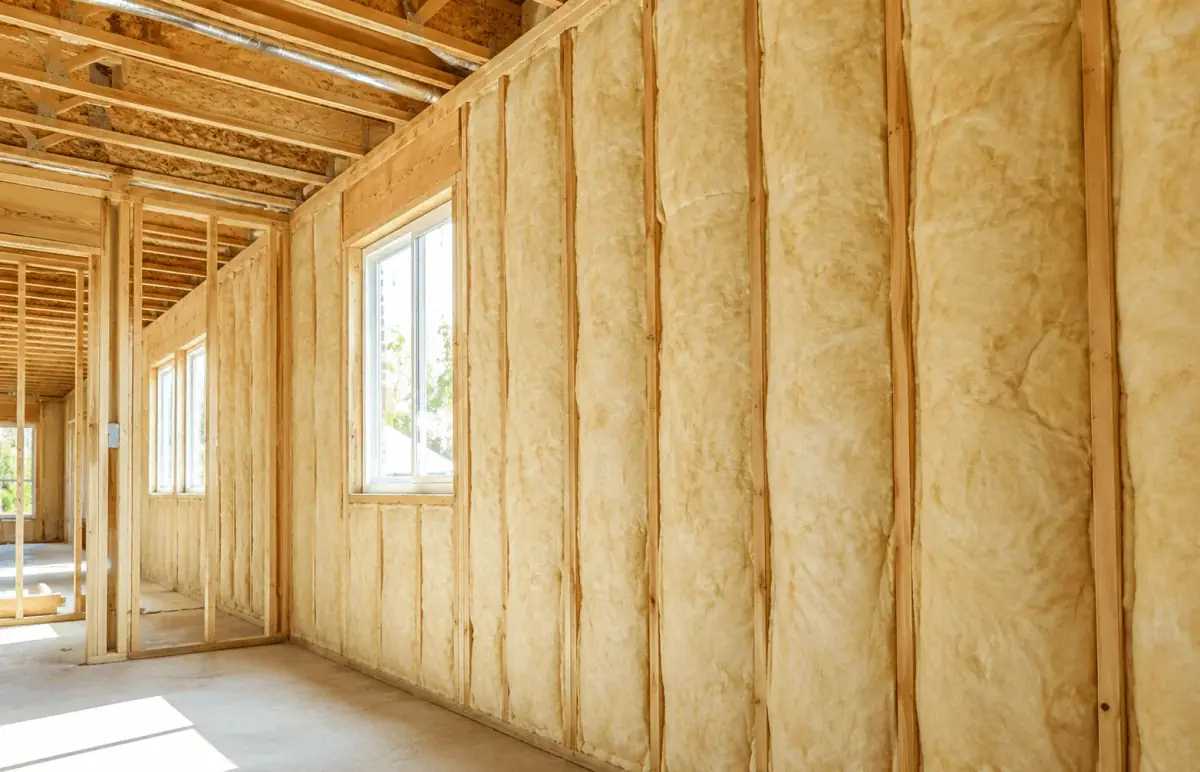
The short version is that these are not competing products. Glass fiber insulation and fiberglass are two names for the same material, made from fine strands of spun glass. The spelling and wording shift depending on habit and country, but the material in the wall is identical. So if you are wondering, is glass fiber the same as fiberglass, the short answer is yes. This page clears up the terminology, then covers where fiberglass genuinely helps in a home.
Quick answer: Glass fiber, fiber glass, fibre glass, fiber insulation, and glass wool all generally describe the same fiberglass-style insulation, spun glass fibers formed into batts or blown-in fill. The wording differences are harmless. Fibre is simply the British spelling, and glass wool is an older name for the fluffy form. Fiberglass fits best in open walls, floors, and standard framing cavities, in either batt or blown-in form.
Glass Fiber Insulation: Same Material, Different Words
Homeowners search this in a dozen ways, and every one of them lands on the same product. Fiberglass is the common American term. Fibre glass, with the r-e spelling, is how it is written across much of the rest of the English-speaking world. Glass wool is an older name that describes the soft, wool-like texture of the loose or batt form. Fiber insulation and glass fiber insulation are just looser phrasings people reach for when they cannot recall the exact word. None of these signal a different material or a different level of quality. They are spelling and phrasing variants of spun-glass insulation.
| Term You Might Search | What It Really Means |
|---|---|
| Fiberglass insulation | The common American spelling |
| Glass fiber / fiber glass insulation | Same material, worded differently |
| Fibre glass insulation / glass fibre insulation | British spelling, identical product |
| Glass wool insulation | Older name for the fluffy form of fiberglass |
| Fiber insulation / fiber glass wool insulation | Loose phrasing that still means fiberglass |
If a supplier, an old spec sheet, or a search result uses one of these terms, you can read it as fiberglass. The label changes. The glass fibers do not.
Where Fiberglass Genuinely Helps
Naming aside, the useful question is where this material belongs. Fiberglass insulation does its best work in open, regularly framed spaces. Exposed wall cavities during a build or remodel, floors above a crawlspace, and standard stud and joist bays on a normal spacing are all natural fits. In those spots it goes in cleanly, insulates well, and keeps costs sensible. Fiberglass is not the answer to every problem, though. Where the real issue is moisture, air leakage, or tight and irregular spaces, a different material can outperform it. That is the sort of call worth making after someone has looked at the actual space, not from a product name alone.
Batts vs Blown-In Fiberglass
Fiberglass comes in two forms, and both are the same glass fiber. Batts are pre-cut blankets sized to slide between studs and joists, so they are quick and tidy in open, evenly spaced framing like walls and floors. Blown-in fiberglass is loose material a machine distributes, which suits attics and any cavity where obstructions or uneven framing would leave a cut batt full of gaps. Neither is universally better. Batts win where the framing is open and regular. Blown-in wins where coverage around obstacles matters more. The right choice follows the space, which is why a look beats a guess.
Not sure whether batts or blown-in fiberglass suits your walls, floors, or attic? Request a free written estimate or call (850) 639-9272, Monday through Friday, 7:30 AM to 3:30 PM. We work with homeowners across Northwest Florida, South Alabama, and South Georgia.
Glass Fiber and Fiberglass FAQs
Are glass fiber and fiberglass insulation the same thing?
In almost every case, yes. Glass fiber, fiber glass, fibre glass, fiber insulation, and glass wool all point to the same spun-glass insulation that most homeowners simply call fiberglass. The differences are spelling and phrasing, not material. Fibre with an r-e is just the British spelling, and glass wool is the older name for the fluffy version. If you searched any of those terms, you were looking at fiberglass insulation.
Should I choose fiberglass batts or blown-in fiberglass?
It depends on the space. Batts are pre-cut lengths that fit neatly between studs and joists, so they shine in open walls and floors where the framing is exposed and evenly spaced. Blown-in fiberglass is loose fill that a machine distributes, which is the better fit for attics and for filling around obstructions or irregular cavities where a cut batt would leave gaps. Both are the same glass fiber material. The question is which form fits the space, and that is what an estimate sorts out.
Where does fiberglass insulation work best in a home?
Fiberglass earns its keep in open, standard framing. Think exposed wall cavities during a build or remodel, floors over a crawlspace, and typical stud and joist bays on a regular spacing. In those spots batts go in cleanly and cost-effectively, and blown-in fiberglass covers attics well. Where moisture, air sealing, or tight irregular spaces are the real problem, another material may fit better, which is why we look before recommending. Polar Insulation gives free written estimates. Call (850) 639-9272.
What is fiberglass insulation made of?
Fiberglass insulation is made from fine glass fibers, spun from molten glass that often includes recycled glass content, which trap pockets of still air. That trapped air is what slows heat moving through the material. It is sold in two forms, as pre-cut batts and as blown-in loose fill, and both are the same glass fiber. Which form fits your walls, floors, or attic is what an on-site look sorts out.
How does fiberglass insulation work?
Fiberglass works by trapping still air in a mat of fine glass fibers, so heat has a harder time conducting through it. The fibers themselves do little on their own; it is the pockets of motionless air between them that slow heat transfer. Because of that, performance depends on installing it to the right thickness without gaps or compression, since a squashed or patchy batt loses the still air it relies on. Our fiberglass insulation page covers where it fits best.
Get a Real Number for Your Home
Everything above is background. Which fiberglass form suits your home comes from seeing the space. Send the form or call, and we'll set a time to come look and put it in writing, with no obligation to go ahead.
- A straight answer on batts vs blown-in for your walls, floors, or attic
- Three decades of Northwest Florida homes, family owned since 1994
- Licensed, insured & BBB A+ accredited
- If fiberglass isn't the right fit, we'll say so
Request Your Free Estimate
Tell us about the house and we'll reach out to schedule.