
Attic Insulation Removal Before a Remodel
Attic insulation removal before a remodel is mostly a scheduling job. The insulation has to be out of the way while other trades work, and back in once they are finished, without anyone paying for the same space twice.
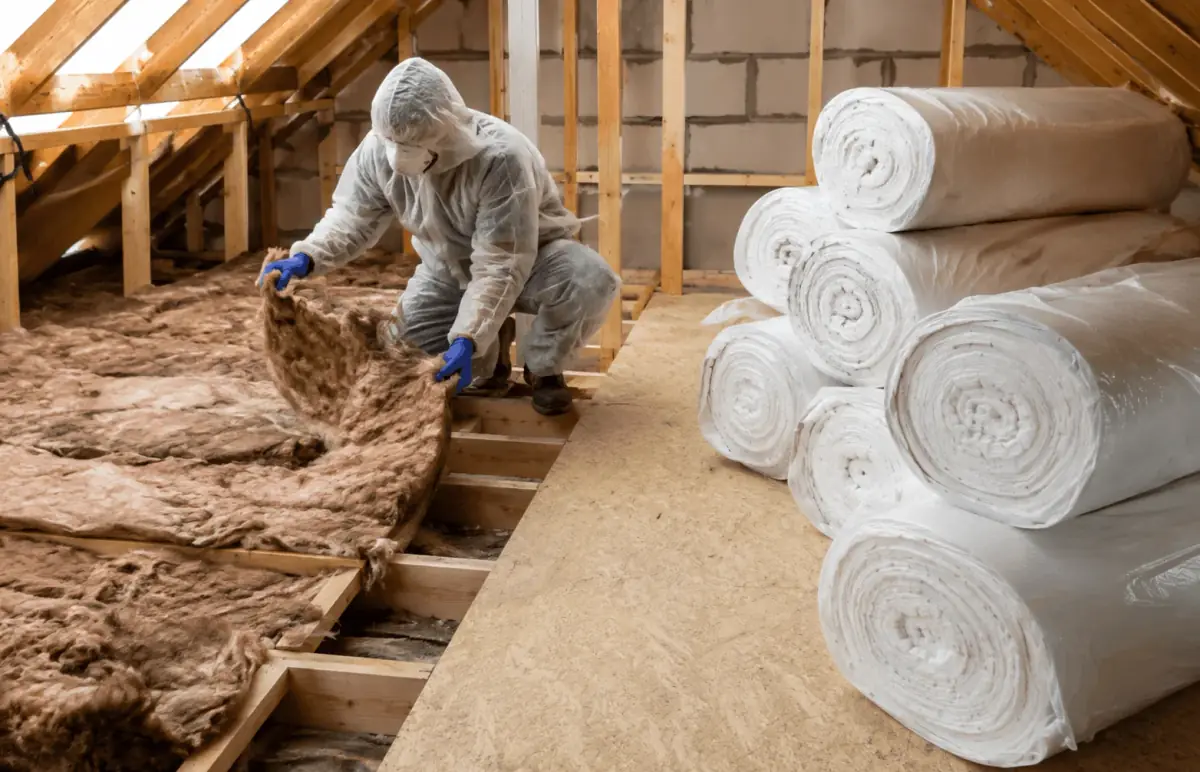
A kitchen moving to the other side of the house, a new bathroom, a ceiling being raised, rewiring, new ductwork. Work like that can need the attic floor clear for a while. This guide covers how to plan that so the attic ends up better than it started, not dug up and half put back.
Quick answer: Decide which parts of the attic the other trades actually need, record what is up there now, settle whether removal is partial or full, and agree the order of work before anything comes out. New insulation goes in last, after everyone who needs the attic has finished and the work above the ceiling has been signed off.
When a remodel needs the attic floor clear
Insulation gets in the way of anything that runs through the ceiling or across the attic floor. Electricians running new circuits or moving light fixtures, HVAC contractors replacing ducts or moving registers, plumbers venting a new bathroom, and framers changing a ceiling all need to see and reach the joists. Working through a deep layer of loose fill slows them down and scatters the material.
That does not always mean the whole attic. If the work is confined to one end of the house, it may only need that section cleared. The first planning step is a plain list of where each trade needs to go.
What to note before anything is moved
Before any work starts in the attic, write down:
- Which rooms and ceilings the remodel touches, and which trades will be working above them
- What kind of insulation is up there now, and roughly how deep it is, as far as you can see from the hatch
- Any staining, odor, droppings or past roof leaks you know about
- Where the attic access is, and whether it will still be usable during construction
- The remodel schedule, including when the ceiling is due to be closed up
If you are not sure what the material is, our guide on how to identify attic insulation covers what can and cannot be told from the hatch. If anything up there looks like loose, pebbly vermiculite, leave it alone. The EPA advises leaving suspected vermiculite undisturbed and having it handled by a trained and accredited asbestos professional, and that has to be settled before any other trade works in the attic.
Partial or full attic insulation removal before a remodel
There are three ways to handle it, and the right one depends on the condition of the existing material as much as on the remodel.
- Clear only the work area. When the insulation is dry and clean and the work is in one part of the house. The rest stays where it is, and the cleared section is filled back to depth afterward.
- Clear the whole floor. When the work spreads across most of the attic, or when the existing material was due to come out anyway because it is wet, fouled or smoke damaged.
- Move rather than remove. Sometimes material in a small area can be pushed aside and replaced. That only works for clean, dry insulation and a limited footprint.
Our guide on when to remove attic insulation covers how to tell whether the existing layer is worth keeping at all.
Keeping the order of trades straight
The expensive mistake in a remodel is new insulation going in before the work above the ceiling is finished. Somebody then has to dig it back out to run one more wire. The order looks like this:
- Old insulation comes out of the areas the other trades need.
- The ceiling plane is air sealed while the deck is bare and every penetration is visible.
- Roofing, framing, electrical, plumbing and HVAC work in the attic gets done.
- Any inspection the remodel requires for work above the ceiling is completed, and any new penetrations the trades made are sealed.
- New insulation goes in to the agreed depth.
Removal on its own makes sense when a gut renovation needs the insulation gone before other trades can work. If a roofer, electrician or pest company also has work to do, we figure out who goes first so nothing gets done twice.
Protecting the access route
Old insulation leaves the attic one way or another, and on a remodel the route matters more than usual because other crews are using the same hallways. Agree where the access will be, keep that path clear, and move anything stored in the attic out beforehand. Plan on pets being somewhere else while removal is underway. If the remodel blocks the existing hatch, say so early, because the removal has to happen while that access still works.
Separating the scope between trades
Gaps and overlaps both cost money. Each contractor's scope should make clear who does what in the attic. A few questions to settle with your general contractor or each trade:
- Who removes the insulation, and who disposes of it?
- Who seals the new penetrations that electrical, plumbing and HVAC work will create?
- Who is responsible for the attic floor between removal and reinsulating?
- Who installs the new insulation, and to what depth?
What our removal estimate puts in writing
We identify the material, how far the damage runs, and whether all of it needs to go or only part of the attic. We come look, then put the volume, the disposal, and the containment in writing. If new insulation follows, you get it in writing with the material and the R-value named. Removal priced inside an insulation replacement project costs less than removal on its own.
Who gives the go-ahead before reinsulating
Someone has to say the attic is ready. That is the general contractor, or the homeowner when there is no general contractor. The go-ahead should come only after every trade that works above the ceiling has finished, any required inspection has passed, and any roof leak found along the way has been fixed.
A hypothetical example
A homeowner is moving a kitchen to the back of the house. The electrician needs new circuits across half of the attic, and the HVAC contractor is moving two registers. The insulation is dry, clean blown-in, so only the back half is cleared, and the ceiling in that half is sealed while the deck is bare. The electrician and HVAC contractor finish their work, the electrical work is inspected, the new penetrations they made are sealed, and the cleared half is blown back to depth to match the untouched half.
Handoff checklist
- Every trade working above the ceiling has finished
- Required inspections for that work are complete
- Roof leaks found during the remodel are fixed
- New penetrations through the ceiling are sealed
- The attic access is usable and the path to it is clear
- The agreed insulation depth is written down
If your remodel needs the attic cleared, our insulation removal service covers removal on its own, and insulation replacement covers removal with new insulation afterward. Get a free written estimate.
Attic Insulation Removal Before a Remodel: FAQs
Do I have to remove all the attic insulation for a remodel?
Not always. If the existing insulation is dry and clean and the work is limited to one part of the house, only that section may need clearing. It gets filled back to depth once the work above it is done.
Should the insulation come out before or after the electrician?
Before. Electricians, plumbers and HVAC contractors need to see and reach the joists. New insulation goes in after their work is finished and any required inspection is complete.
Can I keep the old insulation and put it back?
Material that is pushed aside in a small, clean area can sometimes go back. Insulation that has been vacuumed out goes to disposal, and anything wet, fouled or smoke damaged should not go back in.
What if I find vermiculite during the remodel?
Stop work in the attic and leave it undisturbed. The EPA advises having suspected vermiculite handled by a trained and accredited asbestos professional.
Not Sure Which Way to Go?
That's a reasonable place to land, and it's the question we answer for free. Send the form or call, and we'll come look at the framing and the attic before recommending anything. No obligation.
- A straight answer on which material fits, including when it's the cheap one
- We install both materials, so we have no reason to push either
- Licensed, insured & BBB A+ accredited
- Family owned in Wewahitchka, working residential homes since 1994
Request Your Free Estimate
Give us the basics on your home and we'll get in touch.