
Why Is Cellulose Insulation Dust in My House?
If you are finding gray, papery dust on shelves or near ceiling fixtures, here is what usually causes it, why the attic air behind it matters more than the dust itself, and when it is worth having someone take a look.
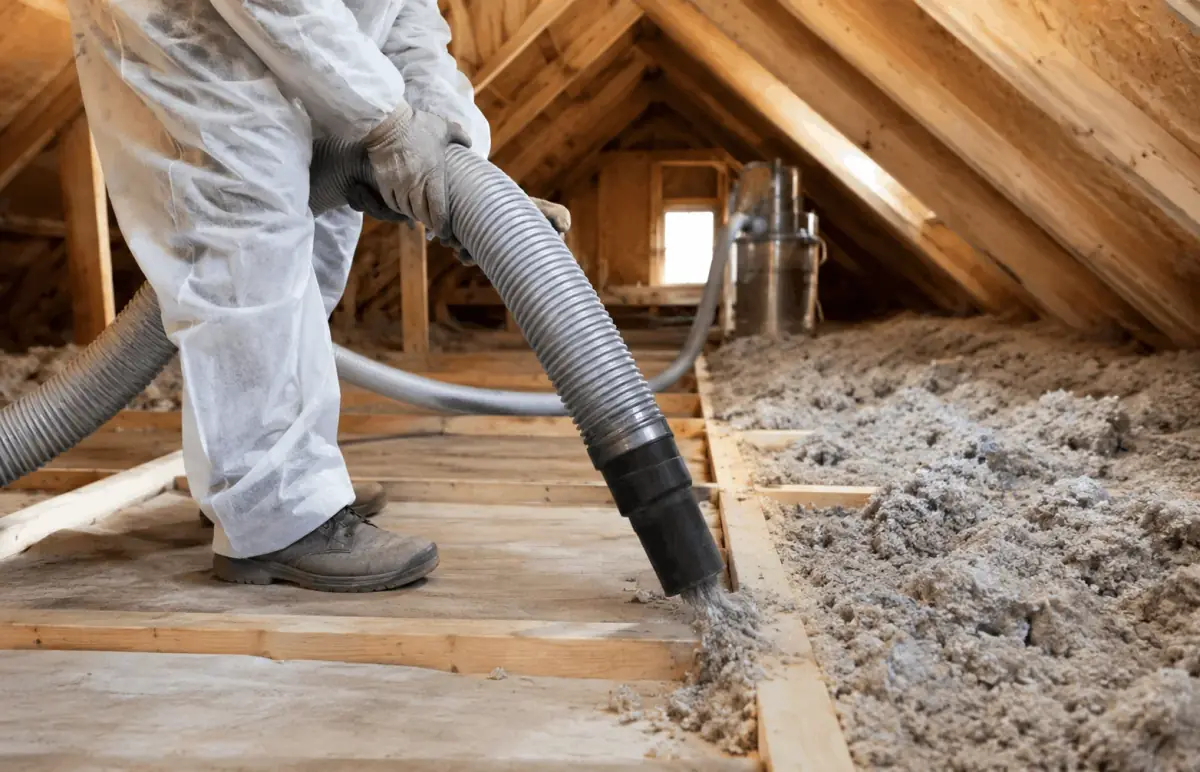
Fine gray dust that keeps coming back near ceiling fixtures or in closets often traces back to the attic. Cellulose insulation dust in the house usually starts up there, because cellulose is a dry, loose material, and when there is a path for attic air to reach your rooms, some of it comes along for the ride. The dust is the part you see. The gap or leak carrying it is the part worth finding.
Quick answer: Cellulose dust shows up indoors when loose-fill attic material has been disturbed, when there are gaps around lights, top plates, chases, or the attic hatch letting attic air into the house, when the material is old or degraded, or when an HVAC return is drawing from the attic. A quick appearance after work in the attic is usually just settling. Dust that keeps returning points to an air leak, and that is worth having a professional inspect.
What Dry Cellulose Insulation Actually Is
Dry cellulose insulation is made mostly from recycled paper fiber, treated for fire resistance, then blown in as a loose fill that settles across the attic floor in a soft blanket. As a cellulose insulation material it insulates well and fills around framing and wiring that batts leave gaps around. Because it is dry and light, though, it behaves a bit like any fine, papery material. Handle it, stir up the air around it, or give it a route into the living space, and a little of it travels. That is normal for the product and not a sign of a defect on its own.
The Usual Reasons It Turns Up Indoors
Cellulose insulation dust in the house almost always comes down to one of a few causes. Working out which one you are dealing with is what points to the fix.
| Likely Cause | What You Might Notice | What It Points To |
|---|---|---|
| Recently disturbed or newly installed material | A short burst of dust after attic work, then it fades | Normal settling, usually nothing to fix |
| Gaps around fixtures, top plates, and chases | Dust near recessed lights, vents, or the attic hatch | Attic air leaking into rooms, air sealing helps |
| Old or degraded attic conditions | Musty smell, staining, dust that keeps returning | Inspection to check for moisture or wear |
| HVAC return pulling from the attic | More dust when the system runs | Ductwork or return drawing attic air, needs a look |
These overlap in practice. A house can have both an air leak and an aging attic at once, which is one reason a guess from the ground rarely settles it.
Nuisance, or a Reason to Call?
A thin film that appears once after someone has been up in the attic, then does not return, is usually just settling and reads as a nuisance more than a problem. Wiping it down is often the end of it.
What deserves a closer look is dust that keeps coming back, arrives suddenly and heavy, collects in the same spots near ceiling fixtures, or shows up alongside a musty smell or staining. Those patterns suggest attic air is moving into your living space, or that the material up there has aged or taken on moisture. If anyone in the home has asthma or allergies, err toward having it checked sooner rather than later.
How Air Sealing and an Inspection Help
The reason we lead with the air path instead of the dust is that closing the leak is what actually stops the return trips. Air sealing the top plates, recessed lights, plumbing chases, and the attic hatch cuts off the route attic air uses to carry fine particles down into the rooms below.
An inspection tells you the rest. It confirms whether the cellulose is simply old, whether moisture or rodents have compromised it, and whether the fix is sealing, targeted insulation removal, or fresh cellulose insulation once the underlying issue is handled. Please skip the DIY remediation in the attic. Disturbing loose-fill without knowing the cause tends to put more of it in the air, and it can hide the very leak that needs finding.
The dependable way to know why cellulose dust is showing up is to have someone inspect the attic and the air paths into your home. Request a free written estimate or call (850) 639-9272, Monday through Friday, 7:30 AM to 3:30 PM. We help homeowners across Northwest Florida, South Alabama, and South Georgia.
Cellulose Dust FAQs
Is cellulose insulation dust in the house dangerous?
For most people a little settled dust is a nuisance rather than a hazard, but that is not a diagnosis, and anyone with asthma or allergies can be bothered by fine particles in the air. What matters more is why it is showing up indoors at all. Dust that keeps returning usually means air from the attic is finding its way into your rooms, and that path is worth closing. If the appearance is sudden, heavy, or paired with a musty smell, have someone inspect it rather than guessing.
How does attic cellulose end up as dust in my living space?
Loose-fill cellulose sits on the attic floor, and dry attics are dusty places to begin with. When there are gaps around recessed lights, top plates, plumbing chases, or the attic hatch, warm attic air carries fine particles down through them into the rooms below. HVAC returns or ductwork that draws from the attic can pull material in the same direction. The dust is the visible clue. The real issue is usually the air leak moving it.
Should I clean up cellulose dust myself or call a professional?
Wiping a surface is one thing. Going up into the attic to disturb, dig through, or remove loose-fill is another, and it is easy to make the problem worse or send more of it into the house. We would rather look first. A professional can find where the air is getting in, tell you whether the attic material is simply old or actually compromised, and lay out air sealing, inspection, or removal if it is needed. Polar Insulation gives free written estimates. Call (850) 639-9272.
Is cellulose insulation itchy?
Cellulose is not itchy the way fiberglass can be, because it is a soft, paper-based fiber rather than spun glass. It is made from recycled paper treated with borate, so it does not carry the fine glass filaments that make fiberglass prickly against skin. Even so, any attic material should be disturbed only with a dust mask and proper protection, since dry attics are dusty places. Blowing it in is a job for professional equipment and a crew, not a bare-handed weekend project.
Is cellulose insulation a health hazard?
For insulation that is intact and undisturbed, settled cellulose sits quietly in the attic and is not a hazard in normal living. The borate treatment it carries is a common, well-established fire and pest treatment used across the industry. The time to be cautious is when the material is disturbed, old, or moisture-damaged and dust is getting into the living space. That is the point when a professional inspection is the right call, rather than digging through it yourself.
Get a Real Number for Your Home
Everything above is background. Finding out why dust is coming into your home means having someone check the attic and the air paths. Send the form or call, and we'll set a time to come look and put it in writing, with no obligation to go ahead.
- A real inspection of the attic and the air paths into your rooms
- Three decades of Northwest Florida attics, family owned since 1994
- Licensed, insured & BBB A+ accredited
- If the attic doesn't need work, we'll say so
Request Your Free Estimate
Tell us about the house and we'll reach out to schedule.